For industrial applications involving the transport of bulk materials like sawdust and husk powders, efficient and reliable pneumatic conveying systems are essential. This article provides a detailed overview of the operation process and working principles of such equipment, highlighting the technology's capabilities and benefits for material handling in various industries.
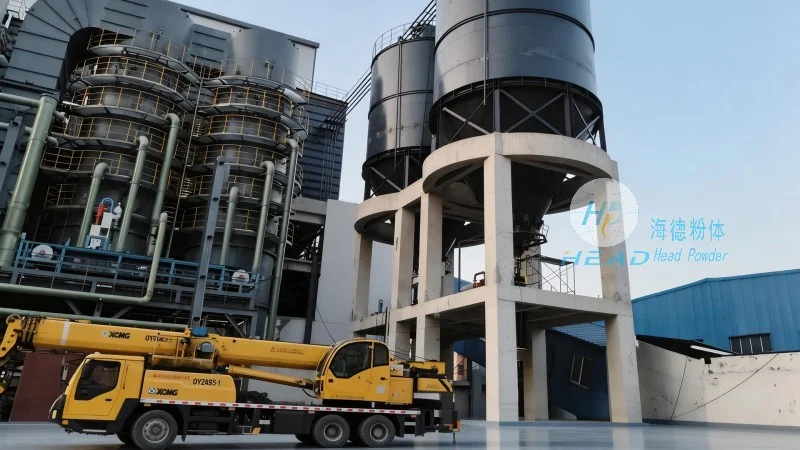
Introduction to Pneumatic Conveying Systems
Pneumatic conveying systems utilize air or gas to transport dry bulk materials through a pipeline network. These systems are widely used in industries such as woodworking, agriculture, and food processing due to their ability to handle fine powders like sawdust and husk without the need for mechanical components that might cause contamination or material degradation. The equipment from Shandong HeadPowder Engineering Co., Ltd., commonly known as HeadPowder, offers advanced solutions tailored to the specific challenges of transporting these materials.
Equipment Overview and Key Components
The pneumatic conveying equipment for sawdust and husk powders typically consists of several key components, including a material hopper, a feeder, a conveying pipeline, a separation unit, and a dust collection system. The material hopper is designed to store the bulk material and feed it into the system at a controlled rate. The feeder, often a rotary valve or a screw feeder, ensures a consistent flow of material into the pipeline. The conveying pipeline is usually made of stainless steel or other corrosion-resistant materials to prevent material buildup and ensure durability. The separation unit, such as a cyclone or a bag filter, separates the conveyed material from the air stream, while the dust collection system captures any residual particles to maintain air quality and comply with environmental regulations.
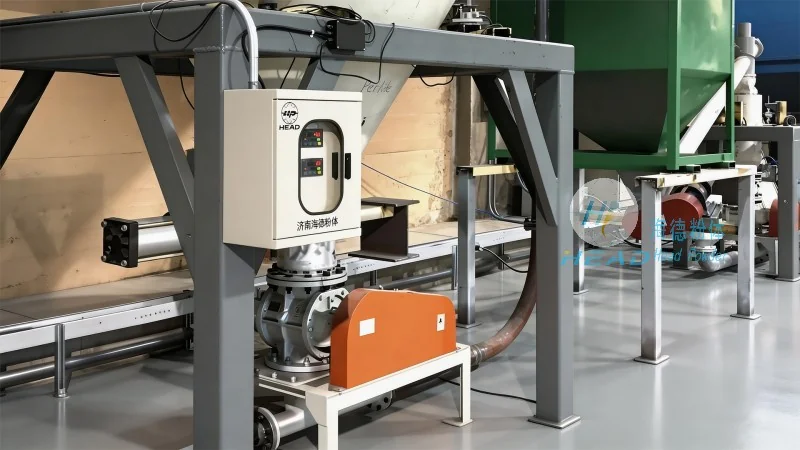
Working Principle of the Pneumatic Conveying Process
The working principle of the sawdust and husk powder pneumatic conveying system involves the creation of a low-pressure or high-pressure air flow within the pipeline. The material is introduced into the pipeline at the inlet, where it is entrained by the moving air. The air flow carries the material particles through the pipeline to the discharge point. The pressure differential between the inlet and the outlet drives the material along the pipeline. The system can operate in either positive pressure or negative pressure modes, depending on the application requirements. Positive pressure systems use compressed air to push the material through the pipeline, while negative pressure systems use vacuum to pull the material from the source.
Operation Process: Step-by-Step Guide
The operation process of the pneumatic conveying equipment involves several sequential steps to ensure efficient material transport. First, the material is loaded into the hopper from the source. The feeder then regulates the flow rate of the material into the pipeline. The air compressor or vacuum pump generates the necessary air pressure or vacuum to initiate the conveying process. The material is then entrained by the air stream and transported through the pipeline to the destination point. At the discharge end, the material is separated from the air using a separation unit, and the air is filtered to remove any residual particles before being released or recirculated. The entire process is controlled by a programmable logic controller (PLC) that monitors and adjusts the system parameters to maintain optimal performance.
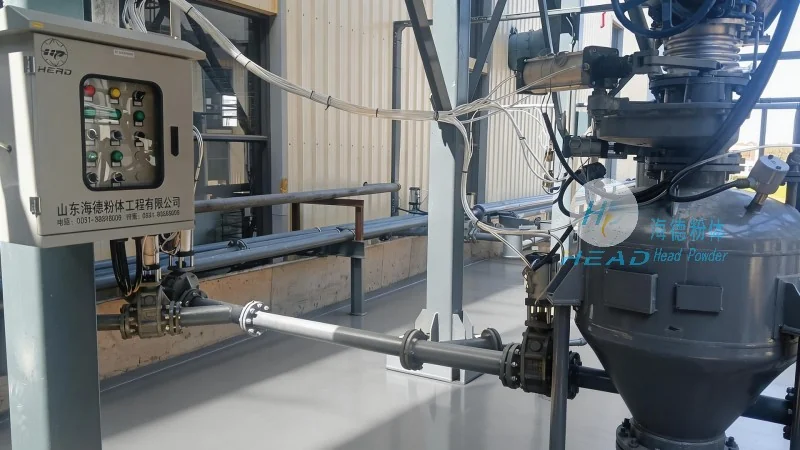
Technical Advantages and Benefits
The pneumatic conveying equipment from Shandong HeadPowder Engineering Co., Ltd. offers several technical advantages that make it suitable for handling sawdust and husk powders. One of the key benefits is the ability to transport materials without mechanical contact, which prevents contamination and reduces the risk of material degradation. The system is also highly flexible, allowing for changes in the conveying route or capacity without major modifications. Additionally, the equipment is designed for low maintenance, with components that are easy to access and replace, reducing downtime and operational costs. The use of corrosion-resistant materials ensures long-term durability, even in harsh environments where sawdust and husk powders may contain moisture or acidic components.
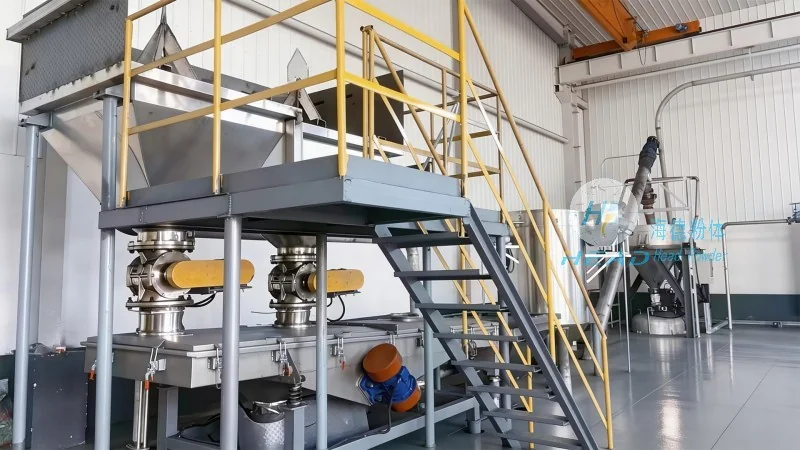
Application Scenarios and Industry Use Cases
The sawdust and husk powder pneumatic conveying systems are widely used in various industrial applications. In the woodworking industry, these systems are used to transport sawdust from sawmills to storage silos or to processing facilities. In the agricultural sector, they are employed to move husk powders from processing plants to storage or to be used as animal feed. The food processing industry also utilizes these systems to transport fine powders like husk from processing lines to packaging or further processing stages. The equipment's ability to handle fine powders without segregation or degradation makes it ideal for applications where material quality is critical.
Conclusion and Company Information
In conclusion, the pneumatic conveying equipment for sawdust and husk powders is a highly efficient and reliable solution for bulk material transport. The operation process involves a series of coordinated steps, from material loading to discharge and air filtration, ensuring optimal performance and minimal downtime. The technology offers numerous advantages, including low contamination risk, flexibility, and low maintenance requirements. Shandong HeadPowder Engineering Co., Ltd., based in Shandong, China, provides advanced pneumatic conveying solutions tailored to the specific needs of industries handling sawdust and husk powders. With its commitment to quality and innovation, HeadPowder continues to be a leading provider of material handling equipment for various industrial applications.




