

Operation Process and Working Principle of Lithium Hydroxide Powder Pneumatic Conveying Line
Shandong HeadPowder Engineering Co., Ltd., commonly known as headpowder, is a professional manufacturer specializing in the design, production, and installation of pneumatic conveying systems. With a focus on high-efficiency and reliable solutions, the company has established itself as a leading provider in the field of powder handling technology. HeadPowder's expertise lies in delivering customized pneumatic conveying lines tailored to the specific needs of clients, ensuring optimal performance and safety in the transportation of various powders, including lithium hydroxide.
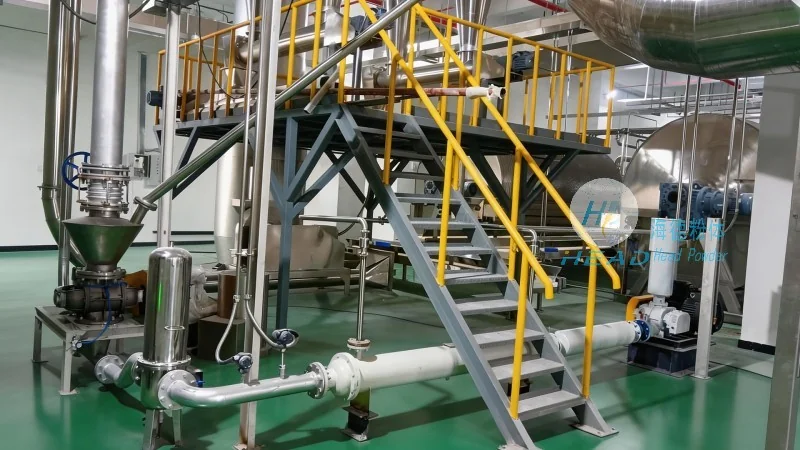
Overview of Lithium Hydroxide Powder Pneumatic Conveying Line
A lithium hydroxide powder pneumatic conveying line is a system designed to transport lithium hydroxide powder from a storage hopper or silo to a processing unit or storage location using air as the conveying medium. This method offers several advantages over traditional mechanical conveying systems, such as reduced equipment wear, lower maintenance costs, and the ability to handle powders that are difficult to transport through conventional means. The system typically consists of several key components, including a hopper, a rotary airlock valve, a pneumatic conveying pipeline, and a receiver or discharge point.
Key Components and Their Functions
Each component in the lithium hydroxide powder pneumatic conveying line plays a crucial role in the overall operation. The storage hopper serves as the initial container for the lithium hydroxide powder, providing a consistent feed source. The rotary airlock valve, located at the bottom of the hopper, controls the flow of powder into the conveying line, preventing backflow and ensuring a steady supply. The pneumatic conveying pipeline is the main pathway for transporting the powder, which can be either positive or negative pressure systems, depending on the specific application requirements. The pipeline is usually made of materials resistant to corrosion and wear, such as stainless steel or special alloys, to accommodate the chemical properties of lithium hydroxide. The receiver or discharge point is where the powder is deposited, either into a processing vessel or another storage container.
Working Principle of the Pneumatic Conveying Process
The operation of the lithium hydroxide powder pneumatic conveying line involves a series of steps that ensure efficient and safe powder transport. The process begins with the powder being released from the hopper into the rotary airlock valve. As the valve rotates, it allows a controlled amount of powder to enter the conveying pipeline. Simultaneously, a fan or blower generates a flow of air within the pipeline, creating either positive or negative pressure depending on the system design. In a positive pressure system, air is forced through the pipeline, carrying the powder particles along with it. In a negative pressure system, the pipeline is kept under a slight vacuum, drawing the powder and air mixture into the line. The air velocity within the pipeline is carefully controlled to ensure that the powder particles are entrained and transported without causing excessive wear or degradation. The conveying line may include additional components such as expansion chambers or cyclones to separate the powder from the air and improve the efficiency of the process.
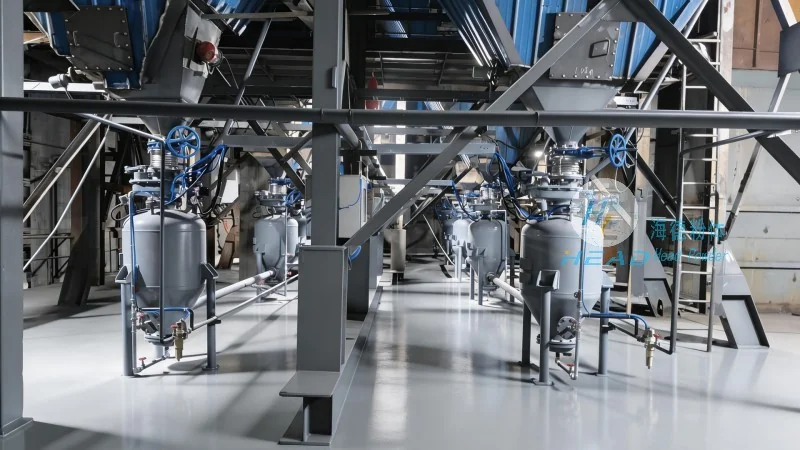
Operation Process: Step-by-Step Guide
The operation of the lithium hydroxide powder pneumatic conveying line follows a systematic process to ensure smooth and continuous operation. The steps are as follows:
- Preparation and Loading: The storage hopper is filled with lithium hydroxide powder, and the system is checked for any blockages or leaks. The rotary airlock valve is adjusted to the appropriate speed to control the feed rate.
- Start-up: The fan or blower is activated, establishing the required air flow within the pipeline. The system is then started by opening the rotary airlock valve, allowing the powder to enter the conveying line.
- Conveying: As the powder is entrained by the air flow, it travels through the pipeline to the receiver or discharge point. The air velocity is maintained at a level that ensures efficient transport without causing excessive pressure drops or particle degradation.
- Discharge: At the receiver, the powder is deposited into the processing unit or storage container. The air flow continues to carry any remaining powder particles, which are then separated and collected in a cyclone or filter.
- Shutdown: When the conveying operation is complete, the system is shut down by first stopping the air flow and then closing the rotary airlock valve to prevent backflow and ensure safety.
Advantages of Lithium Hydroxide Powder Pneumatic Conveying Line
Implementing a lithium hydroxide powder pneumatic conveying line offers several benefits for industrial applications. Firstly, it provides a dust-free and hygienic method of powder transport, which is particularly important for lithium hydroxide, a material used in battery production. The system reduces the risk of dust exposure, improving workplace safety and compliance with environmental regulations. Secondly, the pneumatic conveying process minimizes product contamination, as the powder is not in direct contact with mechanical components for extended periods. This is crucial for maintaining the purity of lithium hydroxide, which is sensitive to impurities. Thirdly, the system offers high efficiency and reliability, with minimal downtime due to its simple and robust design. The use of air as the conveying medium allows for flexible system layouts, enabling the integration of multiple conveying lines or the transportation of powder over long distances. Additionally, the system is easy to maintain, with components that are readily accessible and replaceable, reducing overall operational costs.
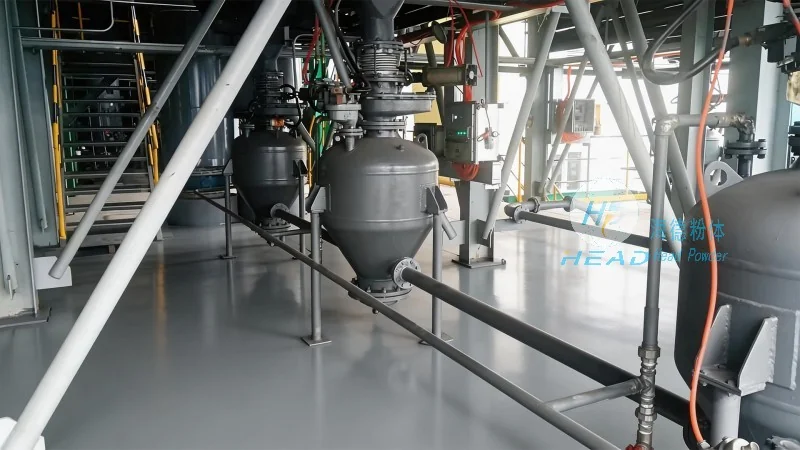
Applications and Industries
Lithium hydroxide powder pneumatic conveying lines are widely used in various industries that require the handling of lithium hydroxide, particularly in the battery manufacturing sector. The system is commonly employed in the production of lithium-ion batteries, where lithium hydroxide is used as a raw material for the production of lithium carbonate or lithium hydroxide itself. Other applications include the chemical industry, where lithium hydroxide is used as a precursor for other lithium compounds, and the pharmaceutical industry, where it is used in the formulation of certain medications. The versatility of the pneumatic conveying line allows it to be adapted to different production scales, from small-scale laboratory applications to large-scale industrial plants.
Maintenance and Safety Considerations
To ensure the long-term performance and safety of the lithium hydroxide powder pneumatic conveying line, regular maintenance and adherence to safety protocols are essential. Maintenance activities include inspecting the rotary airlock valve for wear and tear, cleaning the pipeline to remove any accumulated powder, and checking the fan or blower for proper operation. Regular lubrication of moving parts and replacement of worn components are also necessary to prevent system failures. Safety considerations are paramount due to the nature of lithium hydroxide, which is a caustic material. The system must be equipped with appropriate safety features, such as explosion-proof fans, dust collection systems, and emergency shut-off valves. Personnel operating the system must be trained in proper safety procedures, including the use of personal protective equipment (PPE) and emergency response protocols. Regular safety inspections and compliance with local regulations are also required to ensure the system operates within safe parameters.
Conclusion
The lithium hydroxide powder pneumatic conveying line is a sophisticated and efficient system designed to handle the transportation of lithium hydroxide powder with precision and reliability. By leveraging the principles of pneumatic conveying, the system offers numerous advantages over traditional mechanical methods, including improved safety, reduced contamination, and enhanced operational efficiency. Shandong HeadPowder Engineering Co., Ltd. specializes in the design and implementation of such systems, providing customized solutions tailored to the specific needs of clients. With a commitment to quality and innovation, HeadPowder continues to lead the industry in the development of advanced powder handling technologies, ensuring that clients can achieve optimal performance and safety in their lithium hydroxide processing operations.