

Operation Process and Working Principle of Denitrization Fly Ash Powder Pneumatic Conveying Line
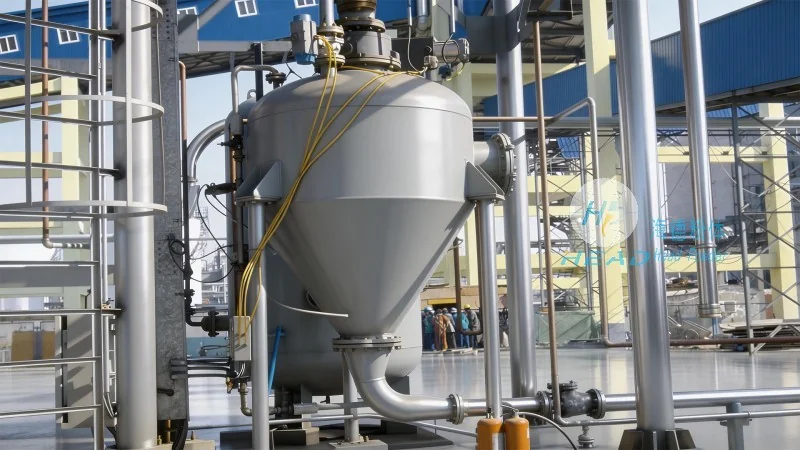
Denitrization fly ash, a byproduct of flue gas desulfurization and denitrification processes in thermal power plants, requires efficient and reliable handling for reuse or disposal. The pneumatic conveying line designed for this application by Shandong HeadPowder Engineering Co., Ltd. (headpowder) is engineered to address the unique challenges of transporting fine, abrasive, and potentially hazardous ash particles. This system combines advanced material handling technology with robust engineering to ensure safe, efficient, and low-maintenance operation.
Company Overview
Shandong HeadPowder Engineering Co., Ltd., commonly known as headpowder, is a leading manufacturer specializing in industrial powder handling solutions. With a focus on innovation and customer-centric design, the company has developed a comprehensive range of pneumatic conveying systems tailored to the needs of power plants, cement factories, and other industrial facilities. The company’s headquarters is located in Shandong, China, where it maintains state-of-the-art research and development facilities to ensure the highest standards of product quality and performance.
System Components and Their Roles
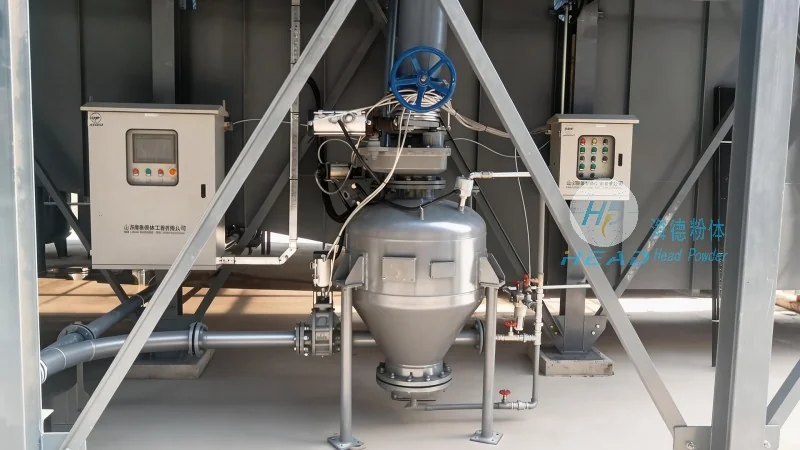
The denitrization fly ash pneumatic conveying line typically consists of several key components, each playing a critical role in the overall operation. The primary components include a hopper for ash storage, a rotary valve or feeder for controlled material discharge, a pneumatic conveying pipeline, a separation and filtration system, and a dust collection unit. The hopper is designed to accommodate large volumes of ash, with a sloped bottom to facilitate smooth material flow. The rotary valve acts as a gate, regulating the flow rate of ash into the conveying system to prevent overloading or clogging. The conveying pipeline, often made of corrosion-resistant materials such as stainless steel or PVC, transports the ash particles through a network of pipes using compressed air or vacuum. The separation system, usually a cyclone or bag filter, removes entrained dust from the air stream, ensuring compliance with environmental regulations and protecting downstream equipment.
Operation Process: Step-by-Step
The operation of the denitrization fly ash pneumatic conveying line follows a systematic process to ensure consistent and reliable performance. The process begins with the storage of ash in the hopper, where it is collected from the denitrification system. The rotary valve then opens to allow a controlled amount of ash to enter the conveying pipeline. Compressed air is introduced into the pipeline, creating a flow that propels the ash particles forward. As the ash travels through the pipeline, it is mixed with the air stream, and the velocity of the air is maintained at a level sufficient to keep the particles suspended without causing excessive wear on the pipeline or components. The conveying system is designed to handle varying ash compositions and flow rates, with adjustable parameters to optimize performance under different operating conditions. Upon reaching the destination, such as a storage silo or disposal site, the ash is deposited through a discharge valve. The air stream, now containing fine dust particles, is directed to the separation system, where it is filtered and the clean air is released back into the environment.
Working Principle: The Physics of Pneumatic Conveying
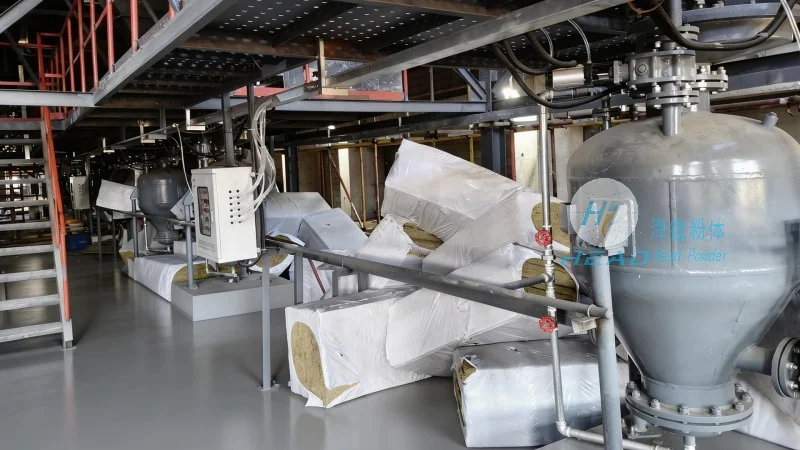
The working principle of the denitrization fly ash pneumatic conveying line is based on the fundamental physics of fluid dynamics and particle transport. In a pneumatic conveying system, the movement of solid particles is achieved by suspending them in a moving gas stream. The system can operate under either positive pressure (where air is forced through the pipeline) or negative pressure (where air is drawn out of the pipeline). For denitrization fly ash, positive pressure systems are commonly used due to their ability to handle abrasive materials and prevent dust emissions. The key parameters that determine the efficiency of the system include the air velocity, the particle size distribution, and the density of the ash. The air velocity must be high enough to keep the particles suspended but low enough to avoid excessive pressure drop and energy consumption. The particle size distribution affects the flow characteristics, as larger particles require higher air velocities to maintain suspension. The system is designed to balance these parameters to achieve optimal conveying efficiency while minimizing wear and energy costs.
Advantages and Technical Features
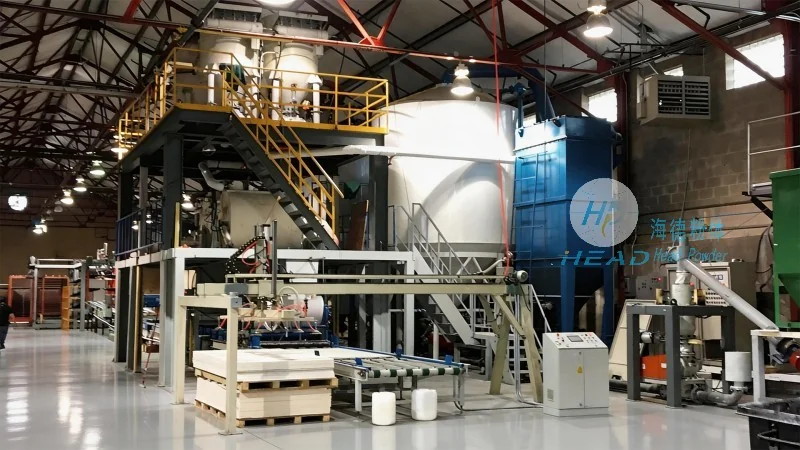
The denitrization fly ash pneumatic conveying line offered by headpowder incorporates several technical features that enhance its performance and reliability. One of the primary advantages is the ability to handle fine, abrasive ash particles without significant wear on the system components. The use of corrosion-resistant materials, such as stainless steel, ensures long service life and minimal maintenance. The system is also designed for low energy consumption, with optimized air velocity and pipeline design to reduce operational costs. Additionally, the separation and filtration system ensures that the air stream is clean and compliant with environmental regulations, preventing dust emissions and protecting the environment. The modular design of the system allows for easy installation and maintenance, with components that can be replaced or upgraded as needed. The company’s expertise in material handling technology has enabled the development of a system that is both efficient and cost-effective, making it an ideal solution for power plants and other industrial facilities.
Conclusion
The denitrization fly ash powder pneumatic conveying line by Shandong HeadPowder Engineering Co., Ltd. represents a sophisticated solution for the efficient and safe handling of denitrization fly ash. By integrating advanced engineering principles with robust component design, the system ensures reliable operation, low maintenance, and compliance with environmental standards. The company’s commitment to innovation and customer satisfaction has made it a trusted partner for industrial facilities seeking to optimize their ash handling processes. With its headquarters in Shandong, China, headpowder continues to lead the way in developing cutting-edge powder handling solutions that meet the evolving needs of the industry.