

Operation Process and Working Principle of Foam Plastic Powder Pneumatic Conveying Line
For industries dealing with foam plastic powders, efficient and reliable material handling is crucial. The foam plastic powder pneumatic conveying line, developed by Shandong HeadPowder Engineering Co., Ltd., is a specialized system designed to transport foam plastic powders in a controlled and safe manner. This article will explore the operation process and working principle of such a system, highlighting its key components and operational steps.
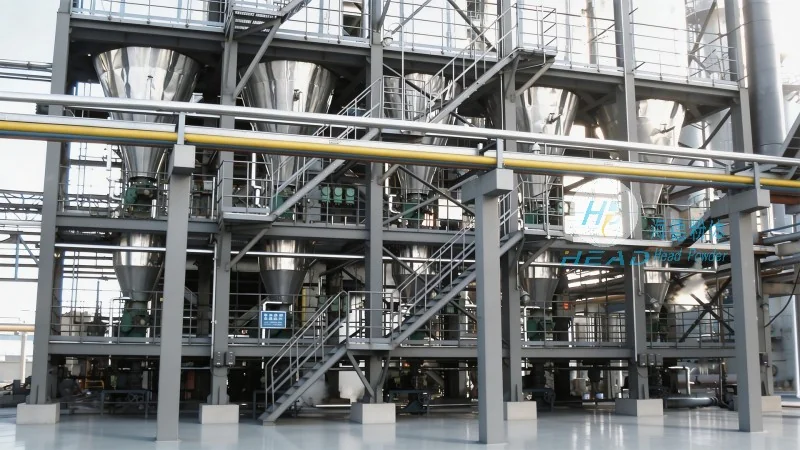
Key Components of the Foam Plastic Powder Pneumatic Conveying Line
The foam plastic powder pneumatic conveying line consists of several essential components that work in tandem to ensure smooth material transport. These components include the material hopper, feeder, air compressor, conveying pipeline, and dust collector. Each component plays a vital role in the overall system performance.
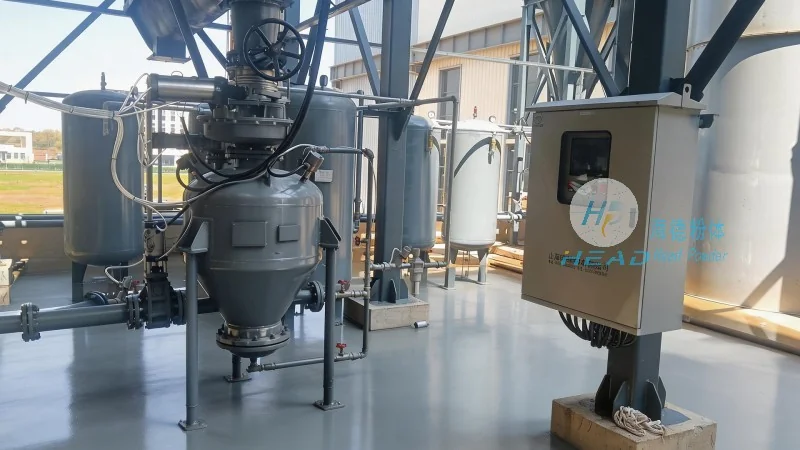
The material hopper is the storage vessel where foam plastic powders are held before being fed into the system. It is designed with a sloped bottom to facilitate the flow of powders into the feeder. The feeder, typically a rotary valve or a screw feeder, regulates the flow rate of the powder, ensuring a consistent and controlled feed to the conveying line. The air compressor provides the necessary pressure and volume of air to move the powder particles through the pipeline. The conveying pipeline, made of durable materials like stainless steel or PVC, is responsible for transporting the powder and air mixture. Finally, the dust collector is used to capture any airborne particles, ensuring environmental compliance and maintaining a clean working environment.
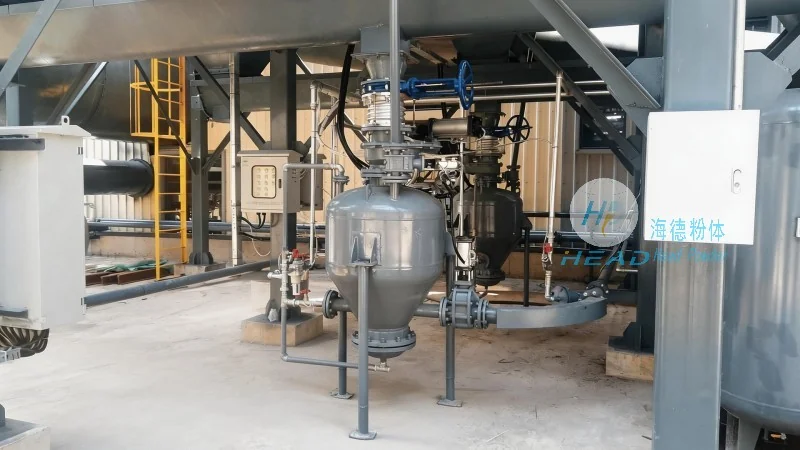
Operation Process of the Foam Plastic Powder Pneumatic Conveying Line
The operation process of the foam plastic powder pneumatic conveying line involves several sequential steps. First, the foam plastic powders are loaded into the material hopper. The feeder then starts to rotate, gradually releasing the powder into the conveying pipeline. Simultaneously, the air compressor begins to operate, generating a high-pressure air stream. This air stream mixes with the powder particles, creating a suspension that is then propelled through the pipeline. The mixture travels through the pipeline to the discharge point, where the powder is deposited into the receiving container. The air, now carrying fine particles, is directed to the dust collector for filtration and separation. The filtered air is then released back into the environment, while the collected powder is returned to the system or disposed of as needed.
Working Principle of the Foam Plastic Powder Pneumatic Conveying Line
The working principle of the foam plastic powder pneumatic conveying line is based on the principle of pneumatic transport, where air is used as the conveying medium to move solid particles. There are two main types of pneumatic conveying systems: pressure and vacuum. The foam plastic powder pneumatic conveying line typically operates under pressure, where the air compressor supplies compressed air to the system. The powder is introduced into the pipeline at a controlled rate, and the air flow carries the powder particles along the pipeline. The velocity of the air stream must be sufficient to overcome the gravitational and frictional forces acting on the powder particles, ensuring stable transport. The system's design, including the pipeline diameter, length, and inclination, is carefully calculated to maintain the required air velocity and pressure to prevent particle deposition or blockage.
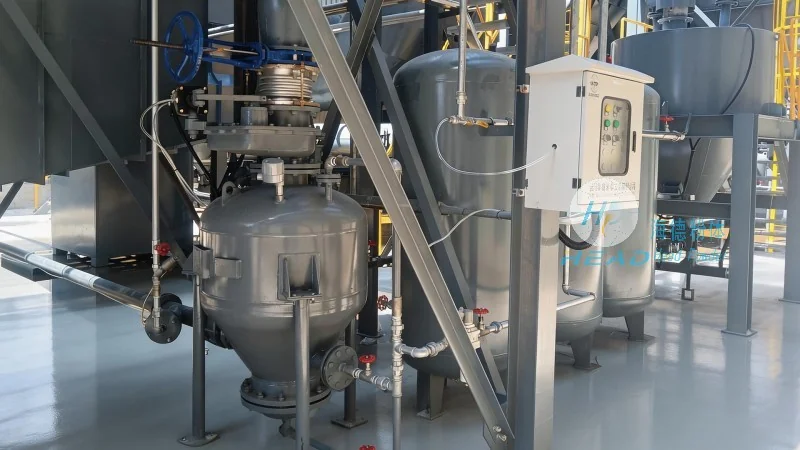
Advantages of Using a Foam Plastic Powder Pneumatic Conveying Line
Implementing a foam plastic powder pneumatic conveying line offers several advantages for industrial applications. Firstly, it provides a dust-free and clean operation, as the system is enclosed and the dust collector captures airborne particles. This reduces the risk of contamination and improves workplace safety. Secondly, the system is highly efficient in terms of material handling, as it can transport powders over long distances with minimal loss. Thirdly, the equipment is relatively compact and can be integrated into existing production lines without significant modifications. Additionally, the system is easy to maintain and operate, with automated controls that ensure consistent performance. These advantages make the foam plastic powder pneumatic conveying line an ideal solution for industries dealing with foam plastic powders, such as packaging, construction, and automotive manufacturing.