

Operation Process and Working Principle of Low-Pressure Powder Body Pneumatic Conveying Equipment
Low-pressure powder body pneumatic conveying equipment is a critical component in modern material handling systems, designed to efficiently transport bulk powders and granular materials over short to medium distances. This technology offers a flexible and reliable solution for industries such as pharmaceuticals, food processing, chemicals, and minerals, where maintaining product integrity and minimizing contamination is paramount. The equipment operates by using low-pressure air to move materials through a closed pipeline system, ensuring a clean and controlled transfer process.
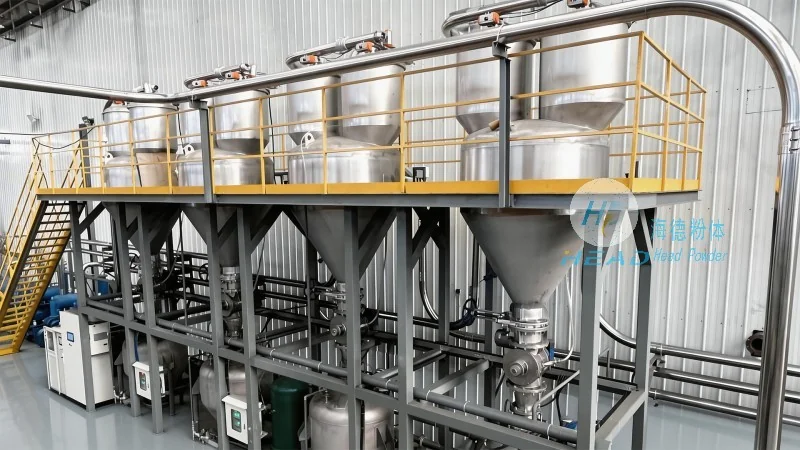
Working Principle of Low-Pressure Pneumatic Conveying Systems
The core principle of low-pressure pneumatic conveying involves the creation of a low-pressure zone within the conveying line, which draws material from the source and propels it through the system using air. Unlike high-pressure systems, low-pressure conveyors typically operate at pressures ranging from 0.5 to 2 bar, making them suitable for a wide range of powder types, including sensitive materials that could be damaged by high velocities or pressures. The system consists of several key components, including a material feed hopper, a rotary airlock valve, a venturi or pressure drop device, and a receiver or discharge hopper. The feed hopper stores the material to be conveyed, while the rotary airlock valve controls the flow of material into the pipeline, preventing backflow. The venturi or pressure drop device creates the necessary pressure differential to move the material along the line. As air and material enter the venturi, the air velocity increases, creating a low-pressure zone that pulls the material particles into the air stream. This mixture of air and material is then transported through the pipeline to the receiver, where the material is separated from the air and collected.
Operation Process of Low-Pressure Powder Conveying Equipment
The operation process of low-pressure pneumatic conveying equipment begins with the loading of the material into the feed hopper. The material is then discharged from the hopper into the rotary airlock valve, which regulates the flow rate and prevents material from flowing back into the hopper. Simultaneously, compressed air is introduced into the system, either at the feed end or through a booster fan at the discharge end. The air and material mixture is then drawn through the venturi or pressure drop device, where the air velocity increases and the material is entrained. The mixture travels through the pipeline to the receiver, where a cyclone or other separation device separates the material from the air. The separated material is collected in the receiver, while the air is either vented to the atmosphere or recycled back into the system. The entire process is controlled by a system of valves, sensors, and a control panel, which monitors pressure, flow rate, and material level to ensure optimal operation. The low-pressure design allows for gentle handling of the material, reducing the risk of degradation or agglomeration, and the closed system minimizes dust emissions and contamination, making it ideal for applications where product purity is critical.
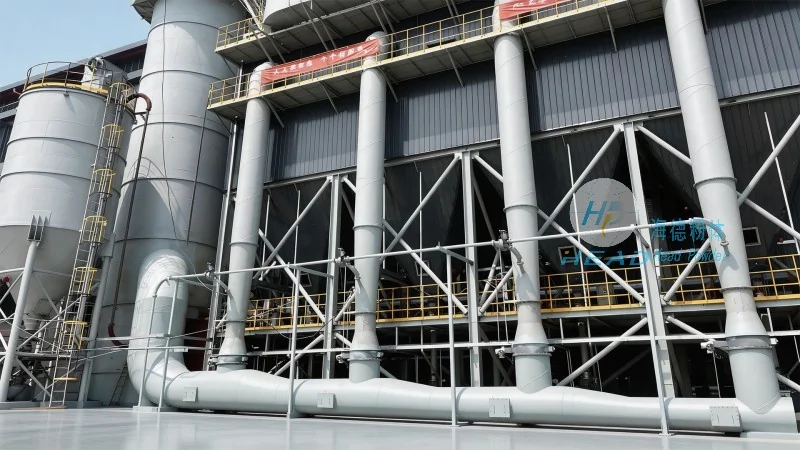
Key Features and Advantages of Low-Pressure Pneumatic Conveying
Low-pressure powder body pneumatic conveying equipment offers several advantages over other material handling methods. One of the primary benefits is its ability to handle a wide variety of materials, including fine powders, granules, and even sticky or cohesive materials, without the need for additional equipment such as conveyors or elevators. The closed system design also provides excellent containment, reducing dust emissions and protecting the material from environmental factors. Additionally, low-pressure systems are generally more energy-efficient than high-pressure systems, as they require less power to operate. The gentle handling of materials minimizes product degradation, ensuring that the material's quality and properties are maintained throughout the conveying process. The flexibility of the system allows for easy integration into existing production lines, and the modular design enables customization to meet specific application requirements. Furthermore, the low-pressure operation reduces the risk of equipment damage or wear, extending the lifespan of the system and reducing maintenance costs.
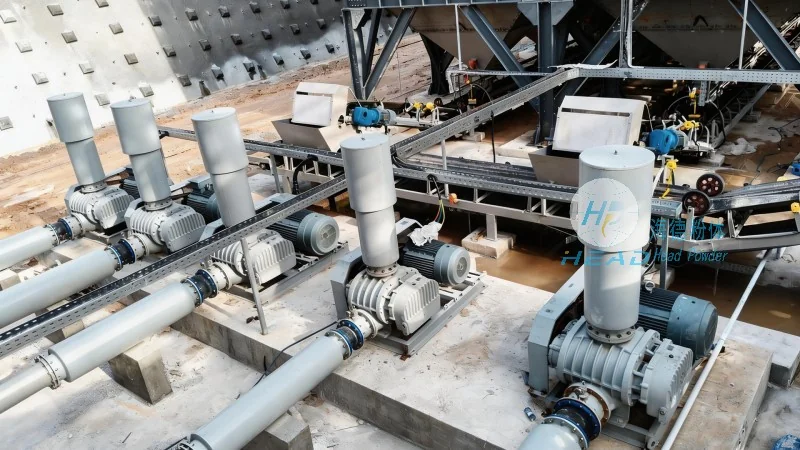
Applications and Industries Served by Low-Pressure Pneumatic Conveying
Low-pressure powder body pneumatic conveying equipment is widely used in various industries due to its versatility and efficiency. In the pharmaceutical industry, it is used to transport active pharmaceutical ingredients (APIs) and excipients, ensuring that the materials are handled gently and remain free from contamination. The food processing industry utilizes low-pressure systems to convey ingredients such as flour, sugar, and spices, maintaining the quality and freshness of the products. The chemical industry employs these systems to transport powders like catalysts, pigments, and reagents, where precise control over the material flow is essential. In the minerals and mining sector, low-pressure conveyors are used to transport raw materials such as ores and coal, improving the efficiency of material handling in processing plants. Additionally, the equipment is used in the agricultural industry to transport fertilizers and seeds, and in the cosmetics industry to convey powders like pigments and fillers. The ability to handle a wide range of materials and the gentle handling process make low-pressure pneumatic conveying a preferred choice for industries where product integrity and quality are non-negotiable.
About Shandong HeadPowder Engineering Co., Ltd.
Shandong HeadPowder Engineering Co., Ltd., commonly known as HeadPowder, is a leading manufacturer and supplier of advanced material handling equipment, including low-pressure powder body pneumatic conveying systems. With a strong focus on innovation and quality, HeadPowder has established itself as a trusted partner for industries worldwide, providing customized solutions tailored to specific application needs. The company's headquarters is located in Shandong, China, where it has a state-of-the-art manufacturing facility equipped with the latest technology and production capabilities. HeadPowder's team of experienced engineers and technicians work closely with clients to understand their requirements and develop solutions that meet their operational and quality standards. The company adheres to strict quality control measures, ensuring that all products meet international standards and are tested for performance and reliability before delivery. HeadPowder's commitment to customer satisfaction and technological advancement has made it a preferred choice for businesses seeking reliable and efficient material handling solutions.