

Principle and Working Scene Characteristics of Pneumatic Conveying Equipment for Sanding Powder Mate
HeadPowder, a leading engineering company based in Shandong, China, specializes in the design and manufacturing of advanced pneumatic conveying systems tailored for various industrial applications. This article explores the fundamental principles behind pneumatic conveying equipment, with a specific focus on its application in handling sanding powder materials, and highlights the key characteristics of working scenes where such equipment is commonly utilized.
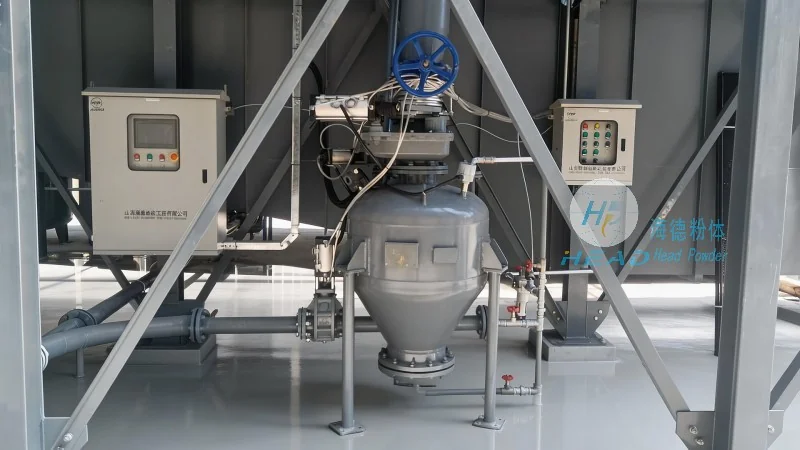
Introduction to Pneumatic Conveying Systems for Sanding Powder Materials
Pneumatic conveying, also known as air conveying, is a method of transporting bulk materials through a pipeline using a gas stream, typically air. For sanding powder materials, which are often fine, abrasive, and have specific flow characteristics, specialized pneumatic conveying equipment is essential to ensure efficient, reliable, and safe material handling. HeadPowder's expertise lies in developing customized solutions that address the unique challenges posed by sanding powders, such as dust generation, caking, and the need for precise control over material flow.
The Working Principle of Pneumatic Conveying Equipment
The core principle of pneumatic conveying for sanding powder materials involves the use of a compressor or blower to generate a high-velocity air stream within a sealed pipeline. This air stream propels the sanding powder particles forward, allowing them to be transported from the source to the destination without the need for mechanical components like belts or buckets. There are two primary types of pneumatic conveying systems: positive pressure (or pressure) systems and negative pressure (or vacuum) systems. Positive pressure systems operate by blowing air into the pipeline, pushing the material forward, while negative pressure systems create a vacuum to draw the material into the pipeline. For sanding powders, positive pressure systems are often preferred due to their ability to handle abrasive materials and prevent material buildup in the pipeline.
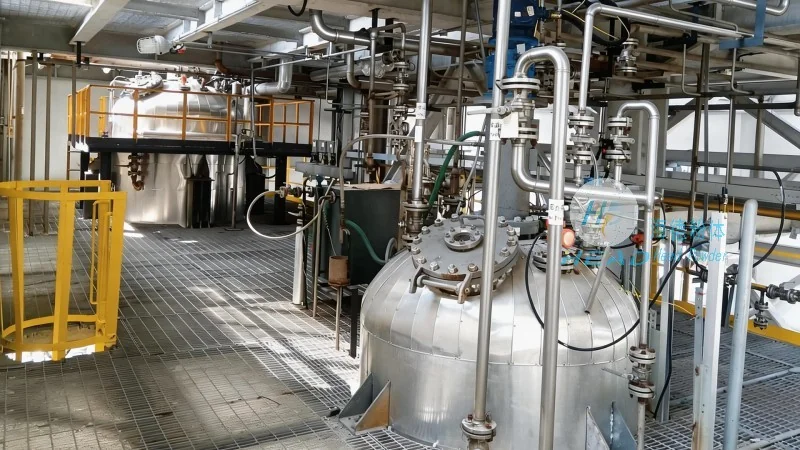
Key Working Scene Characteristics of Pneumatic Conveying Equipment for Sanding Powder Materials
The working scene characteristics of pneumatic conveying equipment for sanding powder materials are influenced by several factors, including the material's physical properties, the distance and height of the transport, and the specific industrial environment. HeadPowder's equipment is designed to adapt to diverse working conditions, ensuring optimal performance in different scenarios. For instance, in a woodworking or furniture manufacturing facility, sanding powder is generated during the finishing process and needs to be collected and transported to a storage or processing area. The pneumatic conveying system can efficiently collect the fine powder from the work area, transport it through the facility, and deposit it in a designated container, minimizing dust dispersion and improving workplace safety.
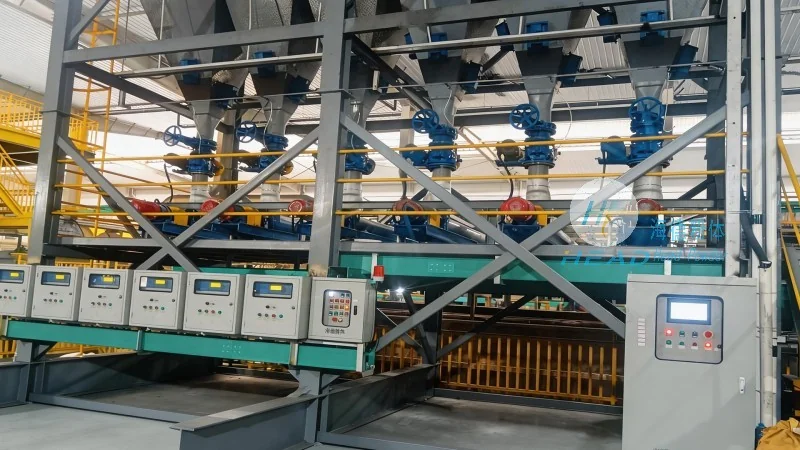
In another working scene, such as a metalworking or automotive manufacturing plant, sanding powder may be used for surface preparation before painting or coating. The pneumatic conveying equipment can handle the abrasive nature of the sanding powder, ensuring that the material is transported without clogging or damaging the pipeline. The system's ability to maintain a consistent air flow and pressure is crucial for maintaining the quality of the sanding powder and preventing material degradation during transport.
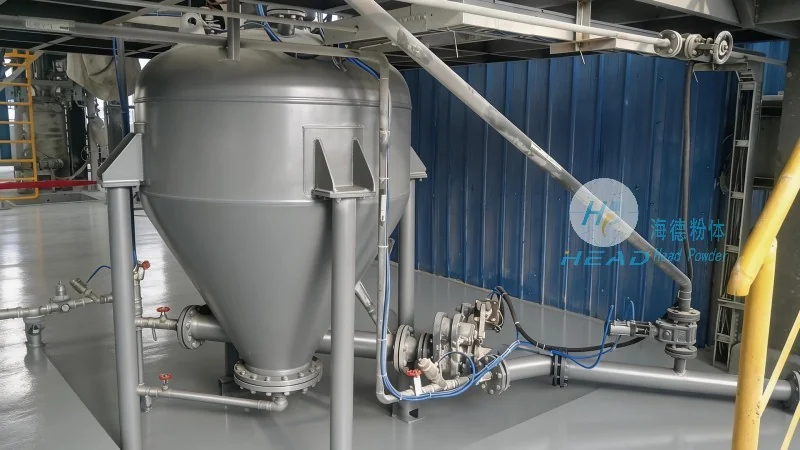
Advantages and Applications in Industrial Settings
The use of pneumatic conveying equipment for sanding powder materials offers several advantages over traditional mechanical conveying methods. These include reduced labor costs, as the system automates the material handling process; improved safety, as it minimizes human exposure to dust and hazardous materials; and enhanced efficiency, as it allows for continuous and uninterrupted material transport. HeadPowder's systems are widely used in various industries, including woodworking, metalworking, automotive manufacturing, and construction, where sanding powder is a critical component of the production process. The company's commitment to quality and customization ensures that each pneumatic conveying system is tailored to meet the specific needs of the client, whether it's for small-scale operations or large industrial facilities.
Conclusion
HeadPowder's pneumatic conveying equipment for sanding powder materials represents a sophisticated solution for efficient and safe material handling in industrial settings. By understanding the fundamental principles of pneumatic conveying and the unique characteristics of sanding powder materials, HeadPowder has developed systems that are both effective and reliable. The working scene characteristics of these systems, combined with their advantages in industrial applications, make them an ideal choice for companies seeking to optimize their material handling processes and improve overall operational efficiency.