

Principle and Working Scene Characteristics of a Sodium Sulfate Powder Material Pneumatic Conveying
Understanding the operation of a sodium sulfate powder material pneumatic conveying system is crucial for industries that rely on efficient and reliable material handling. This system utilizes compressed air or other gases to transport dry powders like sodium sulfate through a network of pipes. The core principle involves creating a pressure differential that draws or pushes the material along the pipeline, ensuring seamless movement from the source to the destination.
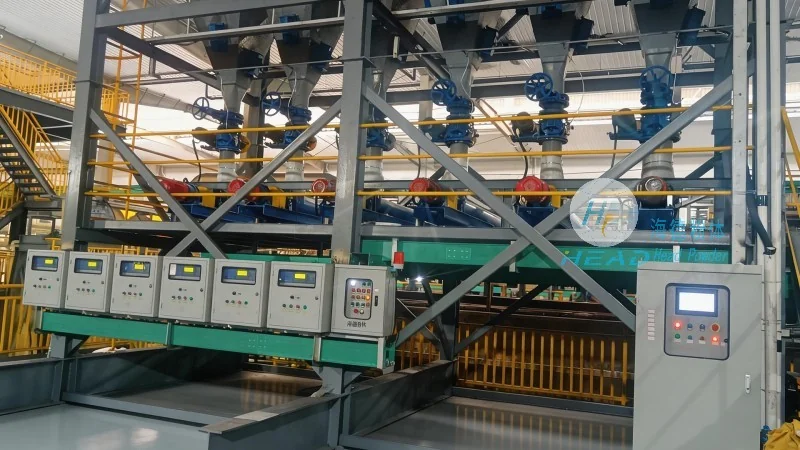
Core Principle of Pneumatic Conveying for Sodium Sulfate Powder
The pneumatic conveying system for sodium sulfate powder operates on the fundamental principle of using air flow to move particulate materials. In this system, compressed air is introduced into a hopper or feeder, where it creates a negative pressure (in the case of suction systems) or positive pressure (in the case of pressure systems) that lifts the powder particles. The air and powder mixture then travels through the pipeline to the discharge point. The efficiency of this process depends on several factors, including the particle size, density, and moisture content of the sodium sulfate, as well as the air velocity and pressure used.
Key Components and Their Functions
Several critical components make up a sodium sulfate powder pneumatic conveying system. These include the hopper or feeder, which holds the material and controls the flow rate; the air compressor or blower, which provides the necessary air pressure; the pipeline network, which transports the material; and the discharge device, which releases the powder at the destination. Each component plays a vital role in ensuring the system operates smoothly and efficiently. For example, the feeder ensures a consistent flow of sodium sulfate into the system, while the compressor maintains the required air pressure to move the material through the pipes.
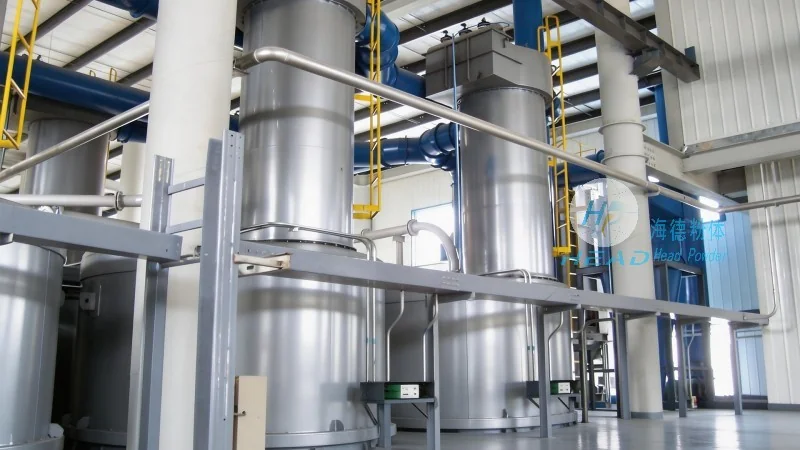
Working Scene Characteristics: Application in Industrial Settings
The working scene characteristics of a sodium sulfate powder pneumatic conveying system are tailored to meet the specific needs of industrial applications. In manufacturing facilities, this system is often used to transport sodium sulfate from storage silos to processing equipment, such as reactors or mixers. The ability to handle large volumes of material with minimal manual intervention makes it ideal for high-throughput operations. Additionally, the system can be integrated into existing production lines, allowing for seamless material transfer without disrupting the workflow.
Advantages in Handling Sodium Sulfate Powder
Using a pneumatic conveying system for sodium sulfate powder offers several advantages over traditional methods like bucket elevators or belt conveyors. One of the primary benefits is the ability to transport the material in a closed system, which helps prevent dust contamination and environmental pollution. This is particularly important for sodium sulfate, which can be a respiratory irritant if released into the air. Additionally, the system allows for precise control over the flow rate and pressure, ensuring consistent material delivery to downstream processes. The closed pipeline also reduces the risk of material degradation or moisture absorption, which can affect the quality of the sodium sulfate.
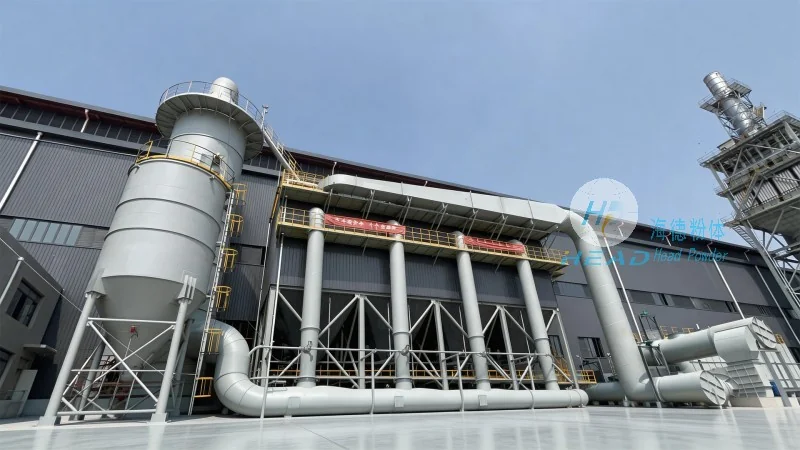
Operational Considerations and Maintenance
Proper operation and maintenance are essential for the long-term performance of a sodium sulfate powder pneumatic conveying system. Regular cleaning of the pipeline and components is necessary to prevent clogging or blockages, which can occur if the powder is too fine or has high moisture content. The air compressor and blower should be checked regularly to ensure they are operating within the recommended pressure and flow rates. Additionally, monitoring the system for any signs of wear or damage, such as leaks or corrosion, can help prevent unexpected failures and downtime. By following these operational guidelines, the system can maintain its efficiency and reliability over time.
Conclusion: The Role of Shandong HeadPowder Engineering Co., Ltd.
For industries seeking a reliable and efficient solution for transporting sodium sulfate powder, the pneumatic conveying system is an excellent choice. The system’s ability to handle large volumes of material in a closed, controlled environment makes it a preferred method for many manufacturers. Shandong HeadPowder Engineering Co., Ltd., a leading provider of material handling solutions, specializes in designing and implementing such systems tailored to the specific needs of their clients. With years of experience in the industry, headpowder ensures that their systems are built to withstand the demands of industrial operations, providing long-term performance and reliability.