

Operation Process and Working Principle of Powder Pneumatic Conveying Line for Battery Positive Elec
Shandong HeadPowder Engineering Co., Ltd., commonly known as headpowder, is a professional manufacturer based in Shandong, China. The company specializes in the research, development, and production of advanced powder pneumatic conveying systems, particularly tailored for the battery industry. With a strong commitment to technological innovation and quality, headpowder provides customized solutions for the efficient handling of battery positive electrode materials, ensuring optimal performance and reliability in material transportation processes.
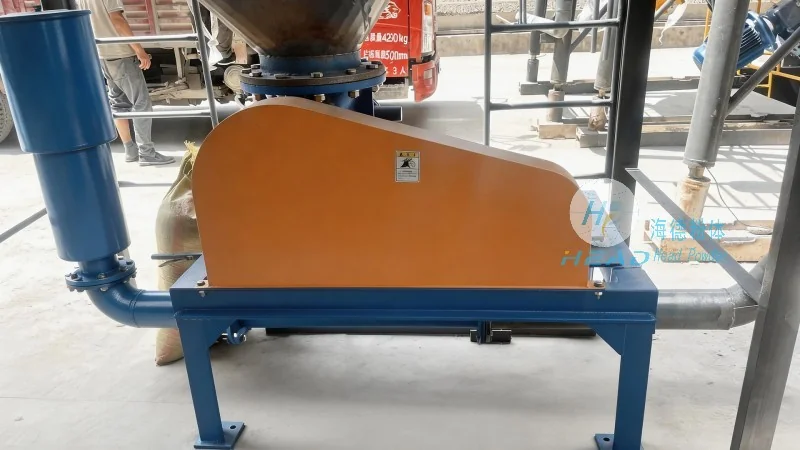
Overview of the Powder Pneumatic Conveying Line for Battery Positive Electrode Materials
The powder pneumatic conveying line designed for battery positive electrode materials is a sophisticated system engineered to transport fine powders, such as lithium cobalt oxide, lithium iron phosphate, or other cathode active materials, with precision and efficiency. This system integrates components like feeders, pneumatic conveying pipes, control valves, and dust collectors, all working in harmony to achieve seamless material transfer from storage to processing units. The design prioritizes minimal material loss, consistent flow rates, and adherence to industrial safety standards, making it an essential asset in modern battery manufacturing facilities.
Step-by-Step Operation Process of the Conveying Line
The operation of the powder pneumatic conveying line for battery positive electrode materials follows a systematic sequence to ensure smooth and reliable material handling. The process begins with the preparation phase, where the raw positive electrode material is loaded into the storage hopper. Once the hopper is filled, the system activates the feeder, which gradually releases the material into the conveying line. Simultaneously, the air compressor or blower generates a flow of air, which is directed into the conveying pipes. The air and material mixture travels through the pipeline network, reaching the destination point—such as a mixing or coating machine. At the receiving end, a separator or cyclone separates the material from the air, allowing the material to be deposited into the target container. The system then cycles back to the initial state, ready for the next batch of material. This continuous cycle minimizes downtime and maximizes productivity, ensuring that the material flow remains consistent throughout the operation.
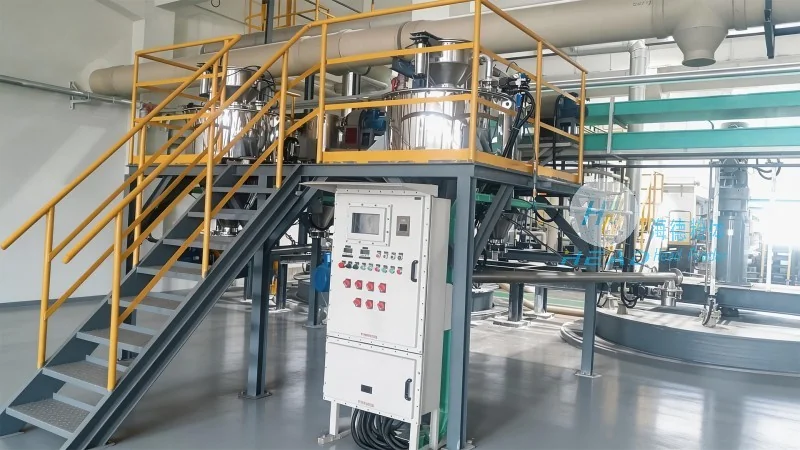
Working Principle of the Pneumatic Conveying System
The core working principle of the powder pneumatic conveying line relies on the interaction between air and solid particles. There are two primary modes of operation: positive pressure and negative pressure (or vacuum) systems. In a positive pressure system, the air compressor pushes air into the conveying line, creating a pressure differential that propels the material forward. The material is suspended in the air stream, moving through the pipes due to the drag force exerted by the air. In a negative pressure system, a vacuum pump creates a low-pressure environment at the receiving end, drawing the material and air mixture into the pipeline. The material is then separated from the air at the end of the line using a separator. Both systems utilize the principle of fluidization, where the air flow creates a fluid-like environment for the powder, enabling it to flow through the pipes without clogging or degradation. The design of the pipeline, including the diameter, length, and bends, is critical to maintaining the air velocity required to keep the material suspended and prevent particle agglomeration. Additionally, the system incorporates control valves and sensors to monitor and adjust the air flow and material feed rate, ensuring stable operation and preventing overloading or underloading of the pipeline.
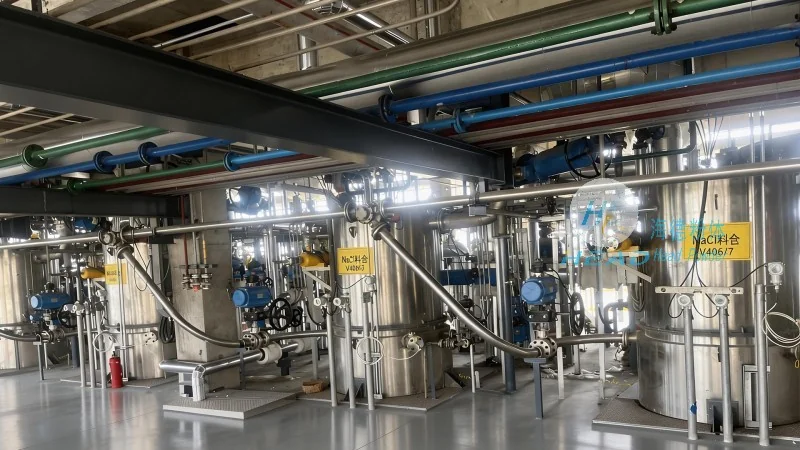
Technical Advantages and Features of the Conveying Line
HeadPowder’s powder pneumatic conveying line for battery positive electrode materials offers several technical advantages that enhance its performance and reliability. One key feature is the high efficiency in material transportation, with minimal material loss and consistent flow rates, which is crucial for maintaining product quality in battery manufacturing. The system is designed to handle fine powders with high bulk density, ensuring that the material remains in a suspended state throughout the conveying process. This reduces the risk of particle degradation, such as attrition or agglomeration, which can affect the performance of the final battery product. Another advantage is the compact and modular design, allowing for easy installation and integration into existing production lines. The system also incorporates advanced control systems, including PLC (Programmable Logic Controller) and sensors, to monitor key parameters like air pressure, flow rate, and material level. This enables real-time adjustments and fault detection, minimizing downtime and ensuring operational safety. Furthermore, the use of high-quality materials for the conveying pipes and components ensures durability and resistance to corrosion, which is essential for handling chemically active battery materials. The dust collection system, integrated into the design, ensures compliance with environmental regulations and maintains a clean working environment.
Application in Battery Manufacturing Processes
The powder pneumatic conveying line plays a vital role in the battery manufacturing process, particularly in the handling of positive electrode materials. In the production of lithium-ion batteries, the positive electrode material is typically a fine powder that requires precise and controlled transportation to the mixing and coating stages. The conveying line ensures that the material is delivered to the mixing machine at the correct concentration and flow rate, which is critical for achieving uniform electrode composition. This uniformity directly impacts the battery’s performance, including its capacity, cycle life, and safety. The system also supports the continuous production workflow, allowing for seamless transition between different production stages without manual intervention. By automating the material handling process, the conveying line reduces labor costs and minimizes human error, leading to higher overall productivity. Additionally, the system’s ability to handle various types of positive electrode materials makes it versatile and adaptable to different battery chemistries, such as lithium cobalt oxide (LCO), lithium iron phosphate (LFP), and nickel manganese cobalt oxide (NMC). This adaptability allows manufacturers to switch between different battery types or adjust production scales without significant modifications to the conveying system.