

Operation Process and Working Principle of Lithium Iron Phosphate Powder Pneumatic Conveying Line
HeadPowder, a leading enterprise in the field of powder handling technology, specializes in the design, manufacturing, and installation of pneumatic conveying systems for lithium iron phosphate (LiFePO₄) powders. This article provides a detailed overview of the operation process and working principle of a typical lithium iron phosphate powder pneumatic conveying line, highlighting the key components, operational mechanisms, and practical considerations for efficient material transport.
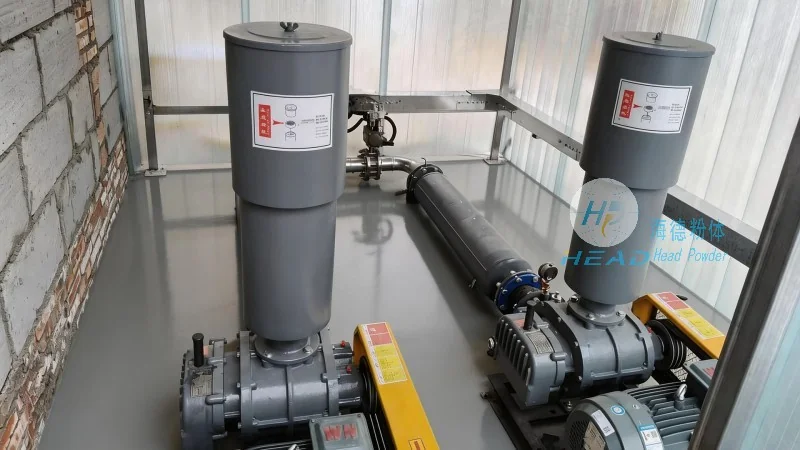
Company Profile and Expertise
Shandong HeadPowder Engineering Co., Ltd., commonly known as HeadPowder, is headquartered in Shandong, China. With years of experience in the powder processing industry, the company has developed advanced solutions for handling fine powders, including lithium iron phosphate, which is widely used in lithium-ion batteries due to its high safety and stability. HeadPowder's expertise lies in optimizing pneumatic conveying systems to ensure reliable, low-damage, and energy-efficient transport of sensitive powders like LiFePO₄.
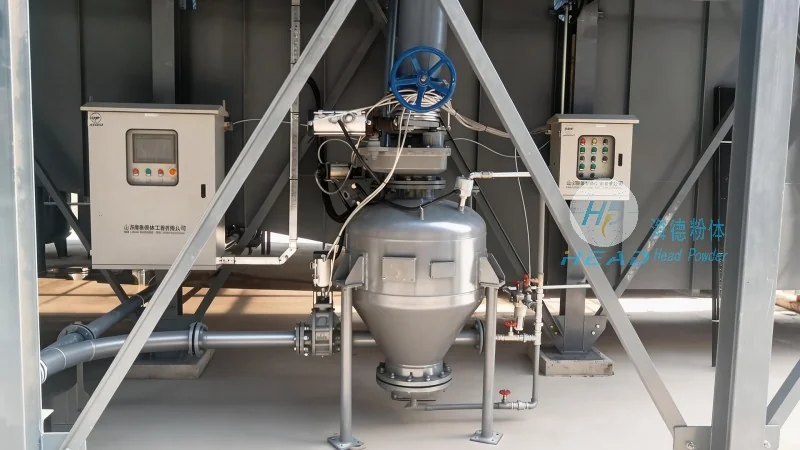
Working Principle of Pneumatic Conveying Systems
The core of a lithium iron phosphate powder pneumatic conveying line is the pneumatic conveying system, which uses compressed air to transport powder particles through a pipeline. The system typically consists of a feeding device, a conveying pipeline, a separation and collection system, and a control unit. The working principle involves the following key steps:
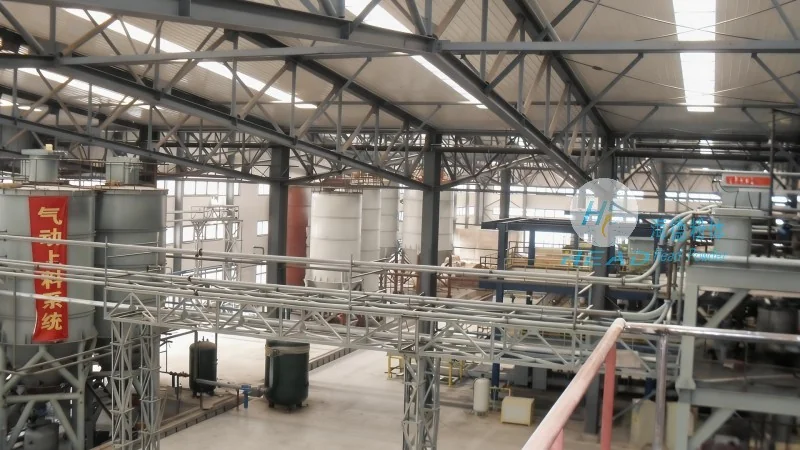
- Feeding and Air Intake: The lithium iron phosphate powder is fed into the system via a hopper or feeder. Simultaneously, compressed air is introduced into the pipeline, creating a pressure difference that initiates the conveying process.
- Particle Suspension and Transport: As the compressed air flows through the pipeline, it suspends the powder particles, forming a dense or dilute phase flow. The velocity of the air ensures that the particles remain in suspension, preventing clogging and ensuring smooth transport.
- Separation and Collection: At the receiving end, the conveying line is equipped with a separator (such as a cyclone or bag filter) that separates the powder from the air. The air is then discharged, while the powder is collected in a storage tank or processing unit.
Operation Process of the Conveying Line
The operation process of a lithium iron phosphate powder pneumatic conveying line involves several stages, each critical for maintaining efficiency and product quality. The process typically includes the following phases:
- Preparation and Startup: Before operation, the system is checked for proper air pressure, pipeline integrity, and feeder alignment. The compressed air is turned on, and the feeder is activated to start the powder flow. This initial phase ensures that all components are functioning correctly and that the system is ready for continuous operation.
- Continuous Conveying: Once the system is started, the feeder continuously supplies the lithium iron phosphate powder into the pipeline. The compressed air maintains the suspension of particles, and the powder is transported to the destination. During this phase, the system operates at a steady state, with consistent flow rates and pressure levels.
- Monitoring and Control: Real-time monitoring of key parameters such as air pressure, flow rate, and powder level is essential to ensure optimal performance. The control unit adjusts the air flow and feeder speed as needed to maintain stable operation and prevent issues like clogging or air leakage.
- Shutdown and Maintenance: When the conveying process is complete, the system is shut down in an orderly manner. The compressed air is turned off, and the pipeline is cleared of any remaining powder. Regular maintenance, including cleaning the separator, checking for wear in components, and replacing filters, is performed to ensure the system's longevity and reliability.
Key Components and Their Functions
Several key components work together to ensure the efficient operation of a lithium iron phosphate powder pneumatic conveying line. These components include:
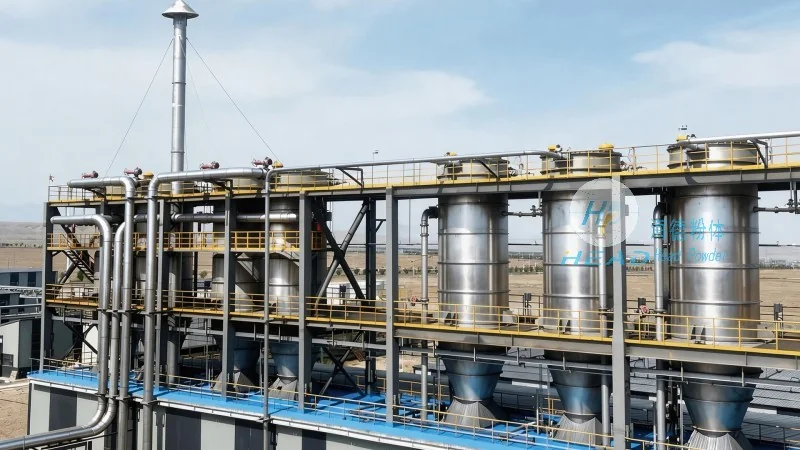
- Feeder: The feeder is responsible for accurately and continuously feeding the lithium iron phosphate powder into the conveying pipeline. It ensures a consistent flow rate, which is crucial for maintaining the stability of the powder-air mixture.
- Compressor and Air Dryer: The compressor generates the compressed air required for conveying, while the air dryer removes moisture from the air to prevent moisture-related issues such as clumping or corrosion of the powder.
- Pipeline System: The conveying pipeline, typically made of stainless steel or other corrosion-resistant materials, transports the powder-air mixture from the feeder to the separator. The pipeline design, including bends and straight sections, is optimized to minimize pressure loss and maintain the flow velocity.
- Separator: The separator, often a cyclone or a bag filter, separates the powder from the air. The cyclone uses centrifugal force to separate particles based on their size and density, while the bag filter captures fine particles using fabric filters.
- Control System: The control system monitors and regulates the operation of the entire conveying line. It includes sensors for pressure, flow, and level, as well as control valves and a programmable logic controller (PLC) to adjust the system parameters in real time.
Benefits and Applications
The lithium iron phosphate powder pneumatic conveying line offers several advantages over traditional mechanical conveying methods, making it ideal for handling sensitive powders like LiFePO₄. These benefits include: