

What is a Grain Material Pneumatic Conveying System? And What Are Its Design Principles?
Grain material pneumatic conveying systems are advanced industrial solutions designed to efficiently transport bulk materials like grains, powders, and other granular substances. These systems utilize air or gas as the primary medium to move materials from one location to another, offering a range of benefits over traditional mechanical conveying methods. Understanding the core components and design principles of such systems is crucial for industries involved in agriculture, food processing, and material handling.
Introduction to Grain Material Pneumatic Conveying Systems
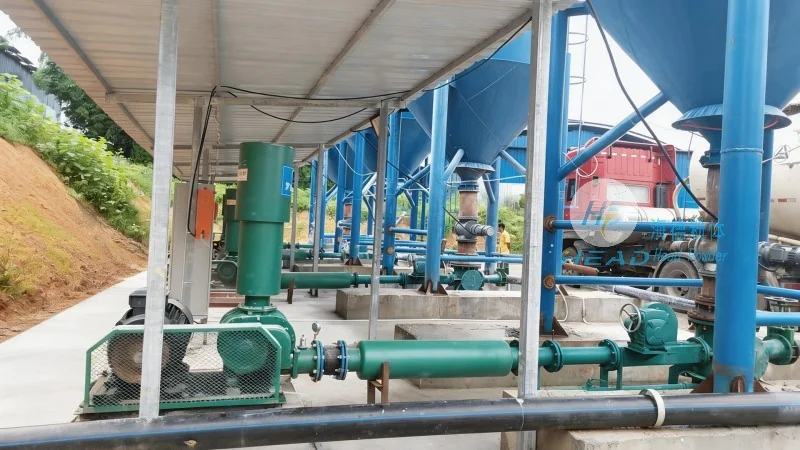
A pneumatic conveying system for grain materials typically consists of several key components, including a material hopper, a conveying line (often equipped with ducts and fittings), a blower or air compressor, and a discharge point. The system operates by drawing material from the hopper and transporting it through the ducts using pressurized air. This method allows for the safe and efficient movement of bulk materials over long distances, often with minimal maintenance requirements compared to mechanical systems.
Key Components of a Grain Pneumatic Conveying System
The effectiveness of a grain material pneumatic conveying system relies on the proper integration of several critical components. The material hopper serves as the storage and feeding unit, ensuring a consistent flow of material into the system. The conveying line, which may include straight sections, bends, and transitions, is designed to handle the material's specific characteristics, such as particle size and density. The blower or air compressor provides the necessary air pressure to move the material through the system, with options ranging from positive pressure to negative pressure systems depending on the application.
Design Principles for Optimal Performance
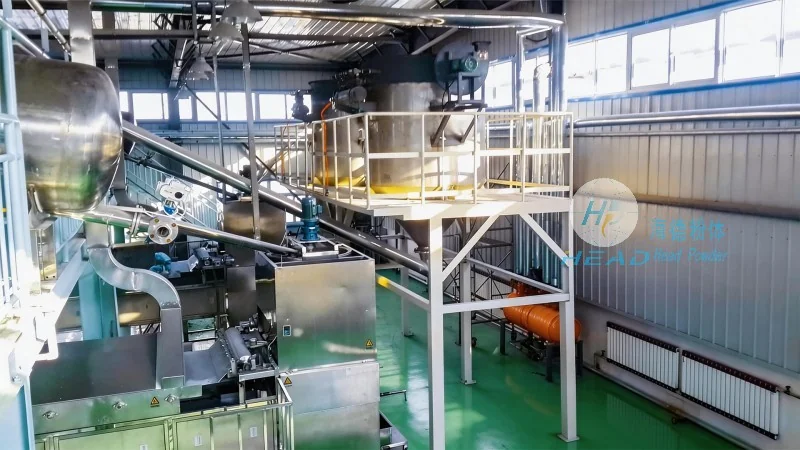
Designing a grain material pneumatic conveying system involves several key principles aimed at maximizing efficiency, minimizing material degradation, and ensuring system reliability. One of the primary considerations is the selection of the appropriate air velocity, which must be high enough to entrain the material particles but low enough to prevent excessive wear on the system components. The system's layout and duct design are also critical, as they directly impact the pressure drop and overall energy consumption. Additionally, the choice of materials for the conveying line and components is essential to withstand the abrasive nature of grain materials and resist corrosion.
Benefits of Using Grain Material Pneumatic Conveying Systems
Implementing a pneumatic conveying system for grain materials offers numerous advantages over traditional methods. These systems provide a closed environment, which helps maintain product quality by preventing contamination and exposure to moisture or dust. They also enable the safe and efficient handling of hazardous materials, as the system can be designed to meet specific safety standards. Furthermore, pneumatic conveying systems are highly flexible, allowing for easy integration into existing production lines and the ability to transport materials to multiple destinations from a single source.
Application Examples in the Industry
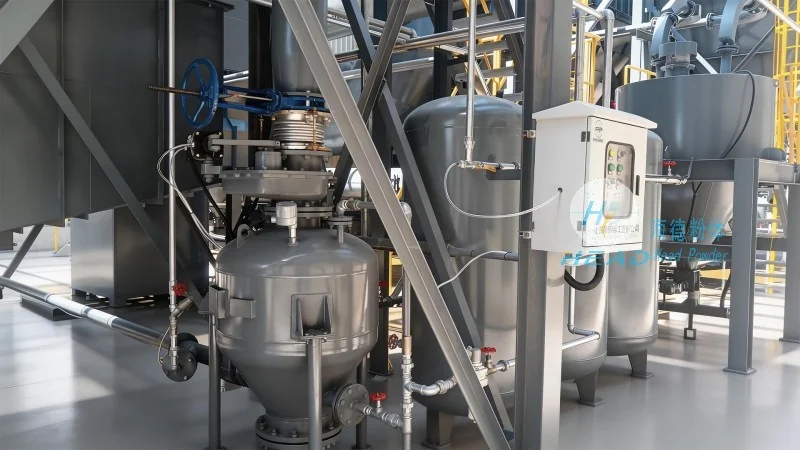
Grain material pneumatic conveying systems are widely used in various industries, including agriculture, food processing, and chemical manufacturing. In agriculture, these systems are commonly employed for the transportation of grains from storage silos to processing facilities or for the distribution of feed ingredients to livestock operations. In food processing, they are used to move ingredients like flour, sugar, and spices between production stages, ensuring a clean and hygienic process. The systems are also utilized in chemical plants for the handling of bulk powders and granules, where maintaining product integrity and safety is paramount.
Customization and Integration with HeadPowder Engineering
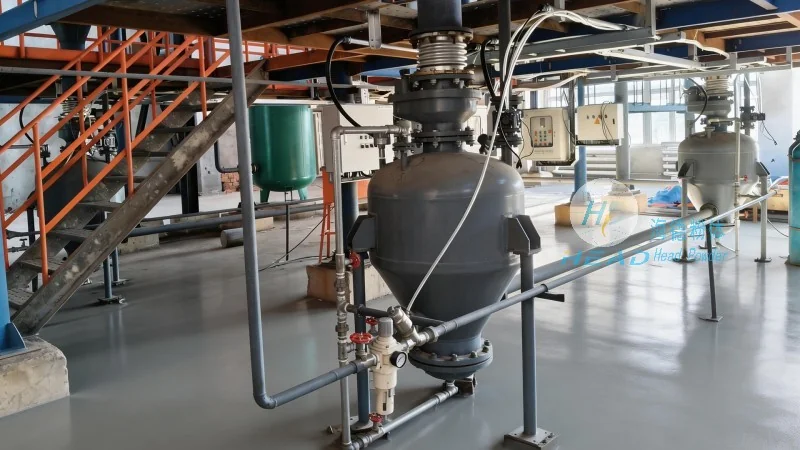
Shandong HeadPowder Engineering Co., Ltd., a leading provider of industrial conveying solutions, specializes in designing and manufacturing customized grain material pneumatic conveying systems tailored to the specific needs of clients. With a focus on innovation and quality, HeadPowder offers a range of solutions that incorporate the latest design principles and materials to ensure optimal performance and longevity. The company's expertise in system design allows for the integration of various components, such as material feeders, air filtration systems, and control panels, to create a comprehensive and efficient conveying solution. HeadPowder's commitment to customer satisfaction and technical support ensures that clients receive not only a high-quality product but also reliable service throughout the system's lifecycle.
Conclusion
Grain material pneumatic conveying systems represent a sophisticated and efficient approach to bulk material handling, offering significant advantages in terms of performance, safety, and flexibility. By understanding the core design principles and components of such systems, industries can make informed decisions about implementing these solutions to enhance their operational efficiency. With the expertise of companies like Shandong HeadPowder Engineering Co., Ltd., businesses can access tailored pneumatic conveying systems that meet their specific requirements, ensuring reliable and effective material transport in various applications.