When designing a mica powder pneumatic conveying system, several critical factors must be considered to ensure efficient, reliable, and cost-effective operation. The system's performance is heavily influenced by the material properties of mica powder, which are known for their high specific gravity, fine particle size, and potential for static charge accumulation. These characteristics require specialized equipment and design strategies to mitigate common challenges such as particle segregation, blockage, and material degradation.
System Design Fundamentals
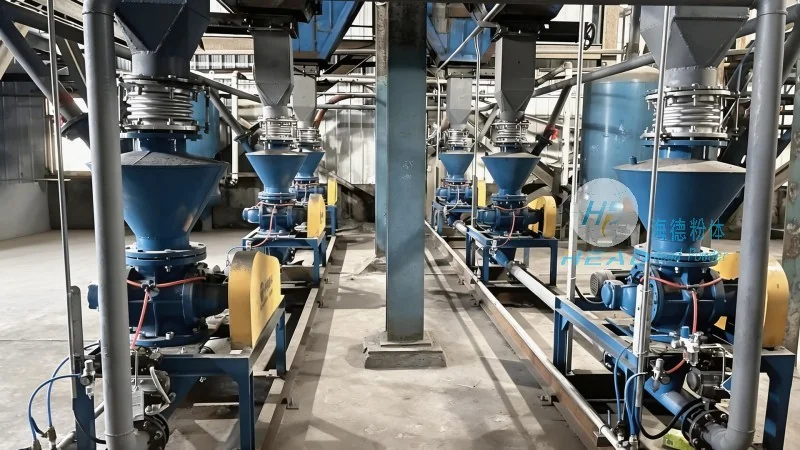
The foundation of an effective mica powder pneumatic conveying system lies in understanding the material's behavior under pneumatic transport conditions. Key design parameters include the system's capacity, pressure requirements, and the selection of appropriate components like feeders, pipelines, and separation equipment. For mica powder, which often has a particle size ranging from 1 to 200 microns and a bulk density of approximately 2.7 g/cm³, the choice of conveying method—whether dilute phase or dense phase—plays a pivotal role. Dilute phase systems use low pressure and high air velocity to transport particles, while dense phase systems employ higher pressure and lower velocity to reduce particle impact and wear on equipment. The selection depends on the specific application, such as long-distance transport versus short-distance handling, and the need to preserve particle integrity.
Material Handling Challenges and Solutions
Mica powder's tendency to generate static electricity is a significant challenge in pneumatic conveying. This can lead to particle agglomeration, which blocks pipelines and reduces system efficiency. To address this, anti-static measures are essential. Common solutions include incorporating static dissipative materials in the system, using grounding equipment, and adding humidifiers to the air stream to reduce static buildup. Additionally, the fine particle size of mica powder increases the risk of wear on conveying components, particularly in the pipeline and valve areas. Therefore, selecting materials with high wear resistance, such as stainless steel or specialized alloys, is crucial to extend the system's lifespan and maintain performance.
Component Selection and Integration
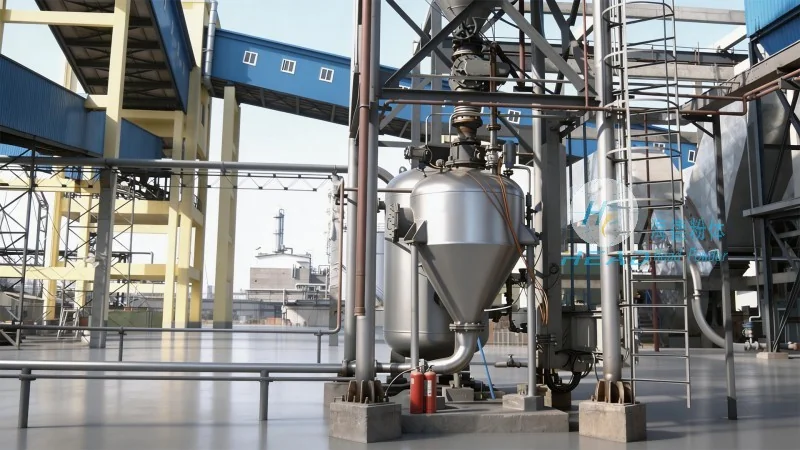
The success of a mica powder pneumatic conveying system hinges on the careful selection and integration of key components. The feeder is a critical element, as it must consistently feed the mica powder into the system without causing blockages or uneven flow. For fine powders like mica, a rotary valve or a star feeder is often preferred due to their ability to handle small particles and maintain a steady feed rate. The pipeline design is another critical aspect; it should be sized appropriately to minimize pressure drop and prevent particle segregation. For long-distance transport, vertical or inclined pipelines may be necessary, and the use of smooth, corrosion-resistant materials is essential to avoid particle accumulation and ensure uniform flow.
System Control and Monitoring
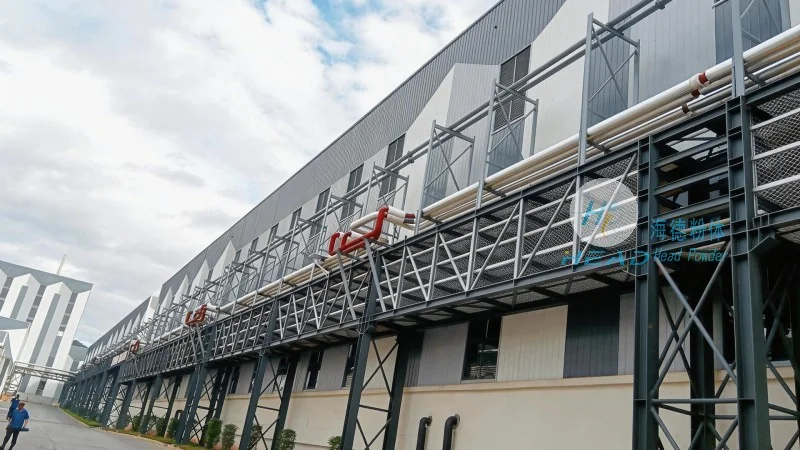
Effective control and monitoring systems are vital for maintaining the performance and reliability of a mica powder pneumatic conveying system. Automated control systems can regulate air pressure, flow rate, and feeder speed in real-time, ensuring optimal operation under varying conditions. Sensors such as pressure transducers, flow meters, and particle counters can provide continuous feedback on system performance, allowing for immediate adjustments if issues arise. Additionally, monitoring for signs of wear or blockage, such as increased pressure drop or abnormal noise, helps in proactive maintenance, reducing downtime and maintenance costs.
Company Overview and Expertise
HeadPowder, a leading provider of engineering solutions for material handling systems, specializes in designing and implementing mica powder pneumatic conveying systems tailored to the unique needs of industrial applications. With a strong focus on material science and process engineering, HeadPowder's team of experts leverages decades of experience to address the challenges associated with handling fine, static-prone materials like mica powder. The company's headquarters is located in Shandong, China, where it operates a state-of-the-art research and development facility dedicated to advancing material handling technologies. HeadPowder's commitment to quality and customer satisfaction is reflected in its comprehensive approach to system design, from initial consultation and engineering to installation and after-sales support.




