

What is a Brown Sugar Material Pneumatic Conveying Line? And What Are Its Design Principles?
Brown sugar, a popular sweetener with rich flavor and nutritional value, often requires efficient and hygienic handling during production and transportation. A brown sugar material pneumatic conveying line is a specialized system designed to transport brown sugar from one location to another using air as the conveying medium. This technology offers advantages such as reduced contamination risk, improved process control, and enhanced operational efficiency compared to traditional methods like belt conveyors or manual handling.
Design Principles of Pneumatic Conveying Systems for Brown Sugar
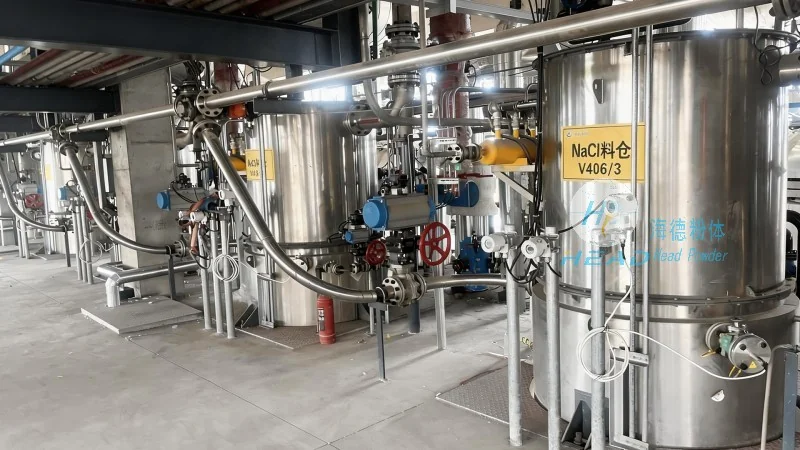
The design of a brown sugar pneumatic conveying line is based on several key principles to ensure optimal performance and material integrity. First, the system must maintain a low air velocity to prevent particle degradation and caking, which is critical for delicate brown sugar. Second, the conveying line is typically equipped with positive pressure or negative pressure systems, depending on the application. Positive pressure systems blow air through the line, while negative pressure systems create a vacuum to draw material in. For brown sugar, positive pressure is often preferred to minimize dust generation and maintain product quality. Third, the system incorporates components like feeders, cyclones, and filters to control flow rates and separate air from the material. The feeders ensure a consistent material feed, while cyclones and filters prevent dust from escaping and maintain a clean environment. Additionally, the design considers the material's moisture content and flow properties, as brown sugar can be prone to sticking or agglomeration if not handled properly. The system may include temperature control features to prevent moisture buildup and maintain the sugar's quality. Finally, the conveying line is constructed from materials that are non-reactive and easy to clean, such as stainless steel, to meet food industry hygiene standards.
Components and Functionality of the Conveying Line
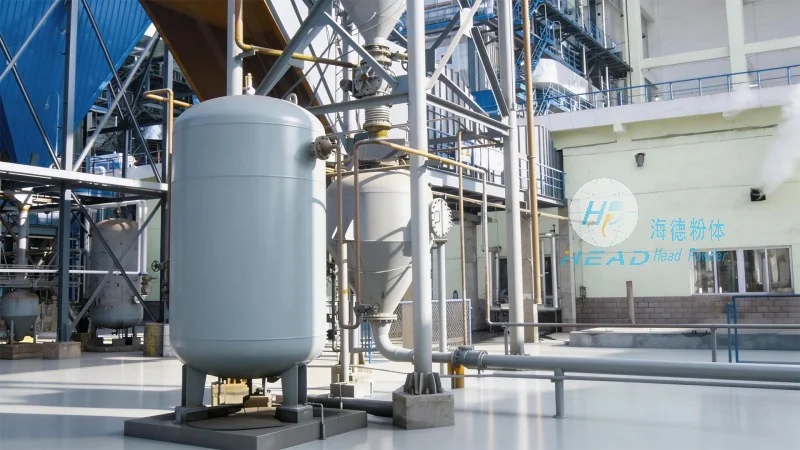
A typical brown sugar pneumatic conveying line consists of several key components that work together to achieve efficient material transport. The primary components include a material hopper, a rotary feeder, a conveying pipe, a cyclone separator, and a dust collector. The material hopper stores the brown sugar and provides a consistent feed to the system. The rotary feeder controls the flow rate of the sugar into the conveying pipe, ensuring a steady supply without overloading the system. The conveying pipe is the main channel through which the sugar is transported by air. The air velocity within the pipe is carefully controlled to maintain the material in a suspended state without causing damage. The cyclone separator is located at the end of the pipe and uses centrifugal force to separate the sugar from the air. The sugar is collected in a collection bin, while the air is directed to a dust collector. The dust collector filters out any remaining sugar particles and returns clean air to the system, reducing environmental contamination and improving air quality. The system may also include a pressure regulator and a flow meter to monitor and adjust the air pressure and material flow as needed. These components work in tandem to ensure the smooth and efficient operation of the conveying line, minimizing downtime and maximizing productivity.
Benefits of Using a Pneumatic Conveying Line for Brown Sugar
Implementing a brown sugar material pneumatic conveying line offers numerous benefits for manufacturers. First, the system provides a hygienic and dust-free environment, which is essential for food products like brown sugar. Unlike traditional conveyors, the pneumatic system prevents cross-contamination and maintains product purity. Second, the system improves process efficiency by reducing labor costs and increasing throughput. The automated feeding and conveying processes allow for continuous operation, minimizing manual handling and associated errors. Third, the system enhances product quality by preventing material degradation and caking. The low air velocity and controlled environment protect the brown sugar's flavor and texture, ensuring consistent quality in the final product. Fourth, the system is flexible and can be easily integrated into existing production lines. It can handle varying material loads and can be adjusted to accommodate changes in production volume. Finally, the system reduces maintenance costs by using fewer moving parts compared to traditional conveyors. The lack of mechanical components like belts and rollers reduces wear and tear, leading to lower repair and replacement costs over time.
Application Examples and Case Studies
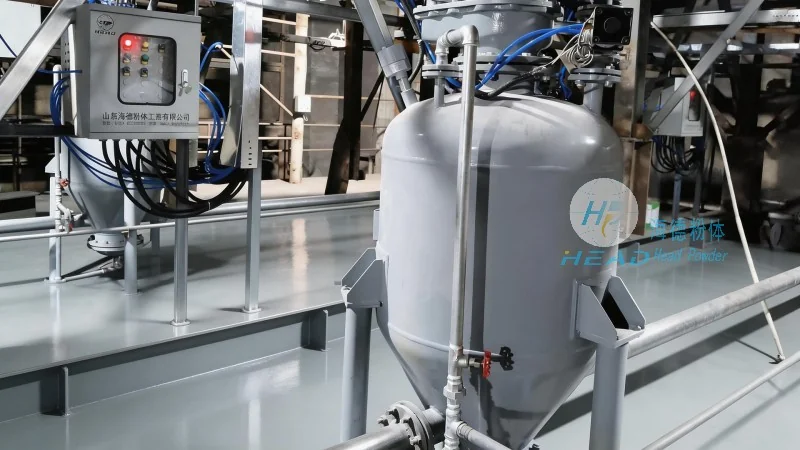
The effectiveness of brown sugar pneumatic conveying lines has been demonstrated in various industrial applications. For example, a large sugar processing plant in China used a HeadPowder pneumatic conveying system to transport brown sugar from storage silos to packaging lines. The system was designed to handle 10 tons of sugar per hour, with a positive pressure system and stainless steel components. The plant reported a 20% increase in production efficiency and a 15% reduction in labor costs after implementing the system. Another case study involved a small-scale brown sugar manufacturer that used a compact pneumatic conveying line to transport sugar from a grinding mill to a drying oven. The system was customized to handle the manufacturer's specific production volume and was equipped with a cyclone separator and a dust collector. The manufacturer noted improved product quality and reduced dust accumulation in the facility. These examples highlight the versatility and effectiveness of pneumatic conveying systems in the brown sugar industry.
Conclusion and Company Information
Brown sugar material pneumatic conveying lines are essential equipment for modern sugar processing facilities, offering efficient, hygienic, and cost-effective material transport solutions. The design principles and components of these systems are tailored to the unique properties of brown sugar, ensuring optimal performance and product quality. By leveraging advanced technology and careful engineering, manufacturers can enhance their production processes and meet the demands of the market. Shandong HeadPowder Engineering Co., Ltd., a leading provider of pneumatic conveying systems, specializes in designing and manufacturing customized solutions for the food industry. With years of experience and a commitment to quality, HeadPowder delivers reliable and efficient conveying lines that meet the highest standards of hygiene and performance. Located in Shandong, China, HeadPowder serves clients worldwide, providing tailored solutions to meet their specific material handling needs. Whether for large-scale production or small-scale operations, HeadPowder's pneumatic conveying systems offer a superior alternative to traditional transport methods, ensuring the smooth and efficient handling of brown sugar and other food products.