

Operating Process and Working Principle of Adipic Acid Material Handling System
Adipic acid, a crucial chemical intermediate widely utilized in the production of nylon and other polymers, necessitates efficient and reliable material handling systems to ensure smooth industrial operations. The material handling system for adipic acid, engineered by Shandong HeadPowder Engineering Co., Ltd., is designed to meet the stringent demands of modern chemical processing facilities. This article provides a detailed overview of the operating process and working principle of the adipic acid material handling system, highlighting its key components, operational flow, and technical advantages.
Introduction to the Adipic Acid Material Handling System
Shandong HeadPowder Engineering Co., Ltd., a leading provider of chemical engineering solutions, specializes in designing and manufacturing advanced material handling systems tailored to the needs of the chemical industry. The adipic acid material handling system is a critical component in adipic acid production lines, responsible for the safe and efficient transfer of raw materials and finished products. The system integrates various equipment such as conveyor belts, storage tanks, and control systems to ensure seamless material flow from storage to processing units. By leveraging cutting-edge technology and robust engineering, HeadPowder ensures that the adipic acid material handling system operates with high efficiency and minimal downtime.
Key Components of the Adipic Acid Material Handling System
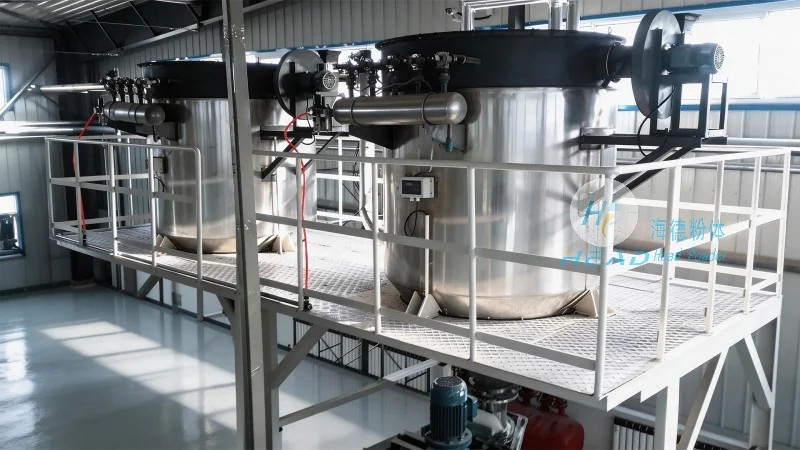
The adipic acid material handling system consists of several key components that work in tandem to achieve optimal performance. These components include bulk material storage tanks, pneumatic conveying systems, rotary valves, and material transfer pipelines. The storage tanks are designed to hold large quantities of adipic acid, ensuring a consistent supply to the processing units. The pneumatic conveying system uses compressed air to transport the material from the storage tanks to the processing equipment, minimizing the risk of dust contamination and ensuring a clean transfer process. Rotary valves are used to control the flow of material from the storage tanks to the conveying system, providing precise control over the material discharge rate. The material transfer pipelines are made of corrosion-resistant materials to withstand the acidic nature of adipic acid and prevent leakage or contamination.
Operating Process of the Adipic Acid Material Handling System
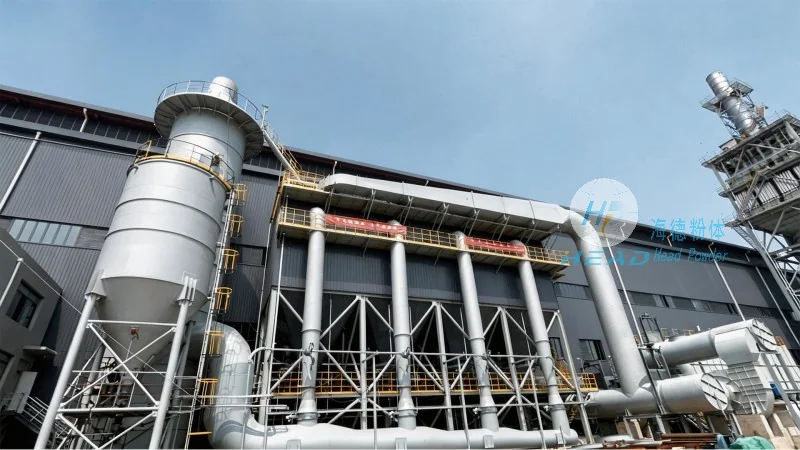
The operating process of the adipic acid material handling system begins with the loading of raw materials into the bulk storage tanks. The system then uses the pneumatic conveying system to transfer the material from the storage tanks to the processing units. The rotary valves regulate the flow rate of the material, ensuring that the processing units receive a consistent supply. The material is then processed through various stages, including filtration, distillation, and polymerization, before being packaged and stored. The system is equipped with advanced control systems that monitor the flow rate, pressure, and temperature of the material, ensuring that the process operates within safe and optimal parameters. The control systems also provide real-time data on the system's performance, allowing operators to make informed decisions and adjust the process as needed.
Working Principle of the Adipic Acid Material Handling System
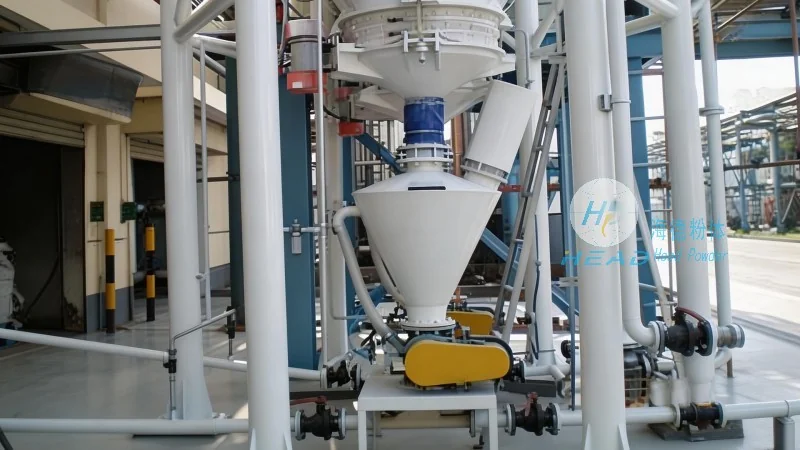
The working principle of the adipic acid material handling system is based on the principles of pneumatic conveying and material flow control. The system uses compressed air to create a pressure differential that drives the material through the conveying pipelines. The rotary valves control the flow of material from the storage tanks to the conveying system, ensuring that the material is transferred at a controlled rate. The storage tanks are designed to maintain a consistent pressure and temperature, which helps to prevent the material from solidifying or caking. The control systems monitor the system's performance and adjust the air pressure and flow rate as needed to maintain optimal operation. The system also includes safety features such as pressure relief valves and emergency shut-off systems to prevent accidents and ensure the safety of the operators and the environment.
Technical Advantages of the Adipic Acid Material Handling System
The adipic acid material handling system developed by Shandong HeadPowder Engineering Co., Ltd. offers several technical advantages that make it an ideal solution for adipic acid production facilities. The system is designed to be highly efficient, with minimal energy consumption and low maintenance costs. The use of corrosion-resistant materials ensures that the system can withstand the harsh conditions of adipic acid processing, reducing the risk of equipment failure and downtime. The advanced control systems provide real-time monitoring and control, allowing operators to optimize the process and improve productivity. The system also includes safety features that comply with international standards, ensuring that the operation is safe and environmentally friendly. Additionally, the system is designed to be scalable, allowing it to be customized to meet the specific needs of different production facilities.
Conclusion
In conclusion, the adipic acid material handling system developed by Shandong HeadPowder Engineering Co., Ltd. is a highly efficient and reliable solution for the material handling needs of adipic acid production facilities. The system integrates advanced technology and robust engineering to ensure smooth and safe operation, with minimal downtime and low maintenance costs. By leveraging the expertise of HeadPowder, chemical processing facilities can improve their productivity and reduce their operational costs, making the adipic acid material handling system a valuable investment for any adipic acid production line.