HeadPowder, a leading engineering company based in Shandong, China, specializes in the design and manufacturing of advanced pneumatic conveying systems for colored sand applications. This article provides a detailed overview of the design principles, key components, and operational advantages of such equipment, tailored for industrial environments requiring efficient and reliable material handling solutions.
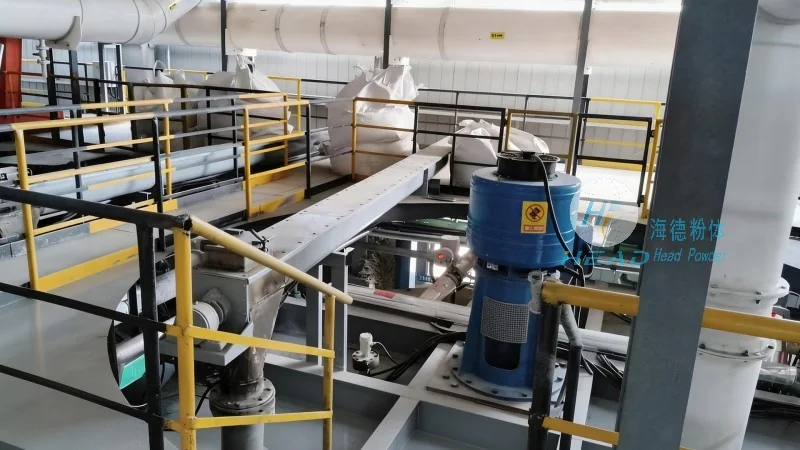
Key Components of the Pneumatic Conveying System
The colored sand pneumatic conveying system consists of several critical components that work in tandem to ensure optimal performance. The primary elements include a hopper for material storage, a rotary valve or feeder to control the flow of colored sand, a conveying pipeline network, a positive displacement blower or air compressor to generate the necessary air pressure, and a dust collector or filter to maintain air quality and comply with environmental regulations. Each component is engineered to handle the specific characteristics of colored sand, such as its particle size, density, and moisture content, ensuring consistent and efficient transport.
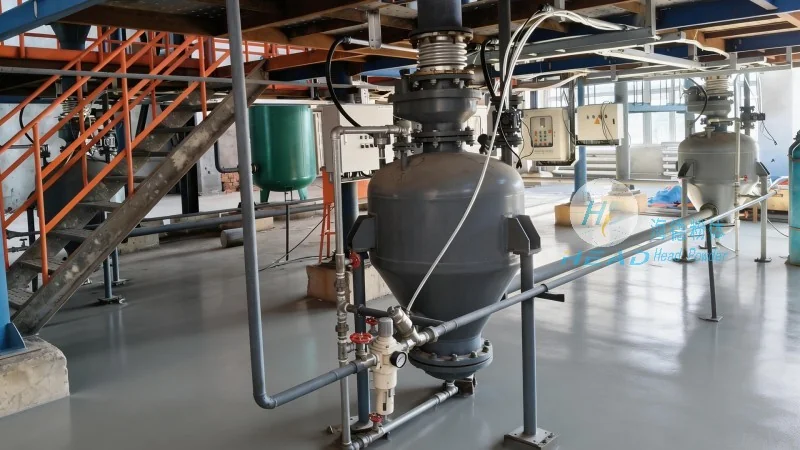
Design Considerations for Efficient Material Handling
When designing a pneumatic conveying system for colored sand, several factors must be carefully considered to maximize efficiency and minimize operational costs. The system's design must account for the material's flow properties, including its angle of repose and cohesive behavior, to prevent blockages or uneven flow. The selection of appropriate air velocity and pressure is crucial; too low a velocity may cause material settling, while too high a pressure can lead to excessive energy consumption and equipment wear. Additionally, the system's layout, including the length and diameter of the conveying pipeline, the number of bends, and the placement of components, must be optimized to minimize pressure losses and ensure smooth material transport.
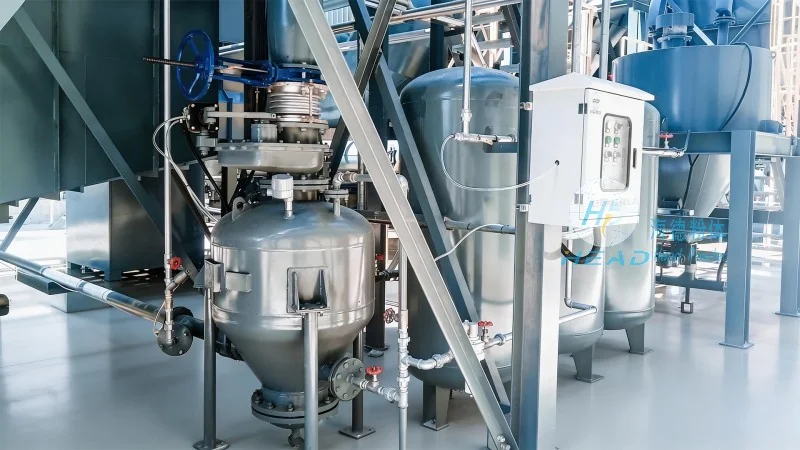
Advantages of Pneumatic Conveying for Colored Sand
Compared to traditional mechanical conveying methods, such as belt conveyors or screw conveyors, pneumatic conveying offers several distinct advantages for colored sand applications. One of the most significant benefits is the ability to transport materials in a closed system, which prevents dust contamination and protects the material from exposure to the environment. This is particularly important for colored sand, as contamination can affect the final product's color consistency and quality. Another advantage is the flexibility of the system, which allows for easy integration with existing production lines and the ability to transport materials over long distances or through multiple processing stages without the need for intermediate storage or transfer points. Furthermore, pneumatic conveying systems are generally more energy-efficient than mechanical systems, especially for short to medium distance transport, and can handle a wide range of material types and sizes with minimal maintenance.
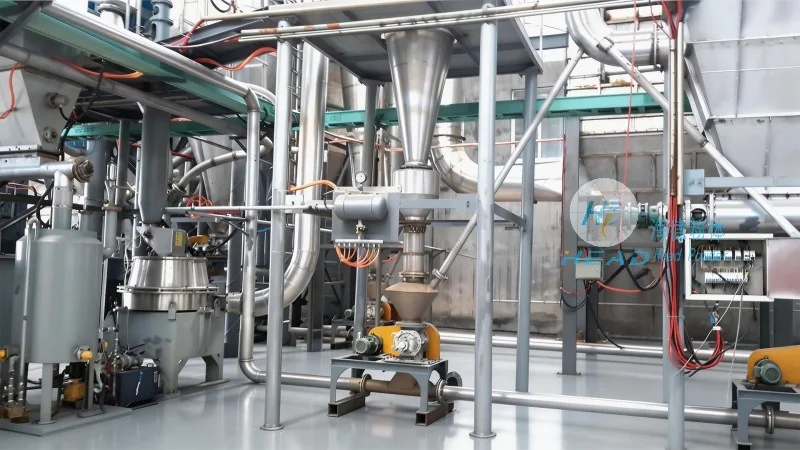
Operational Performance and Maintenance
The performance of a colored sand pneumatic conveying system is directly influenced by its design and the quality of its components. Regular maintenance is essential to ensure consistent operation and to prevent downtime. Key maintenance tasks include cleaning the hopper and feeder to prevent material buildup, inspecting and replacing worn parts on the rotary valve or blower, and checking the condition of the conveying pipeline and filters. The system's control system, which regulates air pressure, flow rate, and material feed, must also be regularly calibrated to maintain optimal performance. By adhering to a proper maintenance schedule, the system can achieve high reliability and long service life, making it a cost-effective solution for industrial applications.




