Multi-hopper pneumatic conveying systems are advanced industrial solutions designed to efficiently transport bulk materials over long distances with minimal maintenance and operational complexity. This article provides a detailed overview of the operation process and working principles of such systems, highlighting key components and their interplay to ensure reliable material handling. The information is presented by Shandong HeadPowder Engineering Co., Ltd., a leading manufacturer based in China, with the company's headquarters located in Shandong Province.
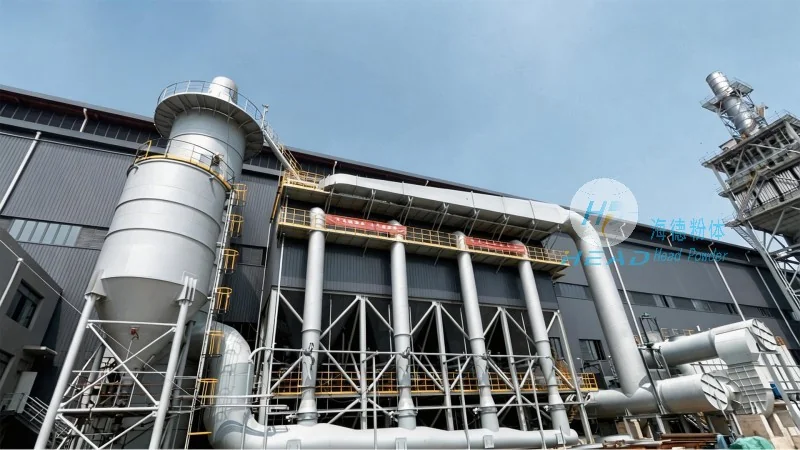
Company Information and Background
Shandong HeadPowder Engineering Co., Ltd. specializes in the design, manufacturing, and installation of pneumatic conveying equipment tailored to diverse industrial applications. With a strong focus on innovation and customer satisfaction, the company has established itself as a trusted partner in the bulk material handling sector. HeadPowder's multi-hopper systems are engineered to meet stringent industry standards, ensuring durability, efficiency, and compliance with safety regulations. The company's operational base is situated in Shandong, China, providing a strategic advantage for serving clients both domestically and internationally.
Core Components of a Multi-Hopper Pneumatic Conveying System
A multi-hopper pneumatic conveying system typically consists of several critical components that work in tandem to facilitate material transport. The primary elements include: 1. **Hoppers**: These are storage vessels where bulk materials are loaded before being conveyed. Each hopper is equipped with a discharge valve that controls the material flow into the system. 2. **Pneumatic Conveying Pumps (or Air Lock Valves)**: These devices are responsible for creating the pressure differential necessary to move materials through the pipeline. In multi-hopper systems, individual pumps are often used for each hopper to maintain independent control over material discharge. 3. **Conveying Pipelines**: The network of pipes that transports the material from the hoppers to the discharge point. The pipe diameter and material are selected based on the characteristics of the bulk material and the required conveying distance. 4. **Air Compressors and Filtration Systems**: These components generate the compressed air needed to create the pressure differential and also filter out contaminants to protect the system from damage. 5. **Control Systems**: Advanced control panels that monitor and regulate the operation of the entire system, ensuring smooth and safe material transfer.
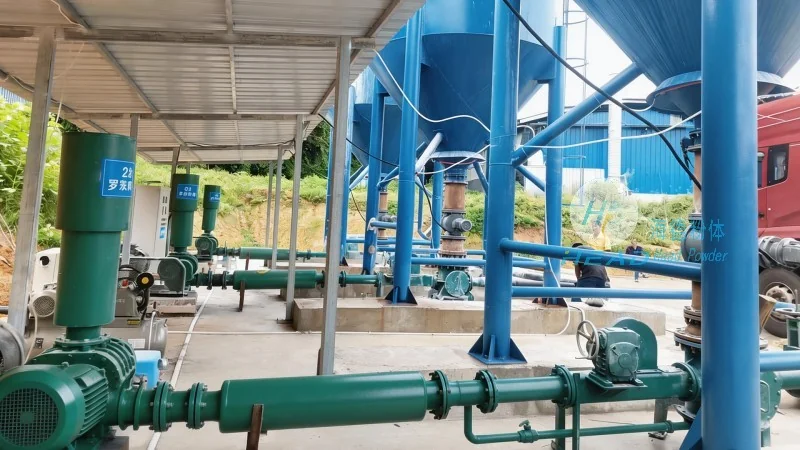
Working Principle of the System
The operation of a multi-hopper pneumatic conveying system is based on the principle of pneumatic transport, where materials are suspended and carried by a stream of air within the conveying pipeline. The process begins with the loading of bulk materials into the hoppers. When the discharge valve of a specific hopper is activated, the material is released into the pneumatic conveying pump. Simultaneously, the air compressor supplies compressed air to the pump, creating a pressure difference between the hopper and the pipeline. This pressure differential forces the material to be drawn into the pipeline, where it is carried by the air stream to the discharge point. The control system continuously monitors the pressure, flow rate, and material level in each hopper, adjusting the air supply and discharge rates as needed to maintain optimal operation. The system can handle various types of bulk materials, including powders, granules, and fine particles, with minimal degradation or loss.
Operation Process Step-by-Step
The operation process of a multi-hopper pneumatic conveying system involves several sequential steps that ensure efficient and reliable material transport. The following is a detailed breakdown of the typical workflow: 1. **Material Loading**: Bulk materials are fed into the hoppers from a storage silo or direct from the production line. The hoppers are designed to accommodate the specific volume and density of the material, ensuring stable loading conditions. 2. **System Initialization**: The control system is activated, and the air compressor is started to generate the necessary compressed air. The system pressure is monitored and adjusted to the optimal level for the selected material. 3. **Individual Hopper Operation**: The discharge valve of a designated hopper is opened, and the pneumatic pump is activated. The material is discharged from the hopper into the pipeline, where it is conveyed to the next hopper or the final discharge point. 4. **Material Transfer Between Hoppers**: In multi-hopper systems, materials may need to be transferred from one hopper to another before reaching the final destination. The control system coordinates the operation of multiple pumps and valves to ensure smooth transfer without interruption. 5. **Discharge and Unloading**: At the end of the pipeline, the material is discharged into a receiving hopper or storage container. The system continues to operate until the material level in the source hopper is depleted or the desired quantity has been conveyed. 6. **System Shutdown**: Once the operation is complete, the control system is deactivated, and the air compressor is turned off. The system is then prepared for the next batch of material, with any residual material being cleared from the hoppers and pipelines.
Advantages of Multi-Hopper Pneumatic Conveying Systems
Multi-hopper pneumatic conveying systems offer several advantages over traditional material handling methods, making them ideal for a wide range of industrial applications. Some key benefits include: 1. **Efficient Material Transport**: The system can convey bulk materials over long distances with high throughput rates, reducing the need for multiple transfer points and minimizing material handling time. 2. **Low Maintenance Requirements**: The components are designed for durability and minimal wear, resulting in lower maintenance costs and longer service life. 3. **Versatility**: The system can handle various types of materials, including abrasive or corrosive substances, with appropriate adjustments to the equipment. 4. **Space Efficiency**: The compact design of the system allows for installation in limited spaces, making it suitable for facilities with restricted layout. 5. **Environmental Benefits**: The enclosed system reduces dust emissions and contamination, improving workplace safety and environmental compliance. 6. **Cost-Effectiveness**: Over time, the system provides significant cost savings due to reduced labor, energy consumption, and material loss.
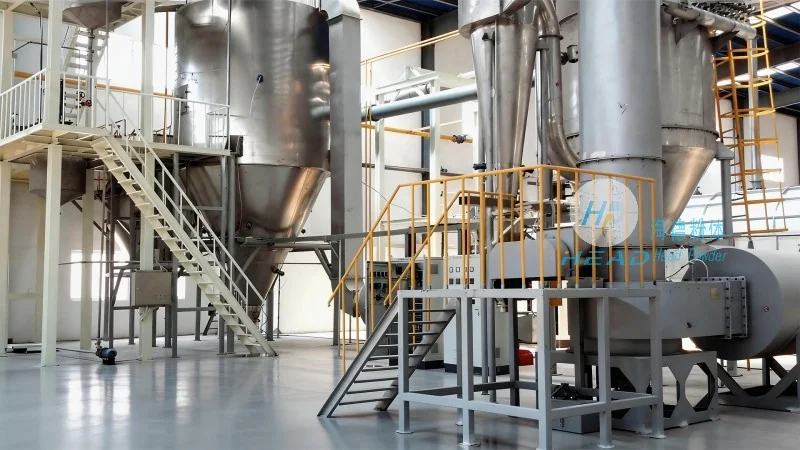
Applications and Industries
Multi-hopper pneumatic conveying systems are widely used in various industries where bulk materials need to be transported efficiently and safely. Some common applications include: 1. **Food and Beverage Industry**: Conveying ingredients such as flour, sugar, and spices in food processing plants. 2. **Pharmaceutical Industry**: Handling powders and granules in pharmaceutical manufacturing, ensuring strict hygiene and contamination control. 3. **Chemical Industry**: Transporting chemicals, pigments, and other bulk materials in chemical processing facilities. 4. **Mining and Minerals Industry**: Conveying ores, minerals, and other raw materials from mines to processing plants. 5. **Cement and Construction Industry**: Transporting cement, sand, and other construction materials to building sites. 6. **Plastics and Rubber Industry**: Handling polymer powders and granules in manufacturing processes.
Conclusion
Multi-hopper pneumatic conveying systems represent a sophisticated and efficient solution for bulk material handling, offering numerous benefits in terms of performance, reliability, and cost-effectiveness. By understanding the operation process and working principles of such systems, industries can optimize their material transport operations and enhance overall productivity. Shandong HeadPowder Engineering Co., Ltd. continues to innovate and provide high-quality multi-hopper systems tailored to the specific needs of its clients, ensuring reliable and sustainable material handling solutions for the future.




