HeadPowder, a leading enterprise in the field of material handling and processing, specializes in the design, manufacturing, and installation of advanced pneumatic conveying systems. Based in Shandong, China, the company has established itself as a trusted provider of efficient and reliable solutions for various industrial applications. This article delves into the operation process and working principle of an automatic material feeding pneumatic conveying system, highlighting the key components, operational steps, and technical advantages that make such systems indispensable in modern industrial settings.
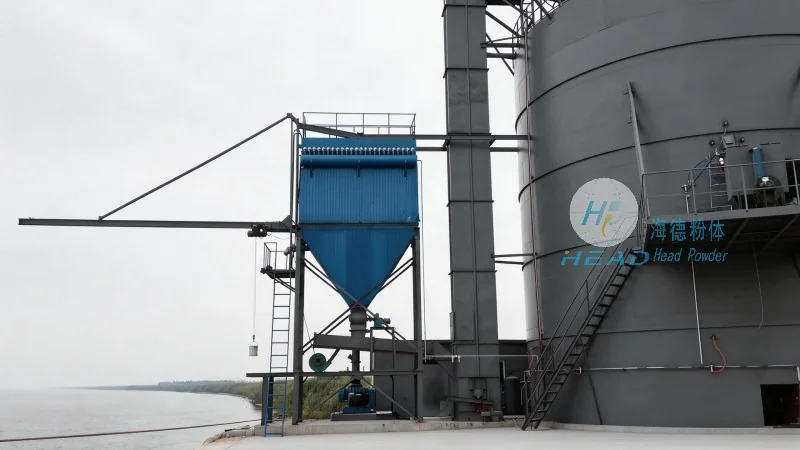
Company Overview and Expertise
HeadPowder Engineering Co., Ltd. is headquartered in Shandong, China, and has built a strong reputation for delivering high-quality material handling solutions. With years of experience in the industry, the company focuses on innovation and precision engineering to meet the diverse needs of clients across different sectors. The expertise of HeadPowder lies in the development of customized pneumatic conveying systems that enhance productivity, ensure material integrity, and reduce operational costs for businesses.
Understanding Pneumatic Conveying Systems
Pneumatic conveying systems utilize air or other gases to transport bulk materials from one location to another. These systems are widely used in industries such as food, pharmaceuticals, chemicals, and minerals due to their ability to handle a wide range of materials, including powders, granules, and fine particles. The core of an automatic material feeding pneumatic conveying system is the integration of feeding mechanisms, conveying lines, and control systems to achieve seamless material transfer.
Key Components of the System
The automatic material feeding pneumatic conveying system consists of several critical components that work in harmony to ensure efficient operation. These include:
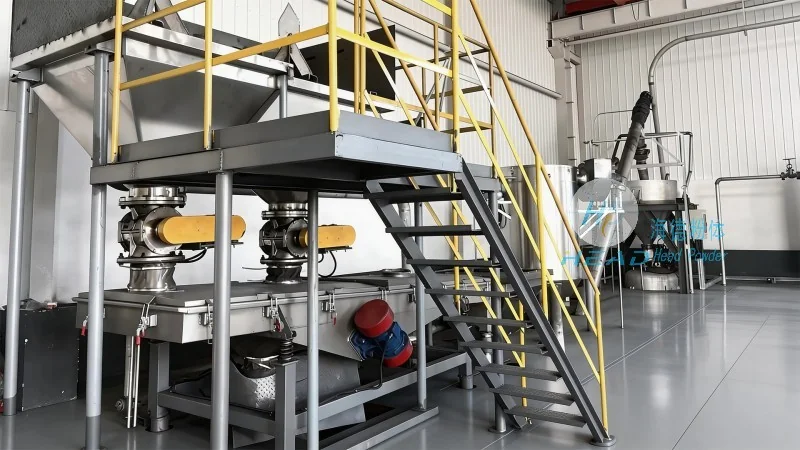
- Feeding Hopper: A container that stores the material to be conveyed. It is designed to maintain a consistent material level and prevent clogging, ensuring a steady flow of material into the system.
- Feeder: The device responsible for controlling the flow rate of material from the hopper. Common types include screw feeders, rotary valves, and vibratory feeders, which are selected based on the material characteristics and required flow rates.
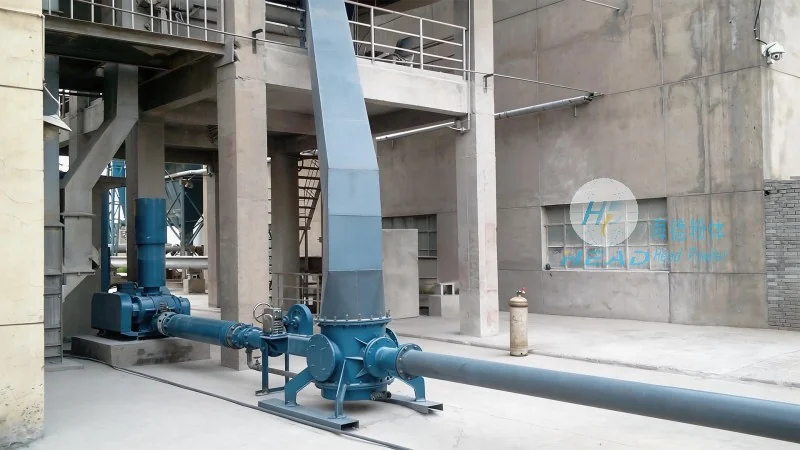
- Pneumatic Conveying Line: The pipeline through which the material is transported. It can be classified into positive pressure, negative pressure, or a combination of both, depending on the system design and material properties.
- Air Compressor and Blower: The power source that generates the air or gas flow necessary to move the material. The choice of compressor or blower depends on the system's pressure requirements and the material's density and particle size.
- Control System: An automated system that monitors and regulates the operation of the conveying process. It includes sensors, valves, and a control panel to ensure precise control over material flow, pressure, and air volume.
- Receiving Hopper: The container at the end of the conveying line where the material is deposited. It is designed to handle the incoming material and may include features like level sensors to indicate when the hopper is full.
Operation Process of the Automatic Material Feeding System
The operation of an automatic material feeding pneumatic conveying system follows a systematic sequence of steps to ensure smooth and continuous material transfer. The process begins with the material being loaded into the feeding hopper. The feeder then regulates the flow of material into the pneumatic conveying line, where it is mixed with the air or gas stream. The air compressor or blower generates the necessary pressure to move the material through the pipeline. As the material travels, it is carried by the air flow and deposited into the receiving hopper at the destination. The control system continuously monitors the pressure, flow rate, and material level, adjusting the operation as needed to maintain optimal performance.
Working Principle: How the System Transports Materials
The working principle of the automatic material feeding pneumatic conveying system is based on the principles of fluid dynamics and particle transport. When the feeder releases material into the conveying line, the air flow creates a low-pressure zone that draws the material into the pipeline. The material particles are suspended in the air stream and transported through the line. The velocity of the air flow is crucial; it must be sufficient to keep the particles in suspension but not so high as to cause excessive wear on the system components. The system's design, including the diameter of the conveying line and the air velocity, is optimized to ensure efficient material transport while minimizing energy consumption and wear.
Advantages of Automatic Material Feeding Pneumatic Conveying Systems
Implementing an automatic material feeding pneumatic conveying system offers several advantages that contribute to improved operational efficiency and cost savings. These benefits include:
- Enhanced Productivity: The automated feeding and conveying process reduces manual intervention, allowing for continuous operation and higher throughput.
- Improved Material Integrity: Pneumatic conveying systems minimize material degradation and contamination compared to other methods like belt conveyors or bucket elevators.
- Space Efficiency: These systems can be installed in confined spaces and can handle vertical and horizontal material transport, making them suitable for various plant layouts.
- Reduced Labor Costs: Automation reduces the need for manual labor in material handling, leading to lower operational costs and increased safety.
- Customization and Flexibility: HeadPowder provides customized solutions tailored to specific material characteristics and application requirements, ensuring optimal performance.
Applications and Industries
Automatic material feeding pneumatic conveying systems are widely used across various industries due to their versatility and efficiency. Some common applications include:
- Food and Beverage Industry: Transporting powders like flour, sugar, and spices, as well as granules like coffee beans and nuts, with strict hygiene standards.
- Pharmaceutical Industry: Handling active pharmaceutical ingredients (APIs) and other sensitive materials, where contamination control and material purity are critical.
- Chemical Industry: Conveying chemicals, pigments, and other powders, often requiring explosion-proof designs and material compatibility.
- Mineral and Mining Industry: Transporting ores, minerals, and other bulk materials from processing plants to storage or further processing units.
- Plastics and Rubber Industry: Handling raw materials like plastic pellets and rubber compounds, ensuring consistent quality and preventing material degradation.
Conclusion
HeadPowder Engineering Co., Ltd. offers advanced automatic material feeding pneumatic conveying systems that combine cutting-edge technology with reliable performance. Based in Shandong, China, the company leverages its expertise to design and manufacture customized solutions that meet the unique needs of industrial clients. By understanding the operation process and working principle of these systems, businesses can enhance their material handling capabilities, improve productivity, and achieve cost savings. The integration of automated feeding mechanisms, efficient pneumatic conveying, and intelligent control systems makes such systems a vital component in modern industrial operations.




