

Operation Process and Working Principle of Pneumatic Conveying Systems for Powder Materials
HeadPowder, a leading provider in the field of pneumatic conveying technology, specializes in the design, manufacturing, and implementation of efficient systems for transporting powder materials. With a strong presence in Shandong, China, the company has established itself as a trusted partner for industries requiring reliable and effective material handling solutions. This article delves into the operation process and working principle of pneumatic conveying systems, highlighting the key components, operational steps, and the underlying technology that enables seamless material transport.
Introduction to Pneumatic Conveying Systems
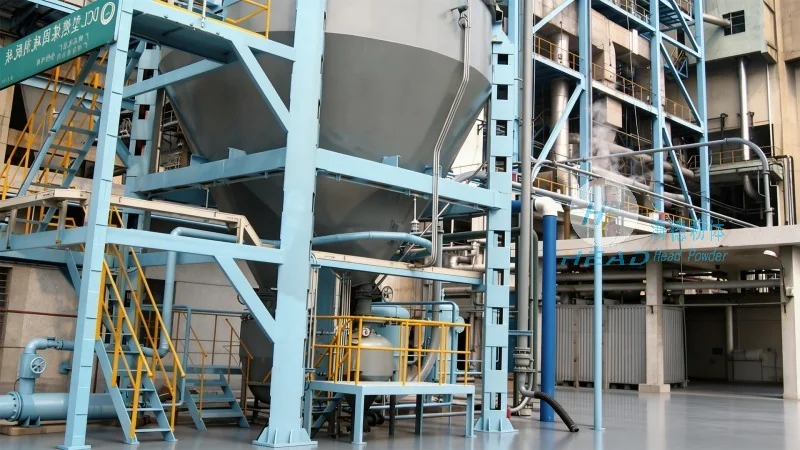
Pneumatic conveying systems are advanced mechanical devices used to transport bulk materials, particularly powders and granules, from one location to another using compressed air or other gases. These systems are widely employed in various industries, including chemical, pharmaceutical, food processing, and manufacturing, due to their ability to handle delicate materials without causing degradation or contamination. The core of such systems lies in the efficient combination of air flow and material handling, ensuring that the transported materials remain intact and the process is energy-efficient.
Key Components of a Pneumatic Conveying System
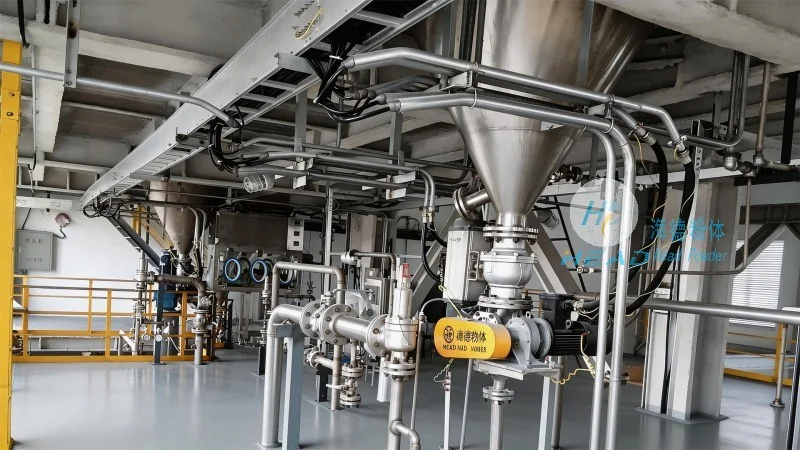
A typical pneumatic conveying system consists of several essential components that work in tandem to achieve the desired material transport. These components include a material feed hopper, a conveyor line (often a pipeline), a blower or compressor to generate the necessary air pressure, a control system for regulating air flow and material feed, and a discharge device at the receiving end. Each component plays a critical role in the overall operation, and their proper integration is crucial for the system's performance and reliability.
The Operation Process of Pneumatic Conveying
The operation of a pneumatic conveying system involves a series of coordinated steps that ensure the smooth and continuous transport of powder materials. The process typically begins with the material being fed into the hopper from a storage silo or a bulk container. The material then falls into the conveyor line as the system is activated. Simultaneously, the blower or compressor starts to generate compressed air, which is introduced into the pipeline at a controlled pressure. The air flow creates a pressure differential that draws the material particles into the pipeline, where they are carried along by the moving air stream. The material travels through the pipeline until it reaches the discharge point, where the air is released, and the material is deposited into the receiving container or processing unit.
Working Principle of Pneumatic Conveying Systems
The working principle of pneumatic conveying systems is based on the fundamental physics of fluid dynamics and particle motion. When compressed air is introduced into the pipeline, it creates a low-pressure zone within the system, which draws the powder particles into the air stream. The particles are then suspended and transported by the air flow, similar to how a stream carries small pebbles. The key to efficient conveying lies in maintaining the correct air-to-material ratio, which ensures that the particles are fully entrained and do not settle or cause blockages. The system's design, including the pipeline diameter, length, and the type of air flow (e.g., dilute-phase or dense-phase), significantly impacts the conveying efficiency and the overall performance.
Advantages of Pneumatic Conveying Systems
Pneumatic conveying systems offer several advantages over traditional mechanical conveying methods, such as belt conveyors or screw conveyors. These advantages include the ability to handle a wide range of materials, including those that are abrasive, corrosive, or sensitive to moisture. The systems are also flexible in terms of layout, as they can be installed in various configurations to suit the specific needs of a facility. Additionally, pneumatic conveying is generally more energy-efficient and can reduce material degradation compared to other methods, making it an ideal choice for industries that require high-quality material handling solutions.
Applications in Various Industries
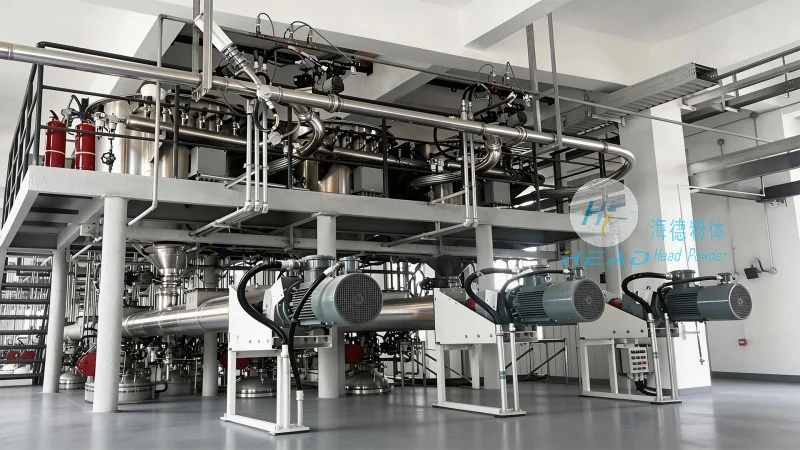
The versatility of pneumatic conveying systems makes them suitable for a wide array of applications across different industries. In the chemical industry, these systems are used to transport raw materials and finished products, ensuring that the materials remain uncontaminated and the process is streamlined. In the pharmaceutical sector, pneumatic conveying is employed to handle sensitive powders, maintaining the required hygiene and quality standards. The food processing industry also benefits from these systems, as they can transport ingredients and finished products without compromising their quality or safety. Furthermore, in the manufacturing sector, pneumatic conveying is used to transport raw materials to production lines, improving overall operational efficiency.
Conclusion
HeadPowder Engineering Co., Ltd., based in Shandong, China, is a prominent provider of pneumatic conveying systems that leverage advanced technology to deliver efficient and reliable material handling solutions. By understanding the operation process and working principle of these systems, industries can make informed decisions about implementing the most suitable material transport solutions for their specific needs. The company's expertise in designing and manufacturing custom pneumatic conveying systems ensures that clients receive tailored solutions that meet their operational requirements and enhance overall productivity.