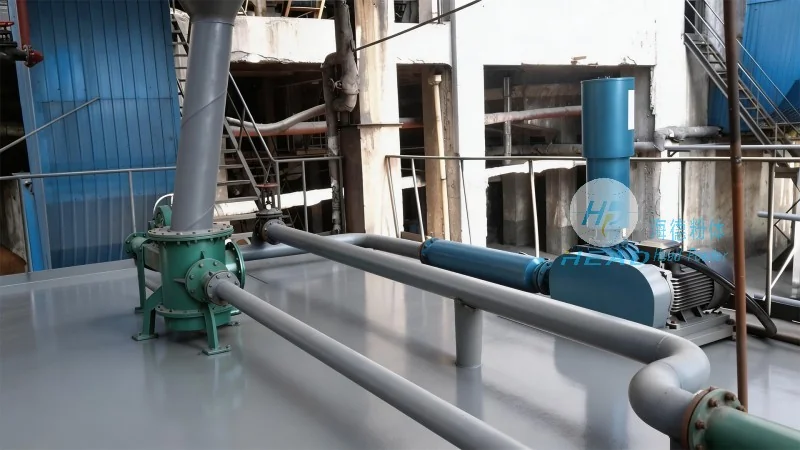
Pneumatic conveying is a widely used method for transporting bulk materials, including polyethylene resin powders, from one location to another. This technology utilizes air or gas to move particles through a pipeline system, offering advantages such as flexibility, efficiency, and the ability to handle materials in a closed environment. Understanding the principles and applications of polyethylene resin powder pneumatic conveying is crucial for industries that rely on this material for manufacturing processes.
Introduction to Polyethylene Resin Powder Pneumatic Conveying
Polyethylene resin powder, a key raw material in many industrial applications, requires reliable and efficient handling systems to ensure smooth production. Pneumatic conveying systems provide an effective solution by transporting the resin powder through a network of pipes using compressed air. The process involves generating a flow of air that lifts and moves the powder particles, typically in a dilute-phase or dense-phase mode, depending on the material characteristics and system design. This method not only enhances material transfer efficiency but also minimizes contamination and dust exposure, making it suitable for various manufacturing environments.
Classification of Pneumatic Conveying Systems
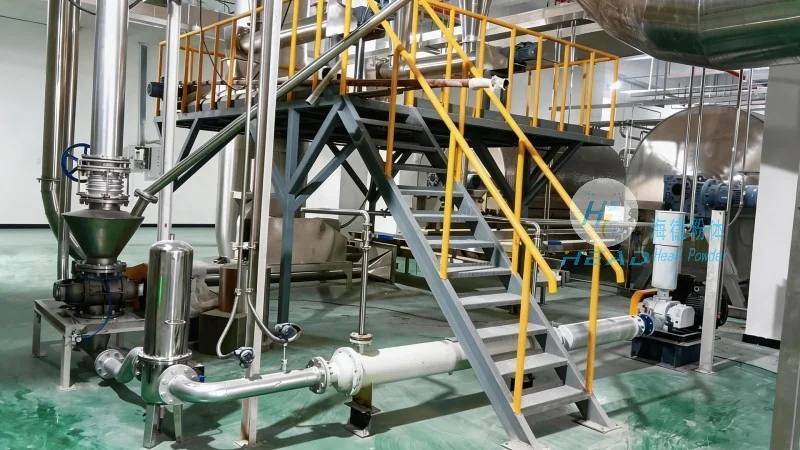
Pneumatic conveying systems are generally classified into two main categories: dilute-phase and dense-phase systems. Dilute-phase systems operate at higher air velocities, typically moving particles in a dispersed state, which is suitable for materials with good flow characteristics and lower particle size. Dense-phase systems, on the other hand, use lower air velocities and higher particle concentrations, ensuring more controlled and gentle material transport. For polyethylene resin powders, the choice between these systems depends on factors such as particle size distribution, moisture content, and the distance to be covered. The dilute-phase system is often preferred for shorter distances and materials with good flowability, while dense-phase systems are used for longer distances or materials that are prone to bridging or segregation.
Applications of Pneumatic Conveying in Polyethylene Resin Powder Handling
The applications of pneumatic conveying in polyethylene resin powder handling span across various industries, including plastics manufacturing, packaging, and construction. In the plastics industry, for instance, polyethylene resin powders are conveyed from storage silos to processing machines, ensuring a continuous supply of raw material. This system helps maintain consistent material quality by preventing exposure to moisture and contaminants. In packaging operations, pneumatic conveying is used to transport resin powders to blending and compounding units, facilitating the production of customized plastic compounds. Additionally, in construction, polyethylene resin powders are used in the production of plastic pipes and films, where pneumatic conveying systems ensure efficient material transfer from storage to production lines. The versatility of pneumatic conveying makes it an essential technology for optimizing the handling of polyethylene resin powders in diverse industrial settings.
About HeadPowder: Your Trusted Partner in Pneumatic Conveying Solutions
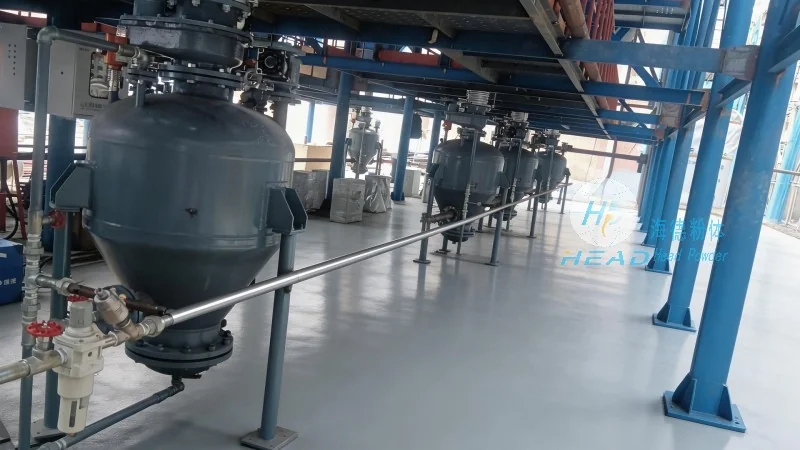
Shandong HeadPowder Engineering Co., Ltd., based in China, specializes in providing advanced pneumatic conveying solutions tailored to the needs of polyethylene resin powder handling. With years of experience in the industry, HeadPowder offers customized systems that meet the specific requirements of clients, ensuring efficient and reliable material transport. The company's expertise lies in designing and manufacturing systems that enhance productivity while maintaining material integrity. HeadPowder's commitment to quality and innovation has made it a leading provider of pneumatic conveying equipment for industries relying on polyethylene resin powders. By leveraging their knowledge and experience, HeadPowder helps clients optimize their material handling processes, reduce operational costs, and improve overall efficiency.




