

What is Arsenic Trioxide Pneumatic Conveying? Classification and Applications of Pneumatic Conveying
Pneumatic conveying, also known as air conveying, is a method used to transport bulk materials through a pipeline using air or other gas as the conveying medium. In the context of arsenic trioxide (As₂O₃), a highly toxic and reactive compound, pneumatic conveying offers a safe and efficient means of handling this hazardous material. As₂O₃ is commonly used in pharmaceuticals, chemical manufacturing, and other industrial applications, making its transport a critical process that requires specialized equipment and protocols. The process involves creating a flow of air within a pipeline, which draws or pushes the material through the system, ensuring minimal exposure to operators and preventing contamination. This method is particularly advantageous for handling fine powders like arsenic trioxide, which can be difficult to manage with traditional mechanical conveying methods.
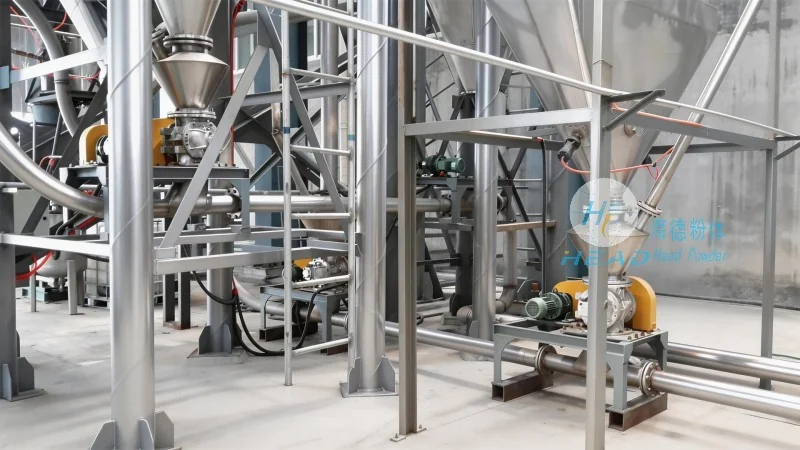
Classification of Pneumatic Conveying Systems
Pneumatic conveying systems are typically classified based on the pressure within the pipeline and the direction of material flow. The two primary categories are vacuum (or suction) systems and positive pressure (or pressure) systems. Vacuum systems use a vacuum pump to create a negative pressure that draws material from a hopper or storage bin into the pipeline. This method is suitable for short distances and low material loads, as the suction force is limited. Positive pressure systems, on the other hand, use a blower or compressor to generate positive pressure that pushes material through the pipeline. These systems are more powerful and can handle longer distances and higher material volumes, making them ideal for industrial-scale applications. Additionally, there are hybrid systems that combine elements of both vacuum and positive pressure, offering flexibility in material handling. For arsenic trioxide, the choice of system depends on factors such as the distance between the source and destination, the volume of material to be transported, and the need for containment and safety.
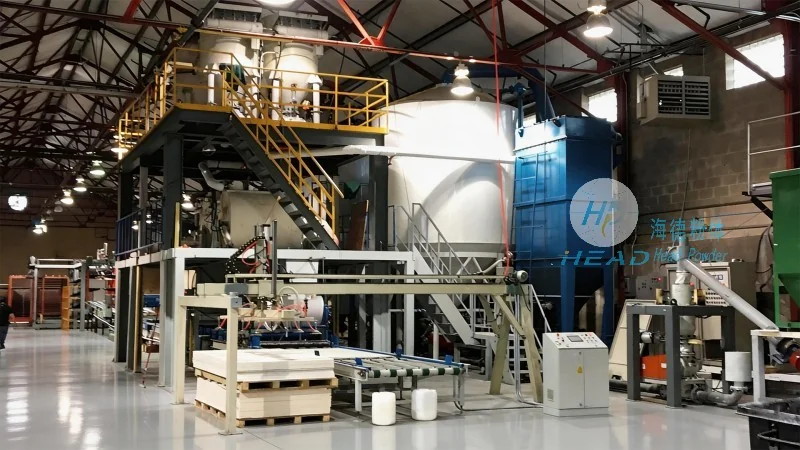
Applications of Pneumatic Conveying in Arsenic Trioxide Handling
The use of pneumatic conveying for arsenic trioxide is widespread across various industries due to its effectiveness in managing the material's properties. In pharmaceutical manufacturing, for example, arsenic trioxide is used as a key ingredient in certain drugs, and pneumatic conveying ensures that the material is transported from raw material storage to production lines without contamination or exposure to personnel. The system allows for precise control over the flow rate and quantity of the material, which is crucial for maintaining product quality and consistency. In chemical plants, arsenic trioxide is often used in the production of other chemicals, and pneumatic conveying facilitates the transfer of the material between reactors and storage tanks. This method reduces the risk of dust exposure and improves overall operational efficiency. Furthermore, in research and development settings, small-scale pneumatic conveying systems are used to handle arsenic trioxide for laboratory testing, ensuring that the material is handled safely and efficiently. The applications extend to environmental and waste management, where arsenic trioxide may need to be transported from treatment facilities to disposal sites. In all these scenarios, pneumatic conveying provides a reliable and safe solution for transporting arsenic trioxide, minimizing the risks associated with handling this hazardous substance.
Key Considerations for Arsenic Trioxide Pneumatic Conveying
When implementing a pneumatic conveying system for arsenic trioxide, several critical factors must be considered to ensure safety, efficiency, and compliance with regulations. First, the material's properties, such as its particle size, density, and moisture content, play a significant role in system design. Arsenic trioxide is a fine powder with a high density, which can affect the flow characteristics and require specialized equipment to prevent clogging or blockages. The system must be designed to handle these properties effectively, using appropriate pipeline materials and flow control devices. Second, safety is paramount due to the toxicity of arsenic trioxide. The system must include features such as sealed containers, filtration systems, and emergency shutdown mechanisms to prevent leaks and exposure. Additionally, the use of explosion-proof components and proper ventilation is essential to mitigate risks. Third, maintenance and operational considerations are important for long-term system performance. Regular cleaning and inspection of the pipeline and equipment are necessary to prevent buildup of the material and ensure smooth operation. The system should also be equipped with monitoring devices to detect any issues, such as pressure drops or blockages, and alert operators. Finally, regulatory compliance is a key factor, as handling arsenic trioxide is subject to strict environmental and safety regulations. The system must meet all relevant standards and guidelines to ensure legal and operational compliance. By addressing these considerations, organizations can implement a pneumatic conveying system that effectively handles arsenic trioxide while maintaining safety and efficiency.
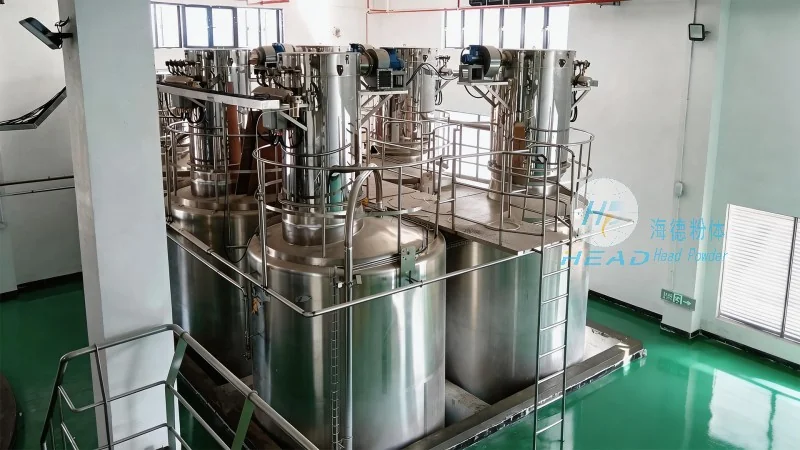
About Shandong HeadPowder Engineering Co., Ltd.
Shandong HeadPowder Engineering Co., Ltd., based in Shandong, China, specializes in providing advanced pneumatic conveying solutions for various industrial applications. With a focus on safety, efficiency, and innovation, the company offers customized systems tailored to the specific needs of clients handling hazardous materials like arsenic trioxide. The company's expertise in material handling and process engineering ensures that its solutions meet the highest standards of performance and reliability. By leveraging years of experience and cutting-edge technology, Shandong HeadPowder Engineering Co., Ltd. helps industries optimize their material transport processes, reducing risks and improving overall productivity. The company's commitment to quality and customer satisfaction has made it a trusted partner in the field of pneumatic conveying, serving clients across different sectors and regions.