

What is Coke Particle Pneumatic Conveying? Classification and Applications of Pneumatic Conveying
HeadPowder, a prominent name in material handling technology, focuses on advanced pneumatic conveying solutions. This article delves into the concept of coke particle pneumatic conveying, explains the classifications of pneumatic conveying systems, and highlights their practical applications in various industrial sectors.
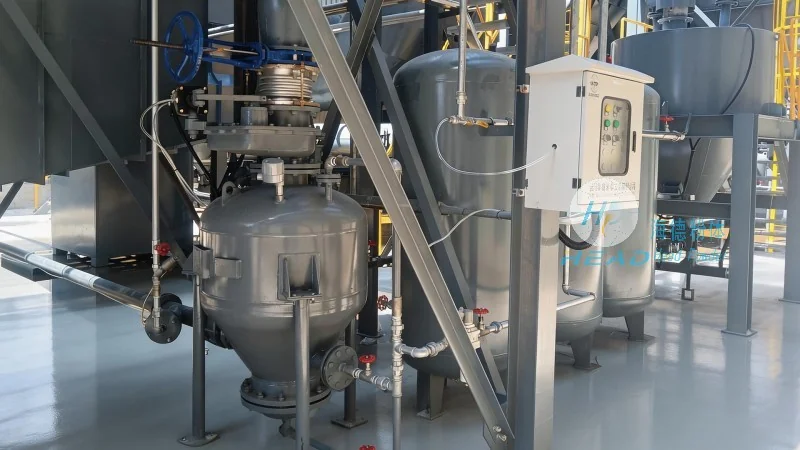
Understanding Coke Particle Pneumatic Conveying
Coke particle pneumatic conveying is a method used to transport coke particles through a pipeline using a gas stream, commonly air. This process is integral to the steel industry, where coke serves as a vital fuel and reducing agent in blast furnaces. The system typically involves a hopper that feeds coke particles into a pipeline, where they are carried by the moving gas. The efficiency of this process depends on factors such as particle size, moisture content, and the system's design, all of which impact the flow and transport of coke particles.
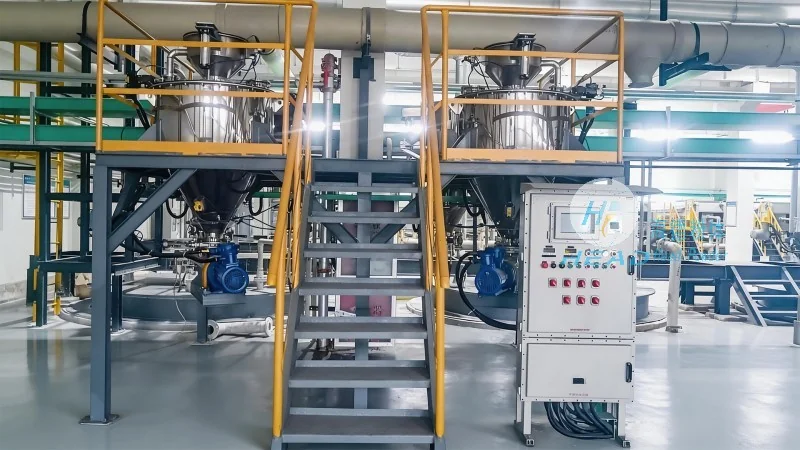
Classification of Pneumatic Conveying Systems
Pneumatic conveying systems are broadly categorized into dilute-phase and dense-phase systems. Dilute-phase systems operate at low pressure and high gas velocity, with particles suspended in the gas stream. This type is suitable for short-distance conveying and handling fine particles, as the gas effectively lifts and transports the particles without causing significant blockages. Dense-phase systems, conversely, operate at higher pressure and lower gas velocity, where particles are carried in a slurry-like state. These systems are ideal for long-distance conveying and handling larger or more abrasive particles, as the higher pressure ensures consistent particle movement and reduces the risk of system clogging.
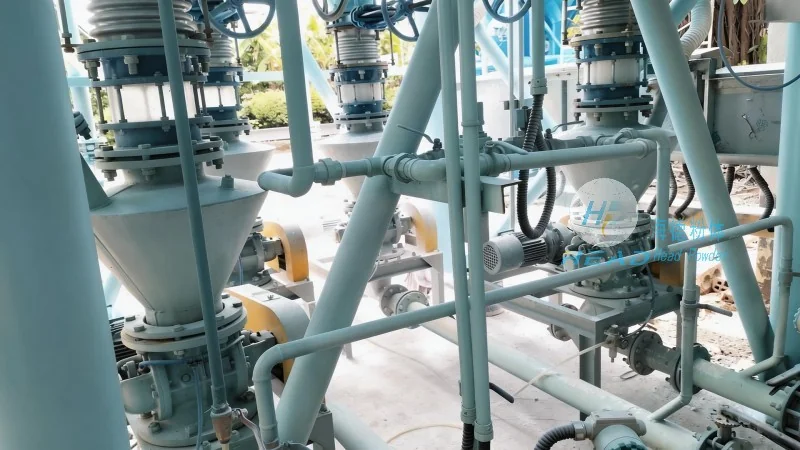
Applications of Pneumatic Conveying in Industrial Processes
The applications of pneumatic conveying in industry are extensive and essential. In the steel industry, coke particle pneumatic conveying is critical for delivering coke from storage to blast furnaces, ensuring a continuous supply of raw materials and minimizing production interruptions. In chemical plants, pneumatic conveying is used to transport powders and granules, facilitating the handling of bulk materials in manufacturing processes. Additionally, in food processing, it is employed for handling ingredients like flour and sugar, maintaining hygiene and efficiency. Mining operations also utilize pneumatic conveying for transporting ore and other minerals from extraction sites to processing facilities.
Key Factors Affecting Pneumatic Conveying Performance
The performance of a coke particle pneumatic conveying system is influenced by several critical factors. Particle size and shape play a significant role, as larger or irregularly shaped particles may cause blockages or increased wear on system components. Moisture content is another key factor; excessive moisture can lead to agglomeration, reducing the system's efficiency and potentially causing system failures. The gas velocity and pressure must be precisely controlled to ensure proper particle suspension and prevent degradation or damage to the particles. Additionally, the selection of appropriate pipeline materials and components is crucial for withstanding the abrasive nature of coke particles and maintaining system longevity.
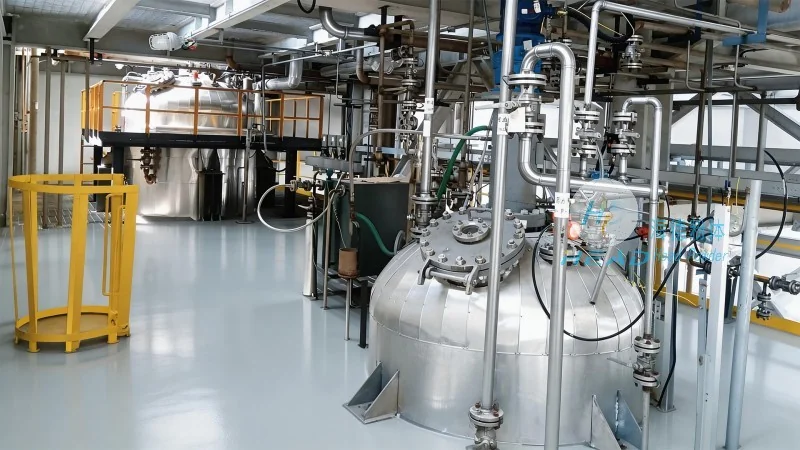
HeadPowder's Customized Pneumatic Conveying Solutions
Shandong HeadPowder Engineering Co., Ltd., headquartered in Shandong, China, specializes in providing tailored pneumatic conveying solutions for industrial clients. Our company leverages decades of expertise to design and manufacture systems that meet the unique requirements of each application. We focus on coke particle pneumatic conveying, delivering systems that enhance productivity, reduce maintenance costs, and improve overall operational efficiency. Our team works closely with clients to assess their specific needs, from material characteristics to operational constraints, ensuring that the final solution is both effective and reliable.