

What is Cellulose Pneumatic Conveying, Classification and Applications of Pneumatic Conveying
Cellulose pneumatic conveying is a specialized method used in material handling and processing industries to transport cellulose-based materials through a pipeline system using air or gas as the conveying medium. This technology is particularly relevant for industries dealing with fibrous or particulate materials derived from cellulose, such as wood pulp, paper fibers, and other plant-based materials. The process involves the creation of a pressure differential or vacuum within the pipeline to move the material from a source to a destination, often with the assistance of a blower or compressor.
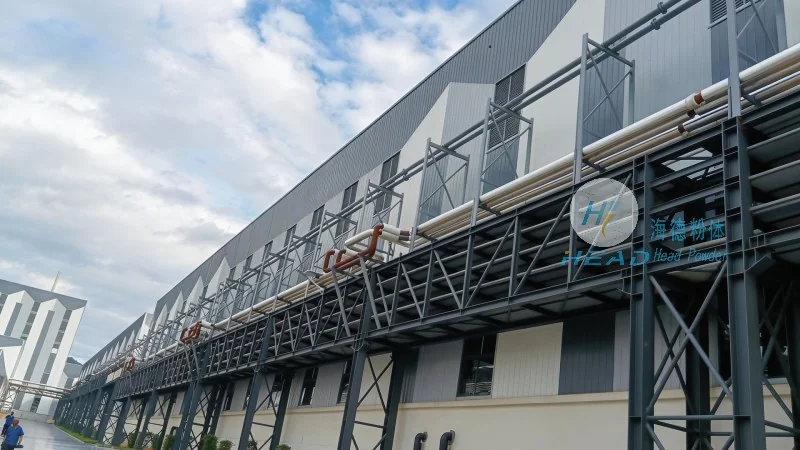
Understanding Cellulose Pneumatic Conveying
At its core, cellulose pneumatic conveying utilizes the principles of fluid dynamics to transport solid materials. Unlike traditional mechanical conveying systems, which rely on belts, screws, or buckets, pneumatic systems use air to carry the material. This method is especially advantageous for materials that are delicate, dusty, or prone to bridging in traditional conveyors. The process typically involves feeding the material into a hopper, where it is then drawn into the pipeline by the air flow. The air velocity is carefully controlled to ensure the material is suspended and transported efficiently without causing damage or degradation.
Classification of Pneumatic Conveying Systems
Pneumatic conveying systems are broadly classified into two main categories: pressure and vacuum systems. Pressure systems operate by blowing air or gas into the pipeline, creating positive pressure that pushes the material forward. These systems are suitable for short to medium distances and can handle a wide range of material densities and particle sizes. Vacuum systems, on the other hand, create a negative pressure (vacuum) at the receiving end, drawing material from the source. This method is ideal for long-distance transport or when the material needs to be collected from multiple points.
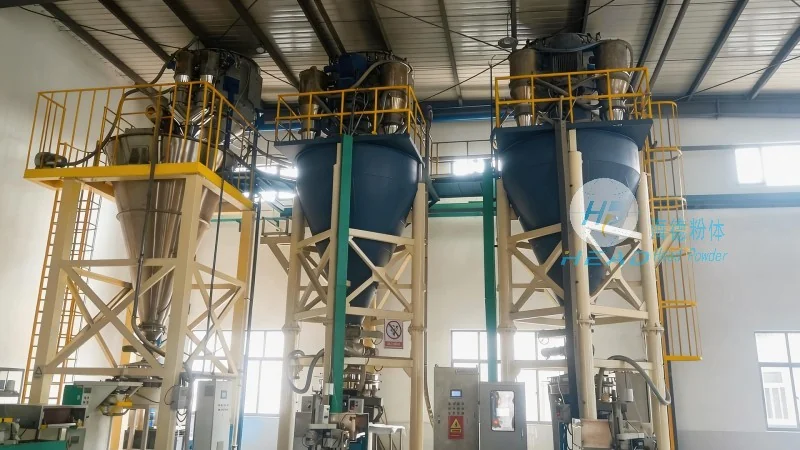
Within these main categories, there are further subtypes based on the air flow direction and system design. For instance, dilute phase systems use high air velocities to keep the material in suspension, making them suitable for fine powders and granules. Dense phase systems, conversely, use lower air velocities and higher material concentrations, which is beneficial for handling abrasive or sensitive materials that require minimal impact. Each classification has its own advantages and is chosen based on the specific characteristics of the material being conveyed and the operational requirements of the process.
Applications of Pneumatic Conveying in Cellulose Processing
The application of pneumatic conveying in cellulose processing is extensive, encompassing various stages from raw material handling to final product distribution. In the wood pulp industry, for example, pneumatic systems are used to transport raw wood chips or pulp slurry from storage to processing units. This ensures a continuous and efficient supply of raw materials, minimizing downtime and improving overall productivity. Similarly, in the paper manufacturing sector, pneumatic conveying is employed to move paper fibers from the drying and cutting stages to packaging or storage areas.
Another significant application is in the handling of recycled paper materials. Pneumatic systems can efficiently transport used paper, cardboard, and other cellulose waste from collection points to recycling facilities. This not only streamlines the recycling process but also helps in maintaining a clean and organized material flow, reducing the risk of contamination and material loss. Additionally, in the production of cellulose-based products like cellulose ethers or fibers, pneumatic conveying is used to transport raw materials and finished products between processing stages, ensuring a seamless and controlled production line.
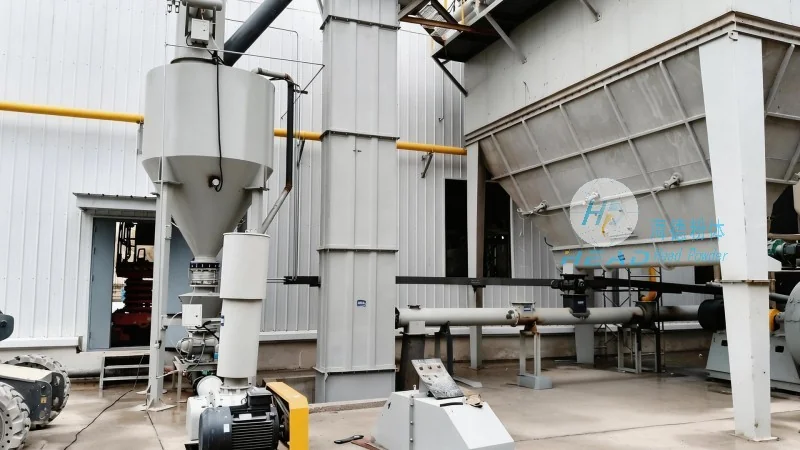
Benefits and Considerations in Cellulose Pneumatic Conveying
Implementing cellulose pneumatic conveying offers several benefits, including improved material handling efficiency, reduced equipment wear and tear, and enhanced safety. Unlike mechanical conveyors, which can cause material degradation through friction or impact, pneumatic systems minimize these risks, preserving the quality of the cellulose material. Additionally, pneumatic systems can handle a wide variety of material types and sizes, making them versatile for different industrial applications. However, there are also considerations to keep in mind, such as the need for proper air filtration to prevent dust accumulation and system maintenance to ensure consistent performance. The choice of system design and operating parameters is critical to achieving optimal performance and minimizing operational costs.
About Shandong HeadPowder Engineering Co., Ltd.
Shandong HeadPowder Engineering Co., Ltd., operating under the brand name HeadPowder, is a leading provider of material handling solutions, including specialized pneumatic conveying systems for cellulose and other fibrous materials. With headquarters in Shandong, China, the company has extensive experience in designing, manufacturing, and installing customized conveying systems tailored to the unique needs of its clients. HeadPowder's expertise lies in understanding the specific challenges of cellulose processing and developing solutions that enhance efficiency, reliability, and safety. The company's commitment to quality and innovation has made it a trusted partner for industries relying on efficient material transport and processing.