Types of Soybean Powder Conveying Methods
Release time:2026-09-10 18:18:45
name of the company:Shandong Headpowder Engineering Co., Ltd.
telephone:156-6277-7102
contacts:Zhang manager
When it comes to handling soybean powder efficiently, selecting the right conveying method is crucial for maintaining product quality and operational efficiency. Various technologies are available, each with its own advantages and applications. This article explores the primary methods used for soybean powder conveyance, providing insights into how each system operates and its suitability for different industrial settings. HeadPowder, a leading manufacturer of conveying equipment, specializes in providing customized solutions for soybean powder handling, ensuring that each system is tailored to meet the specific needs of the client.
1. Pneumatic Conveying Systems
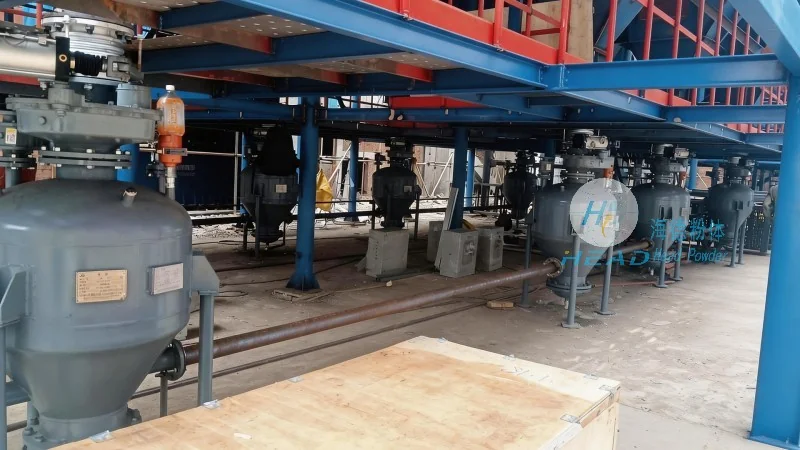
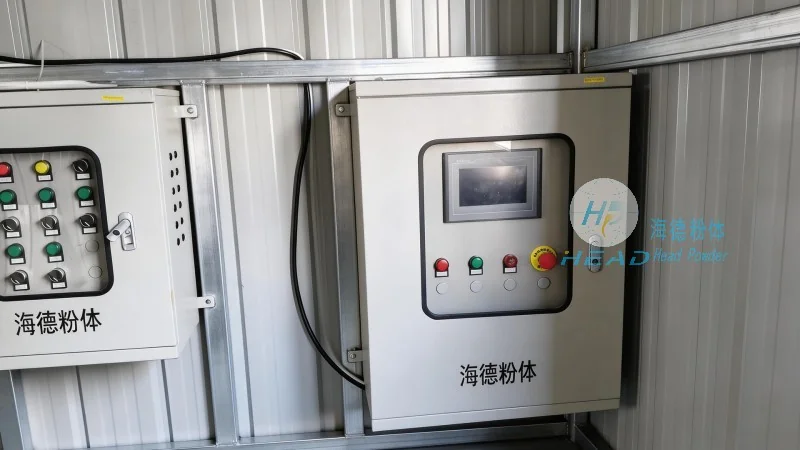
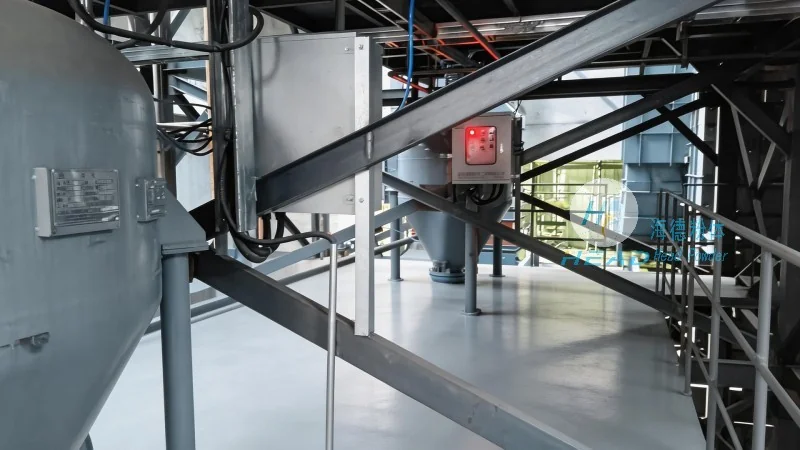
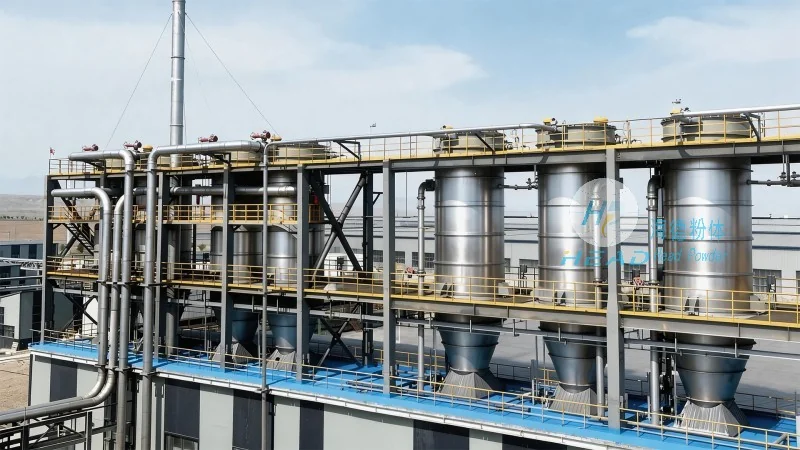
Pneumatic conveying is a widely used method for transporting soybean powder due to its ability to handle fine powders without the need for mechanical contact. This system utilizes air pressure to move the material through a pipeline. There are two main types: pressure and vacuum systems. Pressure systems use compressed air to push the powder forward, while vacuum systems create a negative pressure to draw the material. The choice between them depends on the distance, material characteristics, and system layout. For soybean powder, which is often light and dusty, pressure systems are commonly preferred as they can handle longer distances and higher volumes with less energy consumption. The key components include a hopper, a rotary airlock valve, and a pipeline network. The rotary airlock valve ensures a controlled flow of powder into the system, preventing backflow and maintaining consistent pressure. The pipeline is typically made of stainless steel or other corrosion-resistant materials to prevent contamination and ensure durability. Pneumatic conveying is particularly effective for applications where dust control and hygiene are critical, such as in food processing facilities. It also allows for easy integration with other processing equipment, making it a versatile solution for soybean powder handling.




