

Working Principle and Features of Paper Chip Material Conveying System Equipment
For industrial applications that require efficient handling of paper chip materials, the paper chip material conveying system equipment from Shandong HeadPowder Engineering Co., Ltd. offers reliable and effective solutions. This article will explore the working principle and key features of these systems, providing insights into how they enhance material transport in various industrial settings.

Introduction to Paper Chip Material Conveying Systems
Paper chip material conveying systems are designed to transport paper chips, which are typically produced from the processing of wood or other fibrous materials. These systems are integral to industries such as pulp and paper manufacturing, woodworking, and recycling, where the efficient movement of these materials is crucial for operational efficiency and cost-effectiveness. The equipment from HeadPowder is engineered to meet the specific demands of these sectors, ensuring durability, safety, and optimal performance under demanding conditions.
The Working Principle of Paper Chip Conveying Equipment
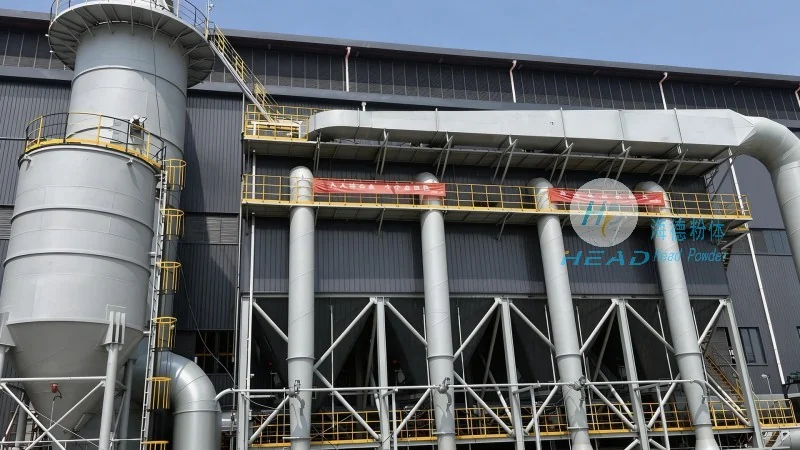
The core of the paper chip material conveying system is its mechanism for transporting materials. Typically, these systems utilize a combination of components, including feeders, conveyors, and control systems, to move paper chips from one location to another. The process begins with the material being fed into the system, often through a hopper or a feeding mechanism. From there, the chips are transported along a conveyor path, which may include belts, rollers, or other types of transport mechanisms, depending on the specific design of the equipment.
One common type of conveying system for paper chips is the belt conveyor, which uses a continuous belt to move materials. The belt is driven by a motor, and the speed of the belt can be adjusted to control the flow rate of the chips. Additionally, the system may include components such as idlers, pulleys, and tensioning devices to ensure the belt operates smoothly and efficiently. Another option is the screw conveyor, which uses a rotating screw to push materials forward. This type of conveyor is particularly effective for handling dry or semi-dry paper chips, as it can maintain a consistent flow without the need for additional feeding mechanisms.
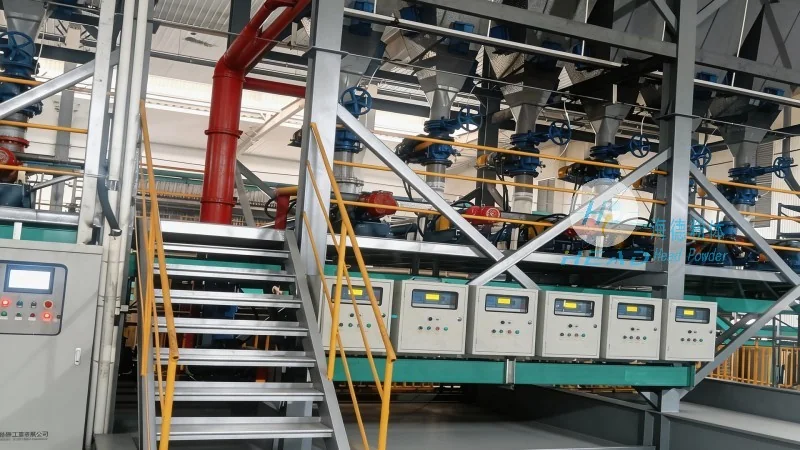
The control system of the paper chip conveying equipment plays a vital role in regulating the operation. It may include sensors to monitor the level of material in the hopper, the speed of the conveyor, and the overall system performance. These sensors provide real-time data that allows operators to adjust the system parameters as needed, ensuring optimal operation and preventing issues such as overloading or blockages. The control system may also include safety features, such as emergency stop buttons and overload protection, to enhance the safety of the operation.
Key Features of Paper Chip Material Conveying Systems
The paper chip material conveying systems from Shandong HeadPowder Engineering Co., Ltd. are equipped with several key features that set them apart in the industry. These features are designed to enhance performance, reliability, and user experience, making them suitable for a wide range of applications.
Firstly, the equipment is constructed with high-quality materials, ensuring durability and resistance to wear and tear. The components are designed to withstand the abrasive nature of paper chips, which can cause significant wear on traditional equipment. The use of robust materials, such as stainless steel or specialized alloys, helps to extend the lifespan of the system and reduce maintenance costs over time.
Secondly, the systems are equipped with advanced control technology, allowing for precise control over the conveying process. The control systems can be programmed to adjust the speed and direction of the conveyor based on the material flow, ensuring that the system operates efficiently and minimizes energy consumption. This technology also enables remote monitoring and diagnostics, allowing operators to identify and address issues before they become major problems.
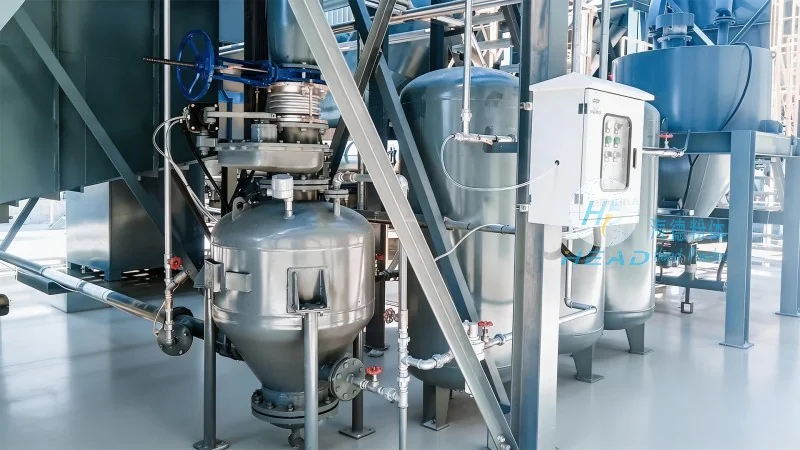
Thirdly, the paper chip conveying systems are designed with safety in mind. The equipment includes various safety features, such as emergency stop buttons, interlocks, and protective guards, to prevent accidents and injuries. These features are in line with industry standards and regulations, ensuring that the system operates safely in any industrial environment. Additionally, the systems are designed to minimize dust and debris, which can be a health hazard in some applications.
Fourthly, the equipment is customizable to meet the specific needs of different applications. HeadPowder offers a range of options, including different conveyor types, sizes, and configurations, to suit various production requirements. This flexibility allows customers to choose the system that best fits their operational needs, whether they are processing large volumes of paper chips or handling smaller batches.
Fifthly, the systems are designed for easy maintenance and operation. The components are arranged in a way that allows for easy access and inspection, reducing the time and effort required for maintenance. The control systems are user-friendly, with intuitive interfaces that make it easy for operators to monitor and adjust the system parameters. This ease of use helps to minimize downtime and maximize productivity.
Applications and Benefits of Paper Chip Conveying Systems
The paper chip material conveying systems from HeadPowder are used in a variety of industrial applications, including pulp and paper manufacturing, woodworking, and recycling. In pulp and paper plants, these systems are used to transport paper chips from the chipper to the pulping process, ensuring a continuous flow of materials. In woodworking facilities, they are used to move wood chips from the sawmill to the drying or processing areas. In recycling operations, they are used to transport recycled paper chips to the processing equipment.
The benefits of using these systems are numerous. Firstly, they improve operational efficiency by ensuring a continuous and reliable flow of materials. This reduces downtime and increases production output, leading to higher profitability for the company. Secondly, they enhance safety by minimizing the risk of accidents and injuries. The safety features of the system help to protect operators and maintain a safe working environment. Thirdly, they reduce maintenance costs by using durable materials and advanced technology. The long lifespan of the equipment and the ease of maintenance help to lower overall operational costs.
Finally, the paper chip conveying systems from Shandong HeadPowder Engineering Co., Ltd. are designed to be environmentally friendly. The systems are equipped with features that minimize dust and debris, reducing the impact on the environment. Additionally, the equipment is energy-efficient, which helps to reduce the carbon footprint of the operation. This makes the systems an attractive option for companies that are committed to sustainable practices.
Conclusion
In conclusion, the paper chip material conveying systems from Shandong HeadPowder Engineering Co., Ltd. are reliable and effective solutions for industrial applications that require the efficient handling of paper chip materials. The systems are designed with a focus on durability, safety, and efficiency, and are equipped with advanced technology to enhance performance. The key features of these systems, including high-quality construction, advanced control technology, and safety features, make them suitable for a wide range of applications. The benefits of using these systems include improved operational efficiency, enhanced safety, reduced maintenance costs, and environmental friendliness. For companies in the pulp and paper, woodworking, and recycling industries, these systems offer a valuable solution for their material handling needs.