

What is a Color Masterbatch Particle Material Pneumatic Conveying Line? What are its Design Principl
The color masterbatch particle material pneumatic conveying line is a specialized industrial system engineered to transport color masterbatch particles, which are essential additives used in the plastic and polymer manufacturing sectors to impart specific colors and functional properties to final products. This system operates on pneumatic principles, utilizing air or other gases as the conveying medium to move bulk materials through a network of pipes. It represents a highly efficient and effective solution for handling color masterbatch particles, which are typically fine, dry powders with distinct particle size distributions and flow characteristics that require careful management to maintain their integrity and performance.
Key Components and Design Principles
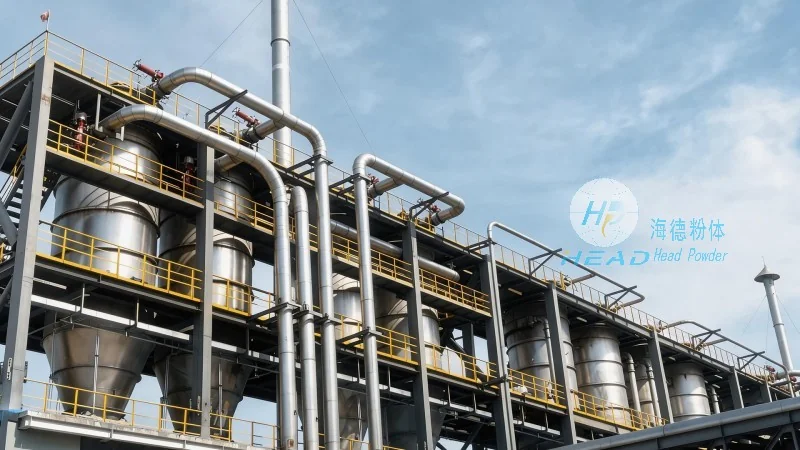
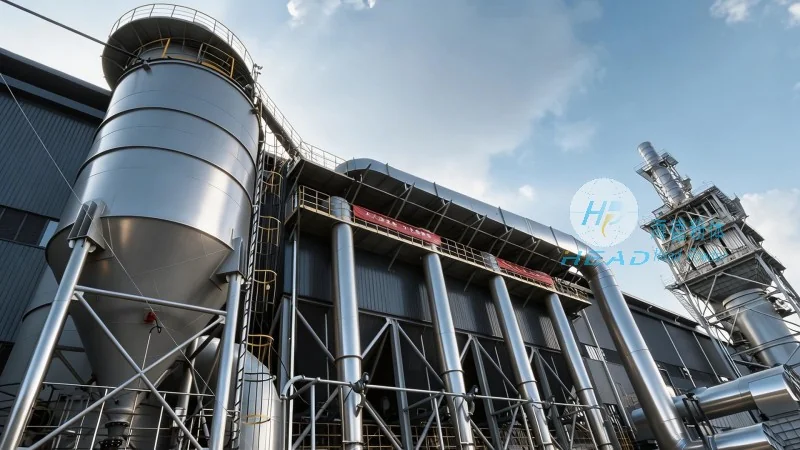
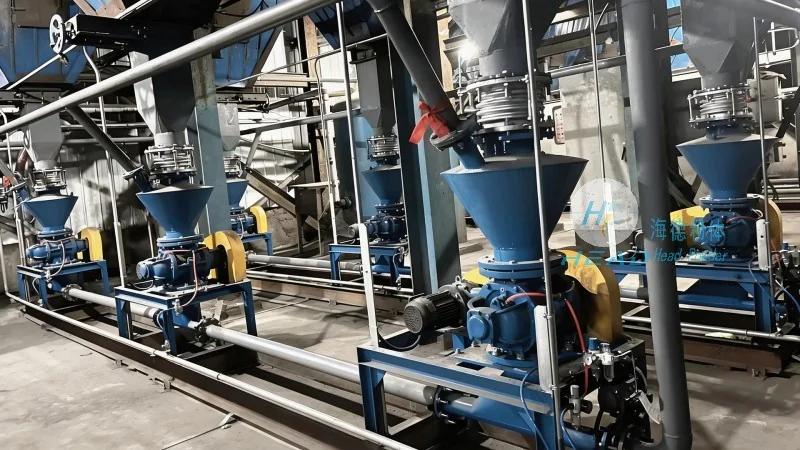
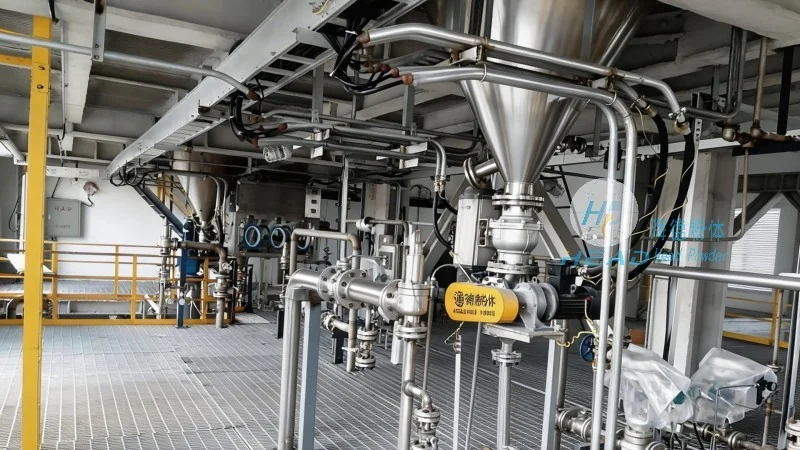
The design of a pneumatic conveying line for color masterbatch particles involves a carefully integrated set of components, each optimized to ensure reliable, efficient, and safe operation. The primary components include a feeding device, a conveying pipeline, a separation and collection system, and a control unit. The feeding device, such as a rotary valve or a hopper with a feeder, ensures a consistent and controlled flow of the color masterbatch particles into the system, preventing blockages and maintaining uniform particle feed. The conveying pipeline, commonly constructed from stainless steel or other corrosion-resistant materials, is designed to withstand the pressure and temperature conditions of the conveying process, ensuring durability and minimal material degradation. The separation and collection system, which may consist of cyclones, filters, or a combination of both, effectively separates the particles from the conveying air, allowing for the collection of the material in a designated container. The control unit manages critical operational parameters such as pressure, flow rate, and air velocity, optimizing the system's performance based on the specific characteristics of the color masterbatch particles—such as their density, particle size, and moisture content. The design principles emphasize matching the system's capacity and pressure to the material's properties, minimizing air consumption, and maximizing conveying efficiency while ensuring minimal particle degradation. Additionally, the system may incorporate features like pressure relief valves, air filters, and moisture separators to enhance safety and maintain material quality.
How the Pneumatic Conveying System Works
The operation of a color masterbatch particle material pneumatic conveying line follows a sequential, controlled process. Initially, the color masterbatch particles are fed into the system through the feeding device, where they are introduced into the conveying pipeline. The particles are then suspended and transported by a stream of air or gas, with the air velocity carefully regulated to ensure that the particles remain in suspension without settling or clogging the pipeline. As the particle-air mixture travels through the pipeline, it may encounter various components, including bends, expansions, or restrictions, which are strategically designed to maintain the mixture's stability and prevent particle loss or degradation. The conveying air is subsequently separated from the particles in the separation and collection system. The air is discharged, while the particles are collected in a hopper or storage container. The control unit continuously monitors the system's performance, adjusting parameters in real-time to maintain optimal operation and address any deviations. This process enables the safe and efficient transport of color masterbatch particles from the source (e.g., storage silos) to the destination (e.g., processing lines or storage areas), ensuring consistent and reliable material delivery.