

[Metal Particulate Material Pneumatic Conveying Line: What It Is and Its Design Principles]
For industrial applications that require the efficient and safe transport of metal particulate materials, a specialized system known as a metal particulate material pneumatic conveying line is often employed. This technology is designed to move bulk materials through a pipeline using air or other gas as the conveying medium, offering advantages such as reduced contamination, improved safety, and the ability to handle materials in a closed system. The design principles of such a system are critical to its effectiveness and reliability, as they dictate how the material is introduced, accelerated, and transported through the pipeline.
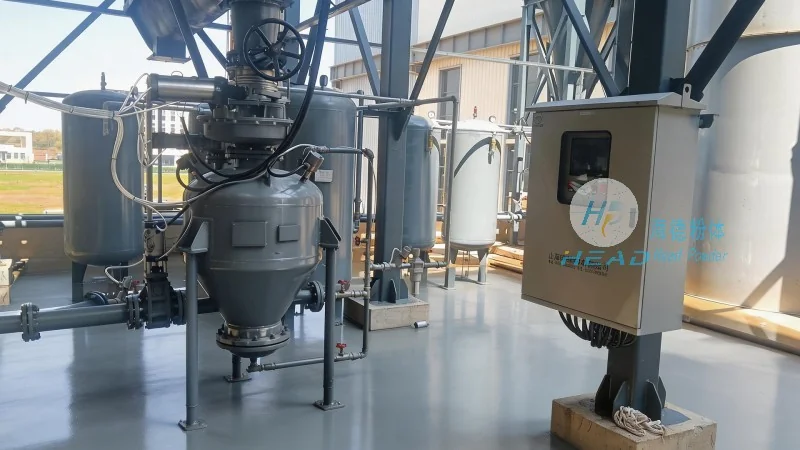
Understanding the Metal Particulate Material Pneumatic Conveying System
A metal particulate material pneumatic conveying line is a sophisticated piece of equipment used in various industrial sectors, including metal processing, chemical manufacturing, and food processing. The system typically consists of a hopper or feeder to introduce the material, a compressor or blower to generate the air flow, a pipeline network to transport the material, and a receiver or discharge point to collect the material at the destination. The core of the system is the pneumatic conveying process, where the material is suspended in the air stream and carried along the pipeline.
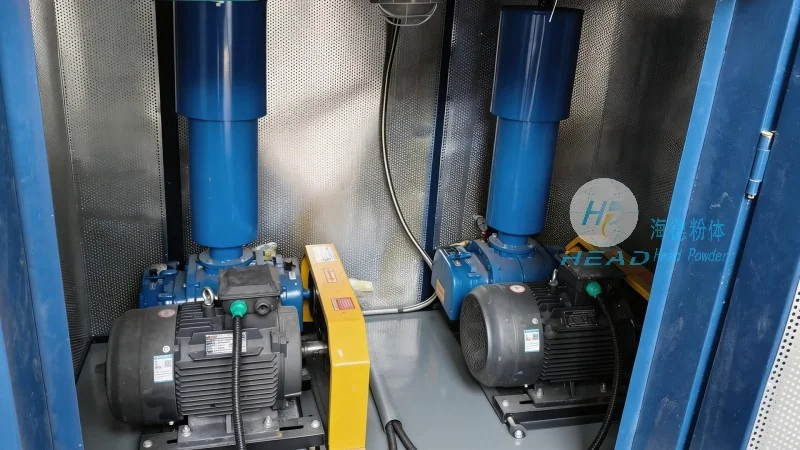
Key Design Principles for Pneumatic Conveying Systems
The design of a metal particulate material pneumatic conveying system involves several key principles that ensure optimal performance. First, the system must be designed to handle the specific characteristics of the metal particulate material, such as particle size, density, and moisture content. This includes selecting appropriate equipment like feeders and hoppers that can handle the material without causing blockages or degradation. Second, the air flow rate and pressure must be carefully calculated to achieve the desired conveying velocity, which is crucial for preventing material deposition or degradation within the pipeline. Third, the system must incorporate features for controlling the flow, such as valves and regulators, to maintain consistent material transport and prevent backflow or pressure surges. Additionally, the system should be designed with considerations for material separation and cleaning, as metal particulates may require specific handling to avoid contamination or equipment wear.
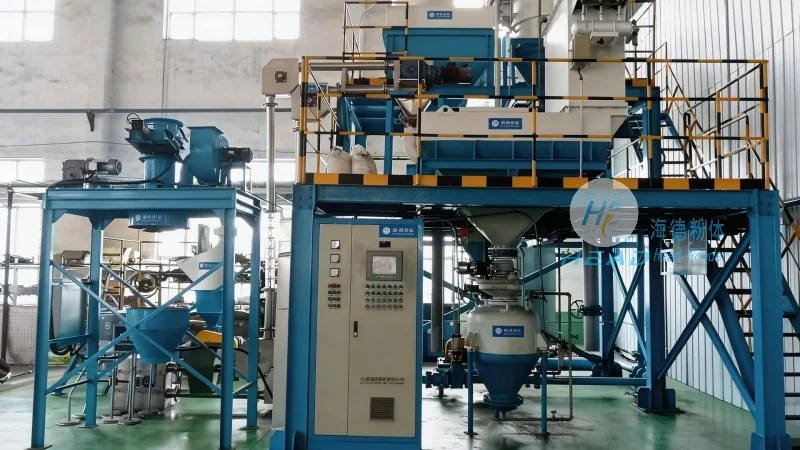
Components and Functionality of the Conveying Line
The metal particulate material pneumatic conveying line from Shandong HeadPowder Engineering Co., Ltd. (often referred to as HeadPowder) incorporates advanced engineering principles to ensure reliable operation. The system includes a feed hopper that feeds the metal particulate material into the pipeline, a positive displacement blower or rotary lobe compressor that generates the necessary air pressure and flow rate. The pipeline network is constructed from materials compatible with metal particulates, such as stainless steel or specialized plastics, to prevent corrosion and material interaction. The conveying line is equipped with sensors and control systems to monitor pressure, flow rate, and material level, ensuring the system operates within safe and efficient parameters. The receiver or discharge point is designed to collect the material at the destination, with options for further processing or storage.
Advantages of Using a Pneumatic Conveying System for Metal Particulates
Implementing a metal particulate material pneumatic conveying line offers several advantages over traditional methods like belt conveyors or bucket elevators. One of the primary benefits is the ability to transport materials in a closed system, which minimizes dust emissions and prevents contamination from external sources. This is particularly important for metal particulates, which may be sensitive to moisture or air exposure. Additionally, pneumatic conveying systems can handle materials with varying particle sizes and shapes, including fine powders and irregularly shaped metal pieces. The system also provides flexibility in terms of layout, as the pipeline can be installed in various configurations to suit the plant layout and material flow requirements. Furthermore, the system reduces the need for manual handling, improving workplace safety and reducing labor costs.
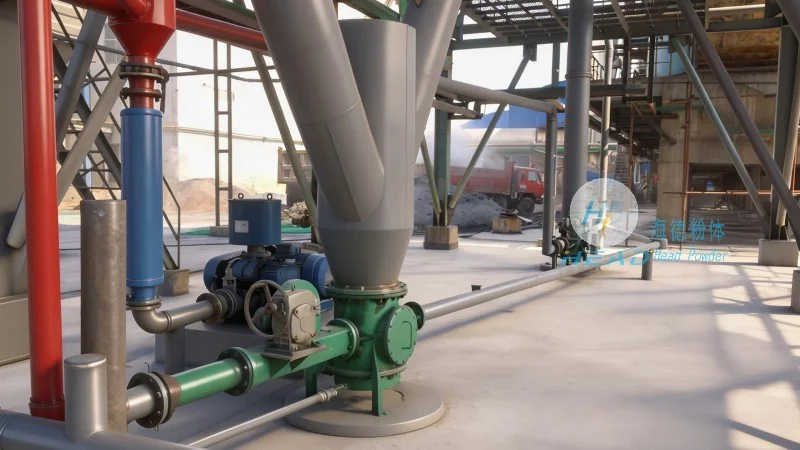
Customization and Application Considerations
HeadPowder, a leading manufacturer based in Shandong, China, offers customized metal particulate material pneumatic conveying systems tailored to specific industrial needs. The company's engineers work closely with clients to understand their material characteristics, production requirements, and operational constraints to design a system that meets their unique needs. The customization may include adjustments to the hopper design for different material feed rates, modifications to the pipeline diameter and length for optimal conveying efficiency, and integration of additional features such as material separation or cleaning equipment. The company's expertise in pneumatic conveying technology ensures that the final system is reliable, efficient, and cost-effective, providing long-term value to the client.