

What is an Industrial Salt Material Pneumatic Conveying Line? What Are Its Design Principles?
Industrial salt material pneumatic conveying lines are essential systems used in various industrial applications to transport bulk materials like industrial salt efficiently and safely. These systems utilize air or gas as the conveying medium to move solid particles through pipelines, offering a flexible and often more cost-effective alternative to traditional mechanical conveying methods such as belt conveyors or screw conveyors. The design of such lines is critical to ensure optimal performance, reliability, and safety, especially when handling materials with specific characteristics like industrial salt, which may have varying particle sizes, moisture content, or flow properties. Systems like these are commonly designed and manufactured by companies specializing in bulk material handling, such as Shandong HeadPowder Engineering Co., Ltd., based in China.
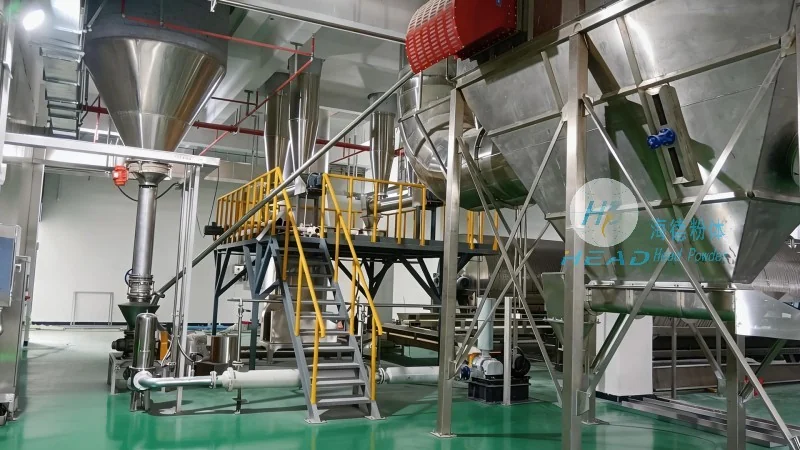
Understanding the Core Components and Functionality of Industrial Salt Pneumatic Conveying Systems
At the heart of an industrial salt material pneumatic conveying line are several key components that work in tandem to achieve effective material transport. The primary components include a material hopper or feeder, a conveying pipeline system, a blower or compressor to generate the air flow, and a receiver or discharge hopper where the material is deposited. The material hopper is designed to store and feed the industrial salt into the system, often equipped with a metering device to control the flow rate. The conveying pipeline is typically made of materials like stainless steel or plastic, chosen for their resistance to corrosion and wear from the salt particles. The blower or compressor provides the necessary pressure or vacuum to move the salt through the pipeline, and the receiver is where the material is collected after transport. The entire system is engineered to handle the unique properties of industrial salt, ensuring consistent and reliable operation.
Design Principles for Industrial Salt Pneumatic Conveying Lines: Ensuring Efficiency and Reliability
The design principles for industrial salt pneumatic conveying lines focus on several critical factors to ensure optimal performance. First, the system must be designed to handle the specific properties of industrial salt, including its particle size distribution, density, and flowability. The selection of the conveying method—whether it's a pressure system (where air is blown into the pipeline to push the material) or a vacuum system (where air is sucked out to pull the material)—depends on the material's characteristics and the distance to be transported. For industrial salt, which is often granular and can be abrasive, the pipeline and components must be constructed from materials that resist corrosion and wear, such as stainless steel or high-quality plastic. Additionally, the system must be designed to minimize material degradation, clogging, or blockages, which can occur if the air flow is insufficient or if the salt particles are too fine and prone to sticking to the pipeline walls. Proper sizing of the blower, pipeline diameter, and air velocity is crucial to maintain a consistent flow and prevent issues like clogging or excessive pressure drop.
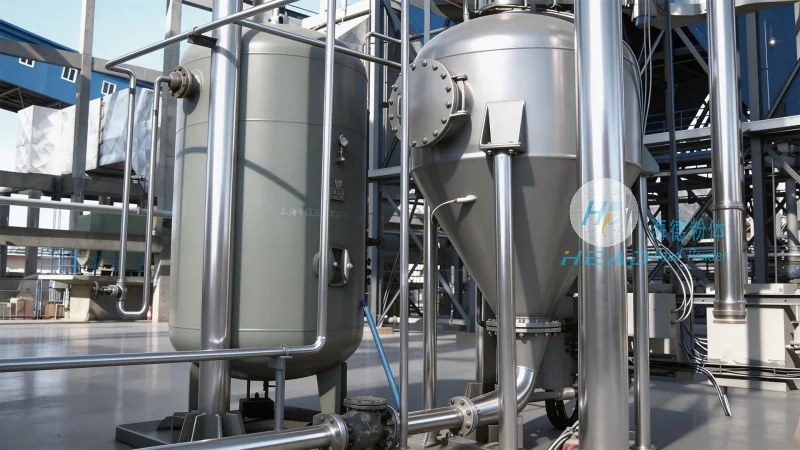
Key Considerations in Designing Pneumatic Conveying Systems for Industrial Salt Applications
When designing a pneumatic conveying system for industrial salt, several key considerations must be addressed to ensure the system operates efficiently and reliably. One of the most important factors is the selection of the conveying method. Pressure systems are generally preferred for short to medium distances and when the material is free-flowing, as they provide a positive pressure that pushes the salt through the pipeline. Vacuum systems, on the other hand, are better suited for longer distances or when the material needs to be transported from a lower elevation to a higher one, as they create a negative pressure that pulls the material. The choice of method also affects the system's energy consumption, with pressure systems typically requiring more power but offering higher throughput. Another critical consideration is the air velocity and pipeline diameter. The air velocity must be high enough to keep the salt particles suspended in the air stream but not so high as to cause excessive wear on the pipeline or components. The pipeline diameter is typically determined based on the material's flow rate and the required air velocity, ensuring that the system can handle the expected throughput without causing excessive pressure drop or energy consumption.
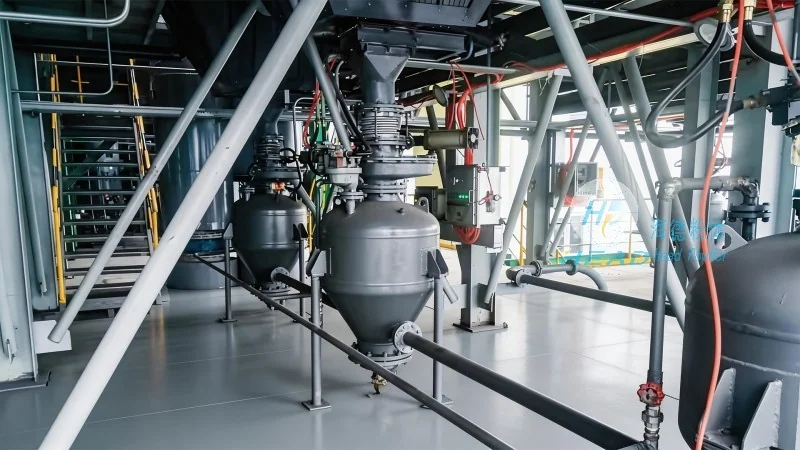
Material Handling Challenges and Solutions in Industrial Salt Pneumatic Conveying
Handling industrial salt in pneumatic conveying systems presents several challenges that must be addressed through careful design and component selection. One of the main challenges is clogging, which can occur if the salt particles are too fine or if the air flow is insufficient. To mitigate this, the system may include features such as pulse jets or air cannons that periodically clear the pipeline of any accumulated material. Another challenge is corrosion, as industrial salt can be hygroscopic and may contain moisture that leads to rust or other forms of degradation in the pipeline and components. Using stainless steel or corrosion-resistant materials for the pipeline and components is essential to prevent this. Additionally, the system must be designed to handle variations in the salt's properties, such as changes in particle size or moisture content, which can affect the flow characteristics. Adjustable components, such as variable speed blowers or flow meters, can help adapt to these changes and maintain consistent performance.
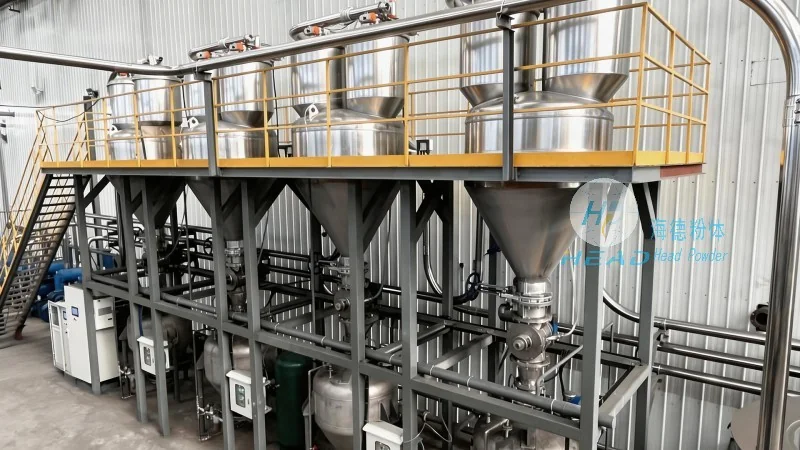
Applications of Industrial Salt Pneumatic Conveying Lines in Various Industries
Industrial salt material pneumatic conveying lines are widely used in various industries that handle bulk materials, including the chemical industry, food processing, and mining. In the chemical industry, these systems are used to transport industrial salt to reactors or storage tanks, where it may be used as a raw material or a processing aid. In food processing, they are used to move salt from storage to processing lines, ensuring a consistent supply of material while maintaining hygiene standards. In mining, they are used to transport salt from mines to processing facilities or to other locations for further use. The flexibility of pneumatic conveying systems makes them suitable for a wide range of applications, from short-distance transport within a facility to long-distance transport between different locations. Companies like Shandong HeadPowder Engineering Co., Ltd. provide tailored solutions to meet the specific needs of these industries.
Conclusion: The Importance of Proper Design and Maintenance for Industrial Salt Pneumatic Conveying Systems
In conclusion, industrial salt material pneumatic conveying lines are essential systems for efficiently and safely transporting bulk materials in various industrial applications. The design of these systems must consider the specific properties of industrial salt, including its particle size, density, and flowability, as well as the distance and elevation changes involved in the transport. Proper selection of components, such as the blower, pipeline material, and receiver, is crucial to ensure optimal performance and reliability. Regular maintenance and monitoring of the system are also important to prevent issues like clogging or corrosion, which can affect the system's efficiency and lifespan. By adhering to these design principles and maintenance practices, industrial salt pneumatic conveying systems can provide reliable and cost-effective material transport solutions for a wide range of applications. Shandong HeadPowder Engineering Co., Ltd. specializes in designing and manufacturing such systems to meet the diverse needs of industrial clients in China and beyond.