

What is Hydrogen Chloride Material Pneumatic Conveying Line? And What Are Its Design Principles?
Hydrogen chloride (HCl) is a highly corrosive and toxic gas, making its handling and transportation a critical concern in industrial applications. A hydrogen chloride material pneumatic conveying line is a specialized system designed to safely and efficiently transport HCl gas or its solutions through a pipeline network. This system typically involves a combination of components such as a gas compressor, a gas-liquid separator, a pressure regulator, and a control system to ensure the safe and controlled movement of the HCl material. The design of such a line is crucial as it must comply with stringent safety regulations due to the hazardous nature of HCl.
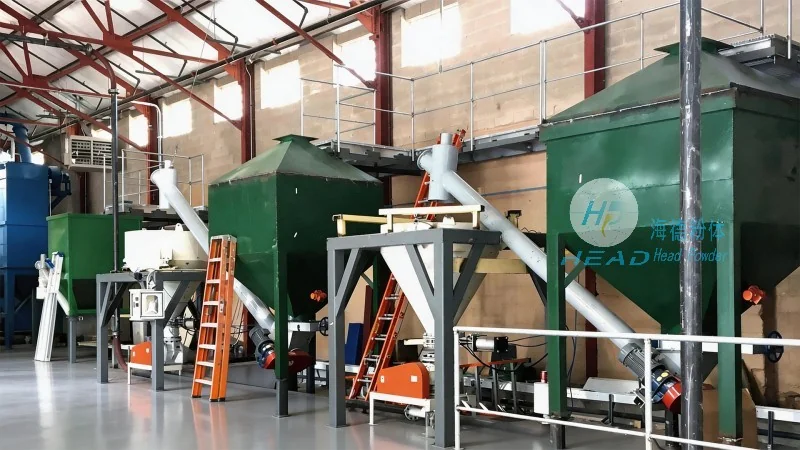
About HeadPowder Engineering
HeadPowder, formally known as Shandong HeadPowder Engineering Co., Ltd., is a leading manufacturer and supplier of industrial pneumatic conveying systems. With a strong presence in China, particularly in Shandong, the company specializes in designing, manufacturing, and installing customized solutions for various corrosive and hazardous material handling applications. HeadPowder's expertise lies in developing robust and reliable systems that meet the specific requirements of clients in the chemical, pharmaceutical, and other industrial sectors.
Design Principles of Hydrogen Chloride Pneumatic Conveying Lines
The design of a hydrogen chloride material pneumatic conveying line follows several key principles to ensure safety, efficiency, and compliance with industry standards. First, the system must be constructed from materials that are resistant to the corrosive effects of HCl, such as stainless steel or specialized alloys. This prevents material degradation and ensures the longevity of the equipment. Second, the system incorporates advanced control mechanisms to regulate pressure and flow rates, minimizing the risk of over-pressurization or leaks. Third, the design includes safety features like pressure relief valves, gas detectors, and emergency shut-off systems to protect personnel and the environment from accidental releases. Additionally, the pipeline layout is carefully planned to avoid dead zones where HCl can accumulate, reducing the risk of corrosion and ensuring smooth material flow.
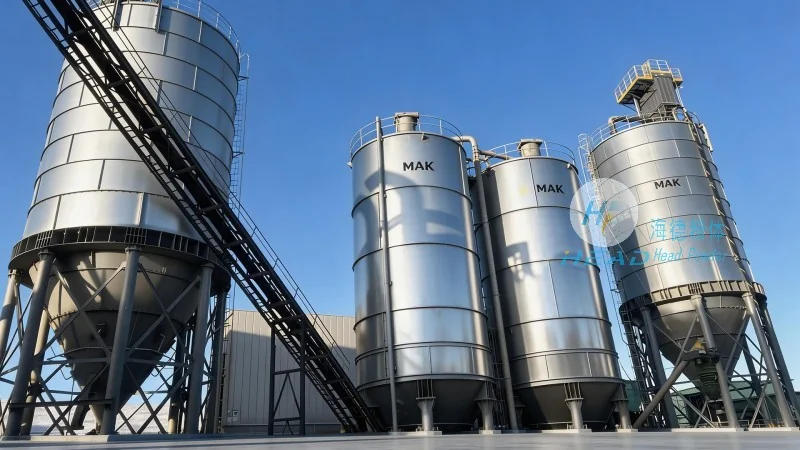
Key Components of the Pneumatic Conveying System
A typical hydrogen chloride material pneumatic conveying line consists of several essential components that work in tandem to achieve efficient transportation. The primary components include a gas compressor, which generates the necessary pressure to move the HCl material through the pipeline. The compressor is often equipped with a cooling system to prevent overheating and maintain optimal performance. Next, a gas-liquid separator is used to remove any liquid droplets or moisture from the HCl gas, ensuring that only dry gas is conveyed. This is crucial to prevent blockages and maintain the integrity of the system. A pressure regulator is also included to maintain a consistent pressure level throughout the pipeline, preventing fluctuations that could affect the flow rate. The control system, which may include sensors and a programmable logic controller (PLC), monitors the pressure, flow rate, and temperature, providing real-time data and allowing for automated adjustments. Finally, the pipeline itself is constructed from corrosion-resistant materials and is equipped with appropriate fittings and valves to control the direction and flow of the HCl material.
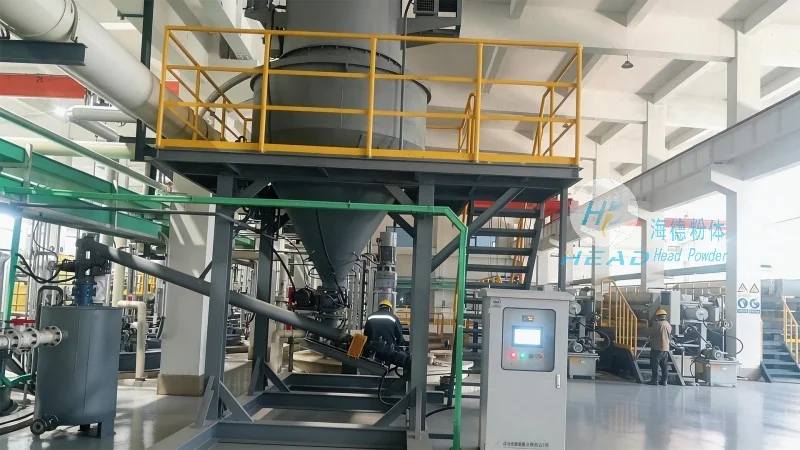
Safety Measures and Compliance
Given the hazardous nature of hydrogen chloride, safety is a top priority in the design and operation of the conveying line. The system must comply with international safety standards such as those set by the American Society of Mechanical Engineers (ASME) and the International Organization for Standardization (ISO). Regular maintenance and inspection are essential to ensure that all components are functioning correctly and that there are no signs of corrosion or wear. The system also includes emergency shutdown procedures that can be activated in case of an abnormal situation, such as a pressure spike or gas leak. Personnel operating the system must be trained on safety protocols and the proper use of personal protective equipment (PPE), including gloves, goggles, and respirators. Additionally, the system may be equipped with gas detection sensors that alert operators to any leaks or abnormal gas concentrations, allowing for immediate action to prevent accidents.
Applications and Benefits
Hydrogen chloride material pneumatic conveying lines are widely used in various industrial applications where HCl is a key component. These include the production of PVC (polyvinyl chloride), which requires large quantities of HCl for the synthesis of vinyl chloride monomer (VCM). Other applications include the manufacturing of chlorinated organic compounds, such as chloroform and carbon tetrachloride, and in the production of certain pharmaceuticals and specialty chemicals. The benefits of using a pneumatic conveying system for HCl transportation include improved safety due to enclosed pipelines, reduced labor costs as the system operates automatically, and increased efficiency due to the ability to transport large volumes of material over long distances. Additionally, the system minimizes the risk of spills and leaks, which can be costly and environmentally damaging.