Sub-Zinc oxide pneumatic conveying systems represent a specialized technology used in material handling, particularly for the transport of zinc oxide and related powders. These systems are engineered to efficiently move fine particulate materials through a pipeline using compressed air or other gas as the conveying medium. The core of such a system lies in its ability to handle the unique properties of zinc oxide, which includes its fine particle size, potential for static charge, and sensitivity to moisture or agglomeration.
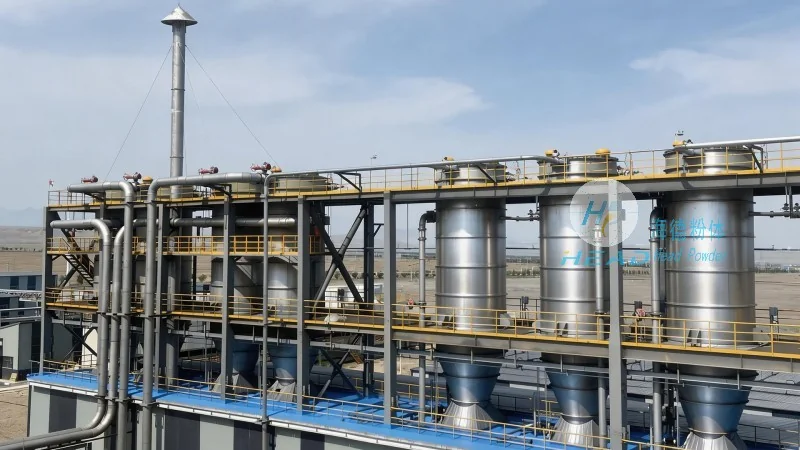
Understanding the Sub-Zinc Oxide Pneumatic Conveying System
At its essence, a sub-zinc oxide pneumatic conveying system is a closed-loop or open-loop system designed to transport zinc oxide powder from a source, such as a storage silo or hopper, to a destination, like a processing unit or packaging area. The system operates by creating a pressure differential within the pipeline, either by suction (negative pressure) or pressure (positive pressure), to draw or push the powder along with the gas stream. This method is preferred over traditional mechanical conveying for its ability to handle delicate powders without causing degradation, breakage, or contamination.
Key Design Principles of the System
The design of a sub-zinc oxide pneumatic conveying system is governed by several critical principles that ensure optimal performance and material integrity. First, the system must address the challenges posed by zinc oxide's fine particle size and tendency to form dust clouds, which can lead to operational inefficiencies and safety hazards. To mitigate this, the system incorporates features like pulse-jet or rotary airlock feeders that control the flow of powder into the pipeline, preventing blockages and ensuring a consistent material feed.
Second, the system's design considers the electrostatic properties of zinc oxide. Since fine powders can generate static electricity, which may cause sparks or attract contaminants, the conveying equipment is typically grounded and equipped with anti-static measures. This includes using conductive materials for the pipeline and providing grounding points to dissipate static charges safely. Additionally, the system may incorporate humidification or moisture control mechanisms to prevent agglomeration, as moisture can cause the powder to clump together and obstruct the pipeline.
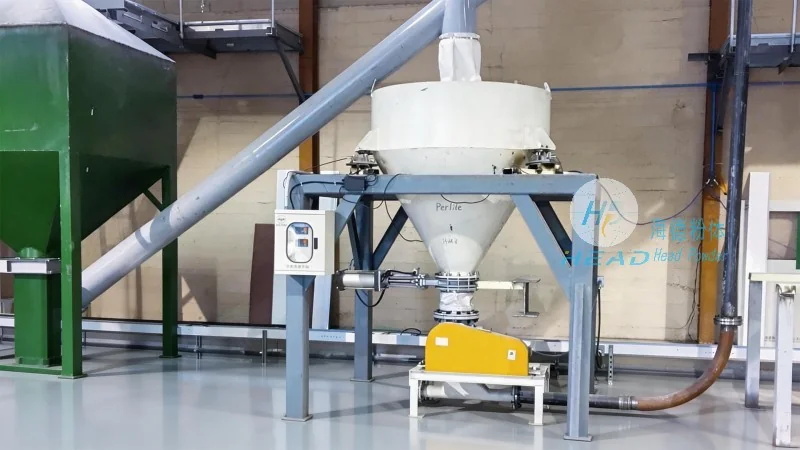
Third, the system's layout and components are tailored to minimize material degradation. This involves using smooth, corrosion-resistant materials for the pipeline, such as stainless steel or PTFE-coated tubing, to prevent abrasion and chemical reactions with the zinc oxide. The system also includes in-line filters and cyclones to separate the powder from the gas stream, ensuring that the material is collected in a clean, dry state at the destination. The design may also incorporate variable speed drives and pressure regulators to adjust the conveying rate based on the material's properties and the system's requirements, optimizing energy efficiency and operational stability.
Components and Functionality of the Sub-Zinc Oxide Pneumatic Conveying System
A typical sub-zinc oxide pneumatic conveying system consists of several key components, each playing a crucial role in the overall operation. The primary components include a material feed hopper or silo, a feeder (such as a rotary airlock or screw feeder), a pipeline system, a conveying air source (usually a blower or compressor), and a collection hopper or receiver. The feeder is responsible for controlling the flow of zinc oxide from the storage vessel into the pipeline, ensuring a consistent and controlled feed rate. The pipeline is designed with appropriate bends and elbows to maintain the flow of the powder-gas mixture, and the diameter and length are optimized to minimize pressure drop and energy consumption.
The conveying air source provides the necessary pressure or suction to move the material through the pipeline. In positive pressure systems, the blower pushes air and powder through the pipeline, while in negative pressure (suction) systems, a vacuum pump draws the material from the source. The system may also include a pulse-jet filter or cyclone separator at the receiving end to separate the powder from the air, allowing the air to be recirculated or vented safely. The collection hopper stores the conveyed zinc oxide, which can then be transferred to the next processing stage or packaged for distribution.
Advantages and Applications of the Sub-Zinc Oxide Pneumatic Conveying System
Sub-zinc oxide pneumatic conveying systems offer several advantages over traditional mechanical conveying methods. These include the ability to handle fine, delicate powders without causing degradation, the reduction of material loss and contamination due to enclosed operation, and the flexibility to transport materials over long distances or through complex layouts. The system also provides better control over the material flow rate and can be easily integrated with other processing equipment, such as mixers, classifiers, or packaging machines.
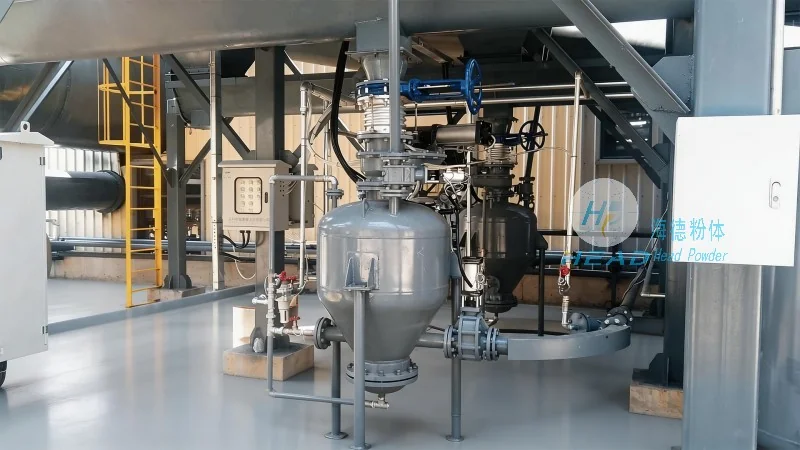
These systems are widely used in various industries, including pharmaceuticals, food processing, and chemical manufacturing, where the handling of zinc oxide and similar powders is critical. In the pharmaceutical industry, for example, the system's ability to maintain a sterile and contaminant-free environment is essential for producing high-quality zinc oxide products used in medications or cosmetics. In the food industry, the system ensures that the zinc oxide is handled hygienically and without cross-contamination from other materials. In chemical manufacturing, the system facilitates the efficient transport of zinc oxide for use in production processes, such as the manufacturing of rubber, plastics, or pigments.
About Shandong HeadPowder Engineering Co., Ltd.
Shandong HeadPowder Engineering Co., Ltd., a leading manufacturer based in China, specializes in the design, manufacturing, and installation of advanced material handling systems, including sub-zinc oxide pneumatic conveying systems. With years of experience in the industry, the company has developed a deep understanding of the unique challenges associated with handling zinc oxide and other fine powders, and has engineered solutions that meet the highest standards of performance, efficiency, and safety. The company's facilities are equipped with state-of-the-art technology and skilled personnel, ensuring that each system is tailored to the specific needs of the client and built to withstand the demands of industrial applications.
HeadPowder Engineering Co., Ltd. is committed to providing reliable and durable sub-zinc oxide pneumatic conveying systems that enhance operational efficiency and product quality. The company's products are designed with a focus on user-friendly operation, low maintenance requirements, and long service life, making them a cost-effective solution for businesses in need of efficient material handling. By leveraging their expertise and innovative approach, HeadPowder Engineering Co., Ltd. continues to be a trusted partner for companies seeking to optimize their material handling processes and improve overall productivity.




