Monosodium glutamate, commonly known as MSG, is a widely used flavor enhancer in the food industry. The efficient and safe transportation of MSG from production facilities to storage or packaging areas is crucial for maintaining product quality and operational efficiency. A pneumatic conveying system offers a reliable solution for handling this sensitive material, ensuring minimal product degradation and consistent performance. This article explores the fundamentals of a Monosodium Glutamate (MSG) pneumatic conveying system, detailing its design principles and key components.
Key Components of an MSG Pneumatic Conveying System
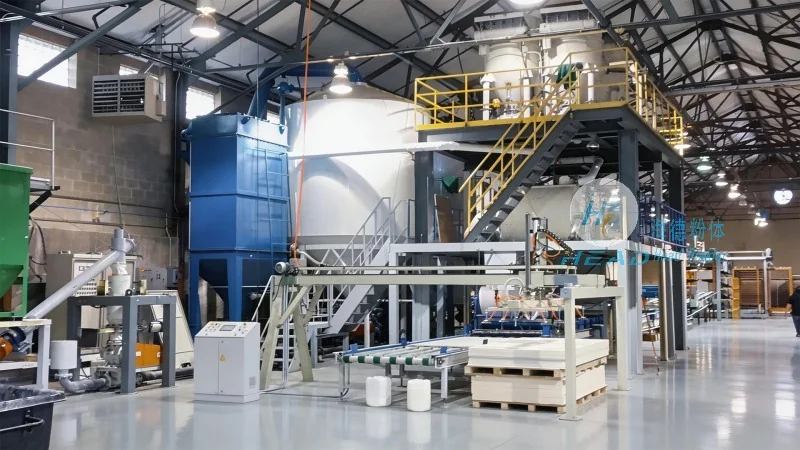
The core components of an MSG pneumatic conveying system are engineered to handle the specific properties of monosodium glutamate, including its fine particle size, hygroscopic nature, and sensitivity to moisture and temperature changes. The system typically includes a hopper for material storage, a feeder to control the flow rate, a conveying line (either positive or negative pressure), and a receiver for product collection. Each component is designed to minimize product exposure to air, moisture, and mechanical stress, which are critical factors in preserving the quality of MSG.
Design Principles for Efficient MSG Conveying
Designing an effective MSG pneumatic conveying system requires careful consideration of several key principles to ensure optimal performance and product integrity. First, the system must maintain a consistent flow rate to prevent clogging or uneven material distribution. This is achieved through precise control of the feeder and the pressure within the conveying line. Second, the use of appropriate materials for the hopper, feeder, and conveying line is essential to avoid contamination or reaction with the MSG. Stainless steel and food-grade plastics are commonly used to ensure compliance with industry standards and maintain product purity. Third, the system should incorporate features to minimize dust generation and prevent moisture absorption, as MSG is hygroscopic and can absorb moisture from the air, leading to clumping and quality issues.
Positive vs. Negative Pressure Conveying in MSG Systems
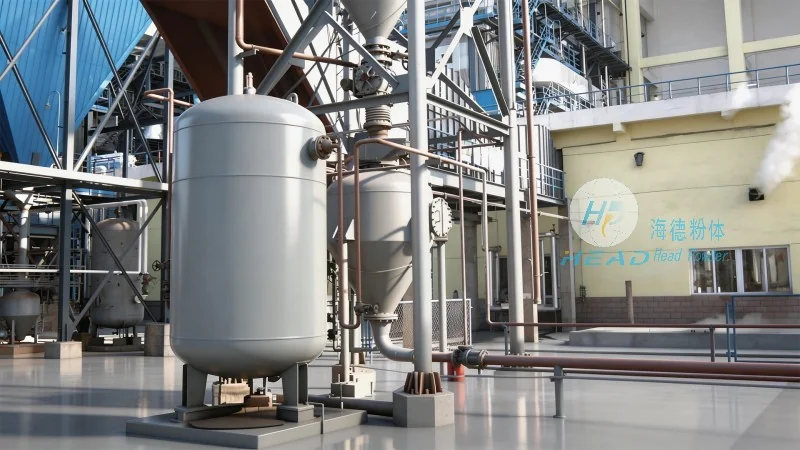
There are two primary types of pneumatic conveying systems used for MSG: positive pressure and negative pressure. Positive pressure systems use a blower to push air and material through the conveying line, while negative pressure systems use a vacuum to draw material into the line. The choice between these systems depends on the distance, height, and material characteristics. For MSG, positive pressure systems are often preferred for short to medium distances due to their ability to handle fine powders without excessive pressure drops. However, negative pressure systems may be used for longer distances or when the material is more prone to dust generation. Both systems must be designed to maintain a stable pressure and flow rate to prevent product degradation.
Ensuring Product Quality and Safety
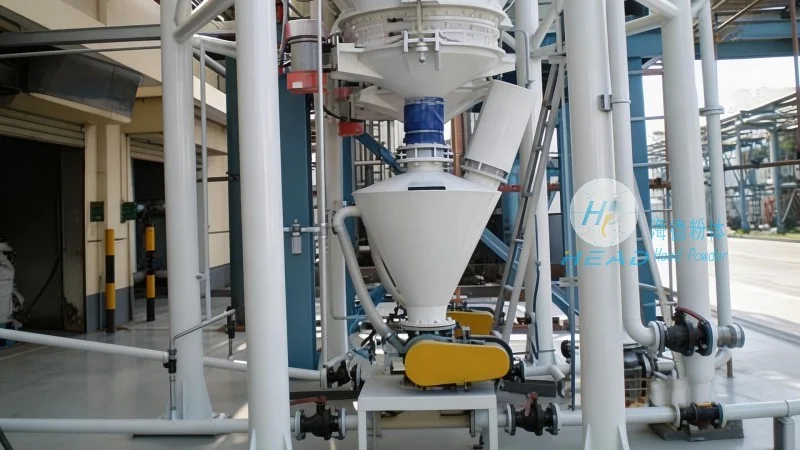
One of the most critical aspects of an MSG pneumatic conveying system is maintaining product quality and safety throughout the conveying process. This involves implementing measures to control temperature, moisture, and air exposure. The system should be equipped with temperature sensors and control mechanisms to prevent overheating, which can affect the flavor and stability of MSG. Moisture control is also essential, as MSG can absorb moisture from the air, leading to clumping and reduced shelf life. The use of sealed hoppers and conveying lines, along with proper ventilation, helps to minimize moisture exposure. Additionally, the system should include filtration and cleaning features to prevent contamination from dust or other particles, ensuring that the final product meets regulatory and quality standards.
Applications and Benefits of MSG Pneumatic Conveying
Monosodium glutamate pneumatic conveying systems are widely used in the food processing industry, particularly in the production of seasonings, soups, and other flavor-enhanced products. The benefits of using such a system include improved efficiency in material handling, reduced labor costs, and enhanced product quality. By minimizing manual handling and exposure to air, the system helps to maintain the purity and flavor of MSG, which is essential for consumer acceptance. Additionally, the automated nature of the system reduces the risk of human error and ensures consistent performance, leading to higher productivity and lower operational costs.




