For industries dealing with additives, the selection of an appropriate pneumatic conveying system is critical to operational efficiency and product integrity. Pneumatic conveying systems use air or gas to transport bulk materials, and among the various designs, positive pressure and negative pressure modes are the two primary approaches. Understanding the technical nuances of each mode is essential for optimizing material handling processes. This article provides a detailed technical analysis of these two modes, focusing on their operational principles, advantages, and typical applications, with insights from Shandong HeadPowder Engineering Co., Ltd., a leading provider in the field.
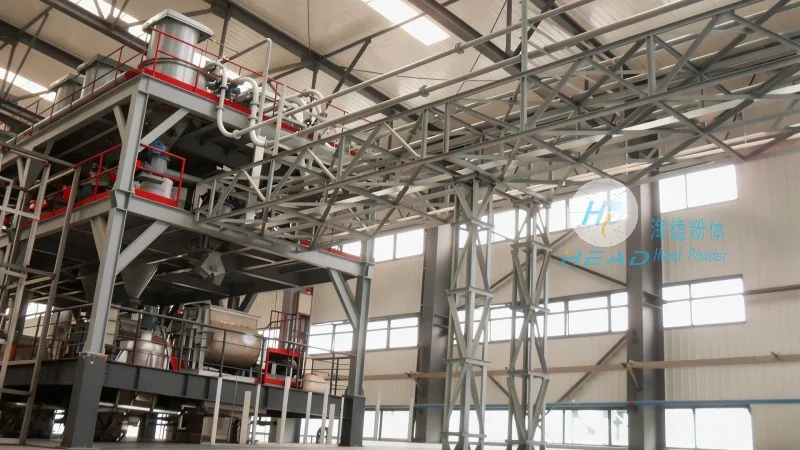
About Shandong HeadPowder Engineering Co., Ltd.
Shandong HeadPowder Engineering Co., Ltd., commonly known as HeadPowder, is a professional manufacturer and supplier specializing in pneumatic conveying systems and related engineering solutions. With a strong presence in China, particularly in Shandong, the company has built a reputation for delivering high-quality, customized solutions tailored to the specific needs of the additive industry. HeadPowder’s expertise lies in designing systems that ensure efficient, safe, and reliable material transport, adhering to industry standards and client requirements.
Positive Pressure Conveying Mode: Technical Principles and Advantages
Positive pressure conveying systems operate by generating air or gas pressure within the conveying line, which forces the material to move from the source to the destination. The system typically includes a blower or compressor that supplies pressurized air, a material feed hopper, and a conveying line. The material is drawn into the line by the pressure differential and is transported through the pipeline. This mode is particularly effective for long-distance or high-rise applications, as the positive pressure can maintain consistent flow rates over extended distances.
Key advantages of positive pressure systems include their ability to handle a wide range of materials, including powders, granules, and bulk solids, with minimal degradation. They are also suitable for applications requiring high conveying rates and can be easily integrated with existing infrastructure. Additionally, positive pressure systems offer better control over the material flow, making them ideal for processes that demand precise dosing and uniform distribution.
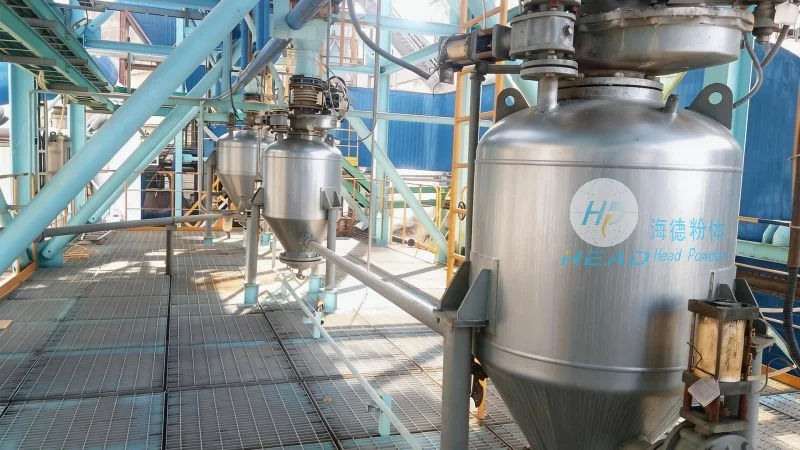
Negative Pressure Conveying Mode: Technical Principles and Advantages
Negative pressure conveying systems, also known as vacuum systems, work by creating a vacuum in the conveying line, which draws the material from the source into the line. The system uses a vacuum pump to remove air from the line, creating a pressure differential that pulls the material along. Unlike positive pressure systems, negative pressure systems do not require pressurized air to be introduced into the material stream, which can be beneficial for certain applications where air contamination is a concern.
Advantages of negative pressure systems include their ability to handle materials that are sensitive to air exposure, such as hygroscopic or reactive powders. They are also more energy-efficient for short-distance conveying, as the vacuum pump can operate at lower power levels compared to a high-pressure blower. However, negative pressure systems are generally less suitable for long-distance or high-rise applications due to the limitations of vacuum pressure and the potential for material buildup in the line.
Comparison: Positive Pressure vs. Negative Pressure Conveying Modes
When evaluating pneumatic conveying systems for additive applications, it is crucial to compare the positive and negative pressure modes based on specific operational requirements. The choice between the two depends on factors such as material characteristics, conveying distance, system complexity, and energy efficiency.
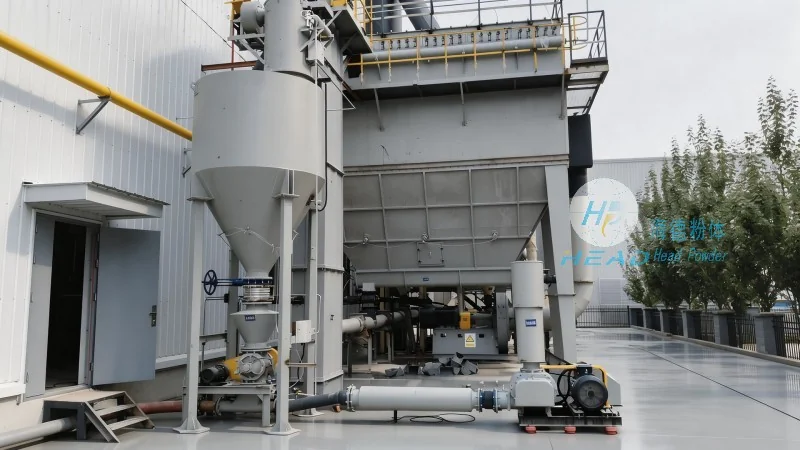
Positive pressure systems excel in long-distance and high-rise applications, offering consistent flow rates and the ability to handle abrasive or heavy materials. They are also more robust and less prone to clogging, making them suitable for continuous operation. However, they may require more maintenance due to the higher pressure components and can be more energy-intensive for very long distances.
Negative pressure systems are ideal for short-distance conveying of sensitive materials, where minimizing air exposure is critical. They are generally more energy-efficient for these applications and simpler to install, as they do not require high-pressure air handling equipment. The main drawback is their limited conveying distance and the risk of material degradation or blockages in the line.
Application Considerations and Best Practices
When selecting a pneumatic conveying system for additive processing, several factors should be considered to ensure optimal performance. First, the physical and chemical properties of the additive material, such as particle size, moisture content, and reactivity, must be evaluated. For example, hygroscopic powders may require a negative pressure system to prevent moisture absorption from the air, while abrasive materials may benefit from a positive pressure system with robust components.
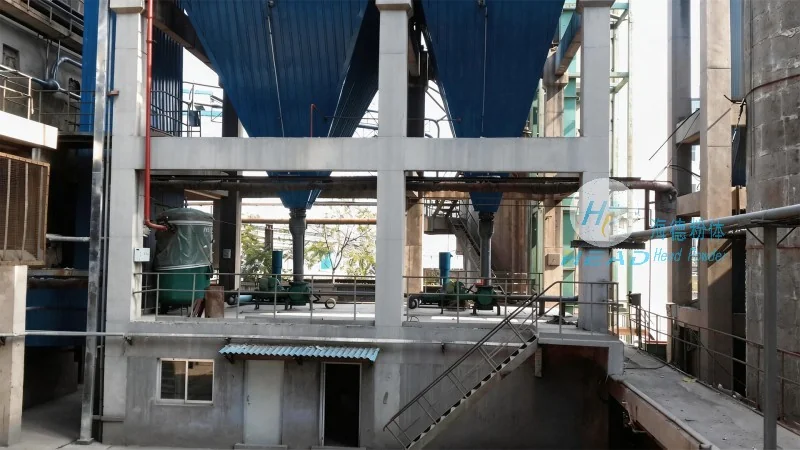
Second, the conveying distance and elevation changes should be assessed. Positive pressure systems are preferred for long distances or when transporting materials to higher elevations, as they can maintain sufficient pressure to overcome these challenges. Negative pressure systems are more suitable for short distances, such as within a plant or between adjacent buildings.
Third, system integration and maintenance should be considered. Positive pressure systems may require more complex control systems and regular maintenance of the blower or compressor, while negative pressure systems may need more frequent cleaning of the vacuum pump and line to prevent clogging. HeadPowder recommends conducting a thorough material analysis and process evaluation to determine the most appropriate mode for a given application.
Conclusion
Both positive pressure and negative pressure pneumatic conveying modes offer viable solutions for the additive industry, each with distinct advantages and limitations. Positive pressure systems are generally more versatile and suitable for long-distance or high-concentration applications, while negative pressure systems excel in handling sensitive materials over shorter distances. By understanding the technical principles and operational characteristics of each mode, industries can make informed decisions to optimize their material handling processes. Shandong HeadPowder Engineering Co., Ltd. provides expert guidance and customized solutions to help clients select and implement the most appropriate pneumatic conveying system for their specific needs, ensuring efficient, reliable, and cost-effective material transport.




