Biomass, as a renewable energy source, is pivotal to sustainable development. Efficient transportation of biomass from storage to processing units is essential for optimizing production processes. Pneumatic conveying systems have become a key technology for handling bulk materials, offering flexible and automated solutions. HeadPowder, a leading engineering firm based in Shandong, China, specializes in designing and implementing advanced pneumatic conveying equipment tailored for biomass applications.
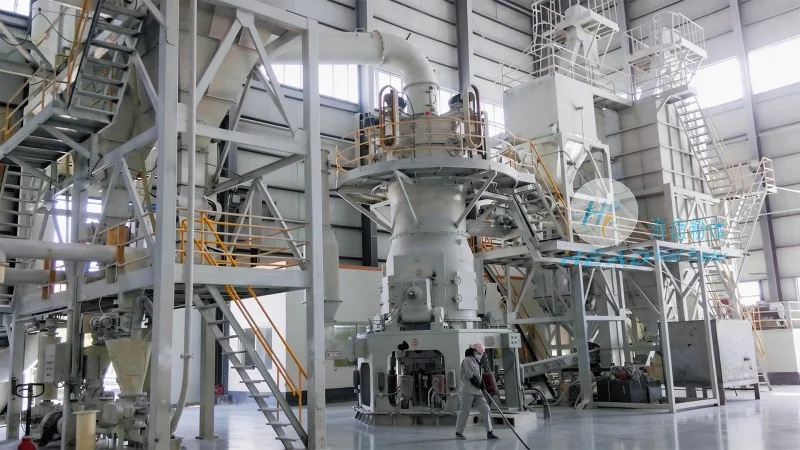
Positive Pressure Conveying Mode: Principles and Applications
Positive pressure conveying injects compressed air into the pipeline, creating pressure higher than ambient conditions. This pressurized air propels biomass particles through the system. Key components include a blower, material hopper, and a network of pipes with bends and fittings. This mode excels at long-distance transport, making it ideal for large-scale industrial operations like biomass power plants, where it can move raw materials from silos to boilers over hundreds of meters. However, the system’s complexity—requiring robust seals and pressure vessels—raises initial investment and maintenance costs. High air velocity also increases energy consumption and wear on pipeline components.
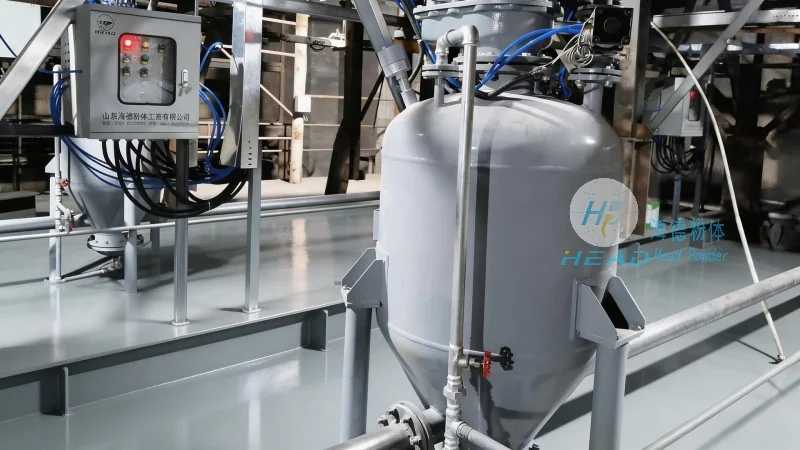
Negative Pressure Conveying Mode: Principles and Applications
Negative pressure conveying, or suction conveying, creates a vacuum in the pipeline using a vacuum pump or fan. The low pressure draws biomass into the system from the source. This mode is simpler than positive pressure systems, reducing capital and operational costs, and is suitable for short distances (typically up to 100 meters). It is preferred in applications with strict environmental or safety requirements, such as food processing, where dust control is critical. However, its main limitation is restricted maximum conveying distance, which can impact facility layout. Lower air velocity may cause material degradation for delicate biomass and increase dust generation at the inlet.
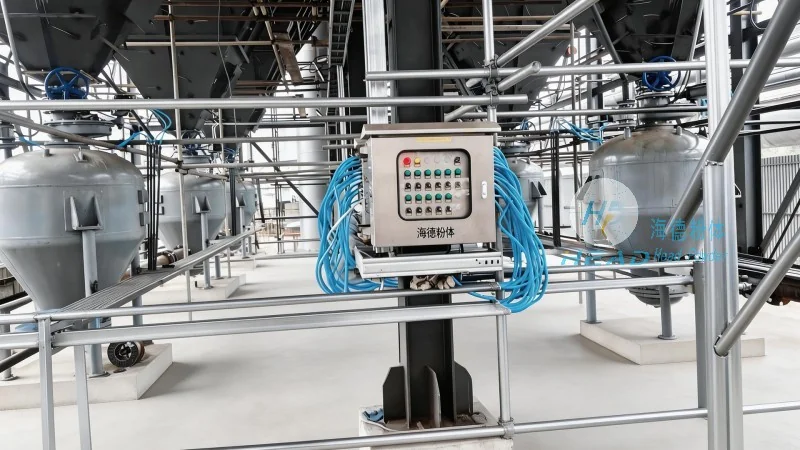
Key Factors Influencing Conveying Mode Selection
The choice between positive and negative pressure modes depends on several critical factors. First, conveying distance: long distances favor positive pressure, while short distances suit negative pressure. Second, biomass properties—particle size, moisture, and density—dictate system requirements. Coarse or high-moisture biomass may need higher air velocities, better addressed by positive pressure. Third, environmental and safety needs: positive pressure systems risk dust leakage and require stringent sealing, whereas negative pressure offers better containment but may generate noise and need careful ventilation. Finally, cost considerations: positive pressure has higher upfront costs due to high-pressure blowers and sealed components, while negative pressure has lower initial costs but higher maintenance from continuous suction and wear.
HeadPowder's Expertise in Biomass Pneumatic Conveying
HeadPowder Engineering Co., Ltd., based in Shandong, China, leverages decades of experience to design customized pneumatic conveying solutions for biomass industries. Engineers conduct thorough site assessments to evaluate material characteristics, distance, and operational constraints. By integrating advanced control systems and high-quality components, HeadPowder ensures optimal efficiency and reliability. The company’s commitment to innovation and customer satisfaction makes it a trusted partner for biomass processing facilities worldwide, providing tailored solutions that enhance productivity while minimizing environmental impact.
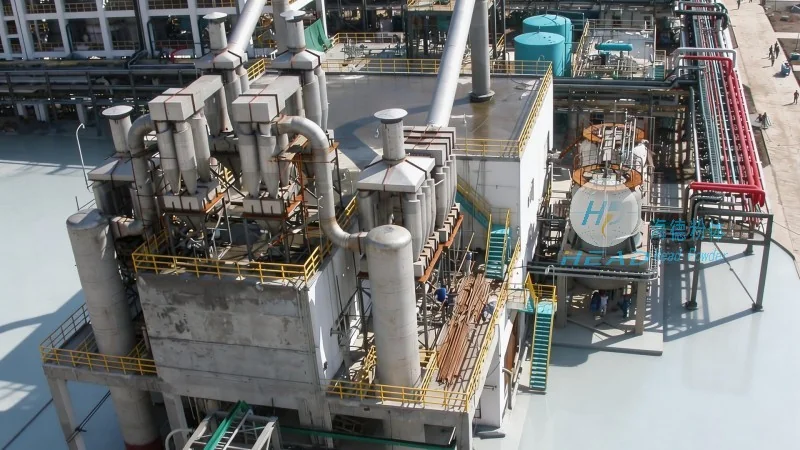
Conclusion: Balancing Efficiency and Practicality
In summary, selecting a pneumatic conveying mode for biomass is a critical decision affecting efficiency, cost, and environmental compliance. Positive pressure systems excel in long-distance, high-volume transport but have higher complexity and costs. Negative pressure systems offer simplicity and better containment for short distances but have limitations in range and material handling. HeadPowder’s expertise in both technologies enables clients to choose the most suitable solution based on specific needs, ensuring biomass is transported safely, efficiently, and sustainably. As renewable energy demand grows, advanced pneumatic conveying systems will play an increasingly vital role, with companies like HeadPowder at the forefront of providing innovative solutions to meet these challenges.




