

What is Ceramic Powder Pneumatic Conveying Equipment? What Are Its Design Principles?
Understanding the design principles and applications of ceramic powder pneumatic conveying equipment is crucial for industries dealing with fine, abrasive, or sensitive powders. This equipment, commonly used in manufacturing and processing sectors, efficiently transports materials through a pneumatic system, offering advantages over traditional methods like bulk handling or manual transport.
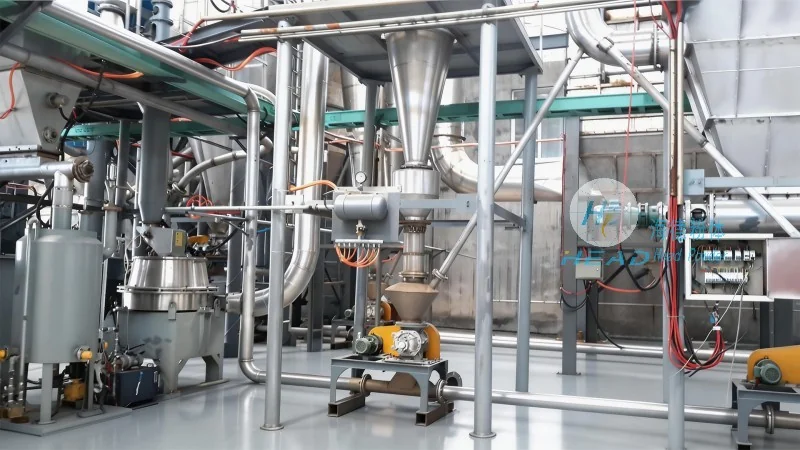
About HeadPowder: Your Expert in Pneumatic Conveying Solutions
HeadPowder, or Shandong HeadPowder Engineering Co., Ltd., is a leading manufacturer specializing in advanced pneumatic conveying systems. With a focus on innovation and precision engineering, the company has established itself as a trusted partner for businesses seeking reliable solutions for material handling. HeadPowder’s expertise lies in designing equipment tailored to the unique requirements of ceramic powder applications, ensuring optimal performance and durability.
What is Ceramic Powder Pneumatic Conveying Equipment?
Ceramic powder pneumatic conveying equipment is a system designed to transport fine ceramic powders, such as those used in ceramics, glass, or refractory industries, through a pressurized or vacuum air stream. Unlike traditional mechanical conveyors, this equipment relies on air pressure or suction to move materials, reducing wear and tear on components and minimizing product contamination. The system typically includes a hopper, a conveying line, and a discharge mechanism, all integrated to handle the specific characteristics of ceramic powders—like high abrasiveness or low bulk density.
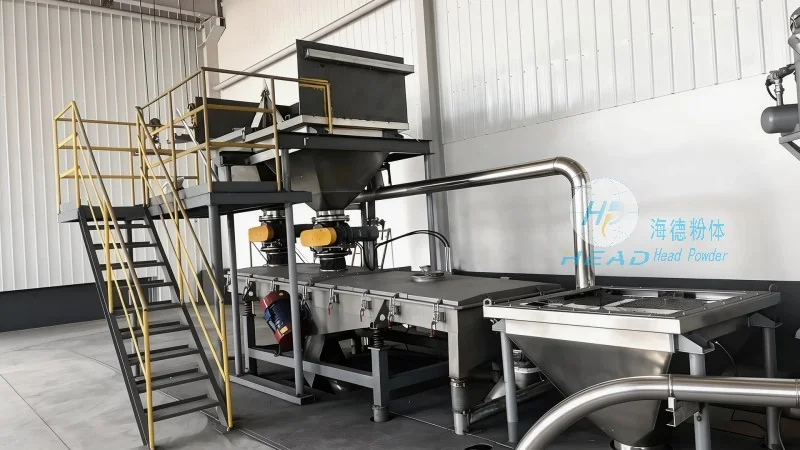
Key Design Principles of Ceramic Powder Pneumatic Conveying Systems
The design of ceramic powder pneumatic conveying equipment is governed by several critical principles to ensure efficient and safe operation. First, the system must accommodate the physical properties of ceramic powders, including particle size, density, and flowability. Engineers at HeadPowder consider these factors when selecting the appropriate air velocity and pressure levels to prevent particle degradation or blockages. Second, the equipment is designed with corrosion-resistant materials, such as stainless steel or specialized coatings, to withstand the abrasive nature of ceramic powders and maintain hygiene standards. Third, the system incorporates features like pulse jets or rotary valves to control the flow of powder, ensuring consistent and controlled delivery to the destination. Additionally, the design emphasizes energy efficiency, using optimized air flow and pressure to minimize operational costs while maximizing throughput.
Components and Functionality of the Equipment
The core components of a ceramic powder pneumatic conveying system include the material hopper, which stores the powder and feeds it into the conveying line; the air compressor or vacuum pump, which generates the necessary pressure or suction; the conveying line, typically made of flexible or rigid tubing, which transports the powder-air mixture; and the discharge mechanism, which separates the powder from the air and delivers it to the target location. The hopper is often equipped with a feeder, such as a rotary valve or screw feeder, to regulate the flow of powder into the system. The conveying line may include bends, elbows, or filters to maintain the integrity of the powder and prevent clogging. The discharge unit, such as a cyclone separator or bag filter, ensures that the powder is collected efficiently while the air is returned to the system or vented safely.
Advantages of Using Ceramic Powder Pneumatic Conveying Equipment
Implementing ceramic powder pneumatic conveying equipment offers several advantages over traditional handling methods. First, it provides a clean and dust-free transfer of materials, reducing the risk of contamination and improving product quality. Second, the system minimizes product degradation by avoiding mechanical friction or impact, which is critical for sensitive ceramic powders. Third, it enhances operational efficiency by enabling continuous, automated material transport, reducing labor costs and increasing production throughput. Fourth, the equipment is compact and flexible, allowing for easy integration into existing production lines or reconfiguration for different applications. Finally, the system is energy-efficient, with optimized air flow and pressure reducing operational costs over time.
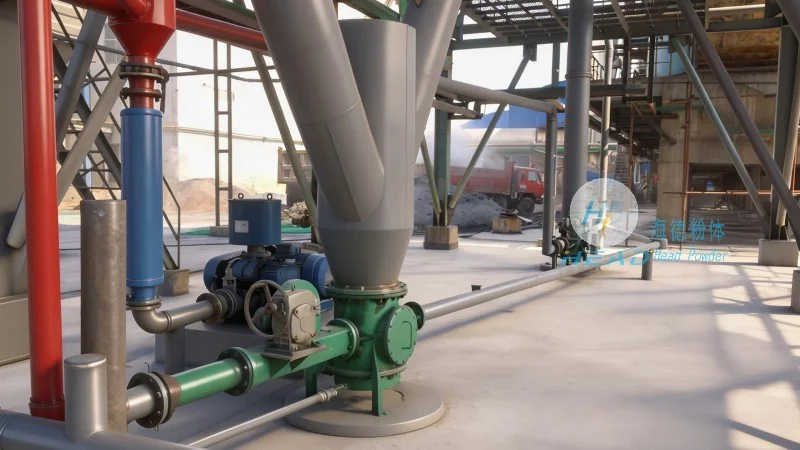
Applications in Various Industries
Ceramic powder pneumatic conveying equipment is widely used across multiple industries due to its versatility and effectiveness. In the ceramics industry, it is used to transport raw materials like clay, feldspar, and silica to production lines. In the glass industry, it handles fine glass powders for batch processing. The refractory industry utilizes the system to transport high-temperature-resistant powders for furnace construction. Additionally, in pharmaceutical and food processing sectors, the equipment is adapted to handle fine powders with strict hygiene requirements, ensuring compliance with regulatory standards. HeadPowder’s customized solutions cater to these diverse applications, providing tailored equipment that meets industry-specific needs.
Conclusion: The Role of HeadPowder in Advancing Pneumatic Conveying Technology
As a leading manufacturer, HeadPowder continues to innovate in the design and development of ceramic powder pneumatic conveying equipment. By adhering to rigorous engineering principles and leveraging advanced materials, the company ensures that its products deliver reliable performance, efficiency, and durability. The design principles outlined above highlight the importance of understanding material properties, optimizing air flow, and incorporating robust components to create a system that meets the demands of modern industrial applications. For businesses seeking to enhance their material handling processes, HeadPowder’s expertise in pneumatic conveying technology offers a reliable solution, enabling efficient, safe, and cost-effective transport of ceramic powders.