Understanding the fundamentals of bentonite pneumatic conveying equipment is crucial for industries that rely on efficient material handling solutions. This equipment plays a vital role in transporting bentonite, a natural clay with unique properties, through a pneumatic system. The design principles behind such equipment are engineered to optimize performance, ensure safety, and maintain the integrity of the material being conveyed.
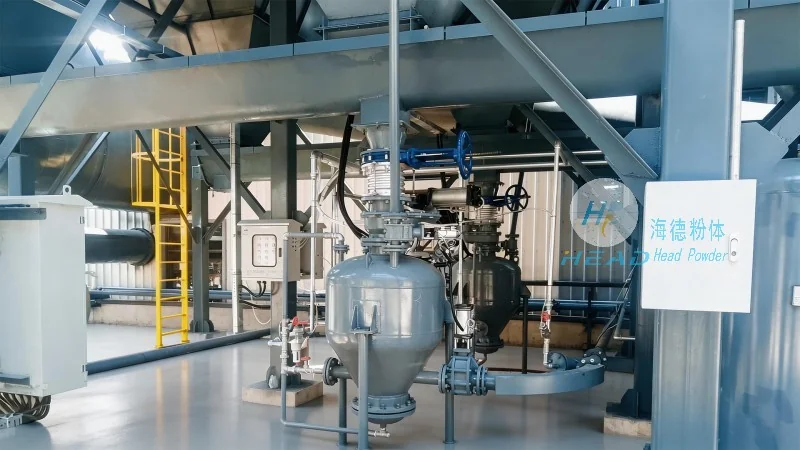
Introduction to Bentonite Pneumatic Conveying Equipment
Bentonite, a type of clay composed primarily of montmorillonite, is widely used in various applications, including drilling fluids, foundry sands, and environmental remediation. The need to transport this material efficiently has led to the development of specialized pneumatic conveying systems. These systems utilize air or gas to move the material from one location to another, eliminating the need for traditional mechanical conveyors that may cause material degradation or contamination.
Key Components of Bentonite Pneumatic Conveying Systems
The bentonite pneumatic conveying equipment typically consists of several key components that work in tandem to ensure smooth operation. These include the material feed hopper, which holds the bentonite and controls the flow rate; the air compressor or blower, which generates the necessary air pressure to move the material; the conveying line, which transports the material through a pipeline; and the discharge hopper or collection tank, where the material is deposited. Each component is designed to handle the specific characteristics of bentonite, such as its fine particle size and cohesive nature.
Design Principles for Efficient Material Handling
The design of bentonite pneumatic conveying equipment is guided by several key principles aimed at maximizing efficiency and minimizing operational issues. One of the primary principles is the selection of appropriate air velocity and pressure. The air velocity must be high enough to entrain the bentonite particles but low enough to prevent excessive wear on the conveying line and to avoid material degradation. The pressure levels are carefully calibrated to ensure consistent material flow without causing blockages or pressure spikes.
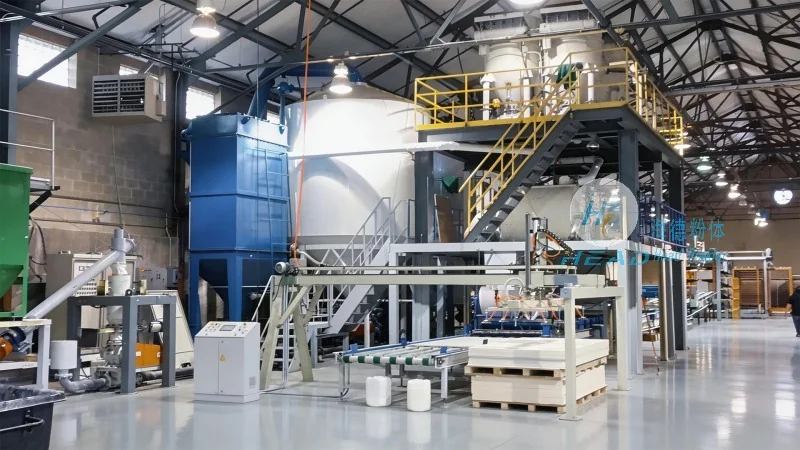
Another critical design principle is the consideration of the material's physical properties. Bentonite is a fine, cohesive powder that can easily agglomerate or form clumps. Therefore, the equipment incorporates features such as agitators or vibrators in the feed hopper to prevent material bridging and ensure a consistent feed rate. Additionally, the conveying line is often equipped with bends and elbows that are designed with smooth transitions to minimize pressure losses and prevent particle accumulation.
Advantages of Using Bentonite Pneumatic Conveying Equipment
Implementing bentonite pneumatic conveying equipment offers several advantages over traditional material handling methods. One of the most significant benefits is the ability to transport the material over long distances without the need for multiple transfer points or intermediate storage. This reduces the risk of contamination and ensures a continuous flow of material. Additionally, the pneumatic system is less prone to material degradation compared to mechanical conveyors, which can cause attrition and reduce the quality of the bentonite.
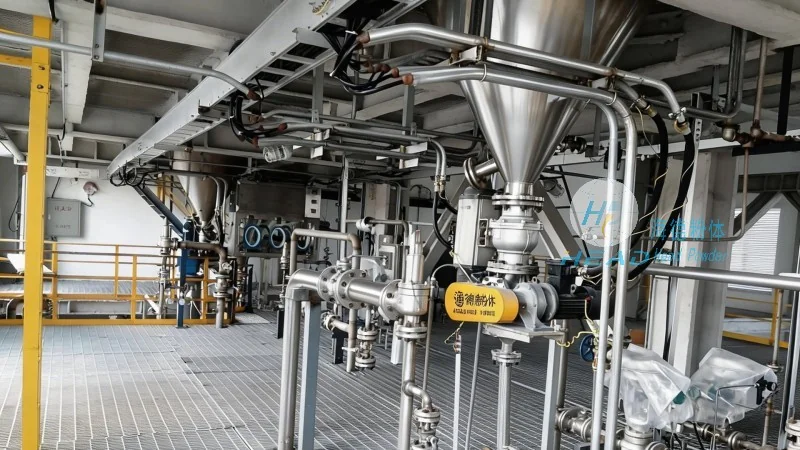
Furthermore, the equipment is designed to be compact and space-efficient, making it suitable for installation in confined areas. The use of air as the conveying medium also allows for easy integration with existing facilities and reduces the need for extensive infrastructure modifications. Overall, the design and operation of bentonite pneumatic conveying equipment provide a reliable and efficient solution for handling this important industrial material.
About Shandong HeadPowder Engineering Co., Ltd.
Shandong HeadPowder Engineering Co., Ltd., commonly known as headpowder, is a leading manufacturer of specialized material handling equipment. With a focus on innovation and quality, the company has developed advanced solutions for the transportation of various industrial materials, including bentonite. Headpowder's expertise in pneumatic conveying systems ensures that their equipment meets the highest standards of performance and reliability. The company's commitment to customer satisfaction and technical excellence has made it a trusted partner for industries worldwide.
Headpowder's facilities are located in Shandong, China, where the company leverages its local resources and expertise to deliver cutting-edge solutions tailored to the specific needs of its clients. The company's team of engineers and technicians is dedicated to providing comprehensive support, from equipment design and manufacturing to installation and maintenance. By choosing headpowder, industries can benefit from reliable, efficient, and cost-effective material handling solutions that enhance their operational efficiency and product quality.




