For agricultural operations dealing with paddy grain, efficient and reliable material handling is crucial. Among the various technologies available, pneumatic conveying systems have emerged as a preferred solution for transporting paddy grain from one location to another. This article aims to explore what a paddy grain pneumatic conveying equipment is and delve into its fundamental design principles, providing insights into how these systems operate and their significance in modern grain processing.
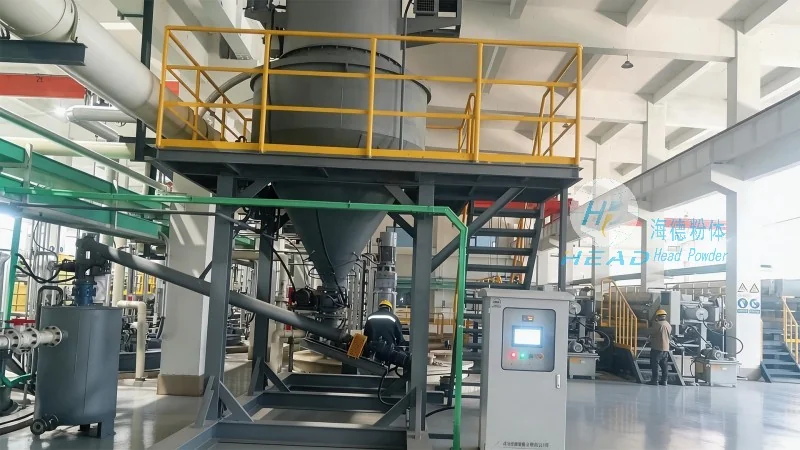
Introduction to Paddy Grain Pneumatic Conveying Equipment
Paddy grain pneumatic conveying equipment is a specialized system designed to transport paddy grains through a pipeline using air or gas as the conveying medium. Unlike traditional mechanical conveyors that rely on belts, screws, or buckets, pneumatic systems utilize the force of air to move grains, making them particularly suitable for handling bulk materials like paddy in a controlled and efficient manner. The equipment typically consists of several key components, including a hopper for material storage, a blower or compressor to generate airflow, a pipeline network to direct the flow, and a discharge point for the material. By leveraging the principles of fluid dynamics, these systems can transport paddy grains over considerable distances with minimal loss and high efficiency.
Key Components of Paddy Grain Pneumatic Conveying Systems
The effectiveness of a paddy grain pneumatic conveying system depends largely on its well-designed components. The primary components include:
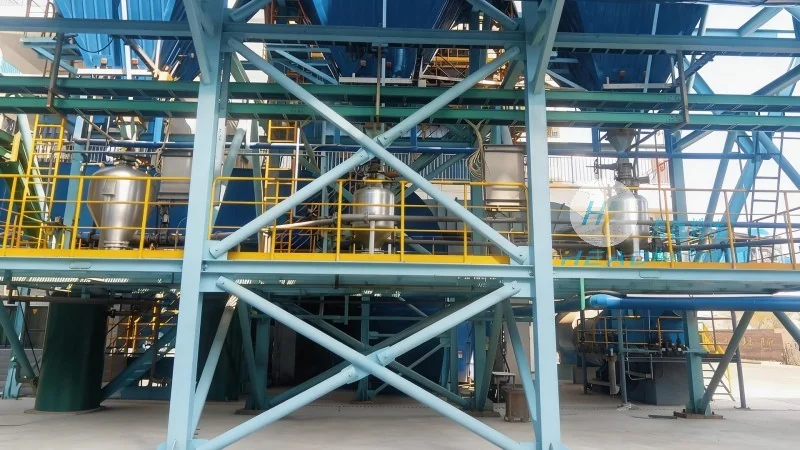
- Material Hopper: This is the initial storage unit where paddy grains are loaded. It is usually equipped with a feeding mechanism, such as a rotary valve or a gate, to regulate the flow of grains into the system. The hopper is designed to prevent material buildup and ensure a consistent feed rate.
- Blower or Compressor: The heart of the pneumatic system, the blower or compressor generates the necessary airflow to move the grains. It can be either a positive displacement blower or a centrifugal fan, depending on the system's requirements. The choice of equipment affects the system's pressure and airflow capacity, which are critical for efficient grain transport.
- Pipeline Network: The pipeline, often made of metal or plastic, forms the path through which the grains and air travel. The design of the pipeline, including its diameter, length, and bends, impacts the system's performance. Properly sized and configured pipelines minimize pressure losses and ensure smooth material flow.
- Conveying Nozzles and Ducts: These components are strategically placed along the pipeline to control the direction and speed of the grain-air mixture. Nozzles and ducts help in directing the flow to the discharge point, ensuring that the grains are deposited accurately without causing blockages or excessive wear.
- Filter and Dust Collection System: As paddy grains are transported, fine particles and dust are generated. A filter and dust collection system is essential to capture these particles, preventing contamination and ensuring compliance with environmental regulations. This component typically includes a cyclone separator or a bag filter to clean the exhaust air.
Design Principles Behind Paddy Grain Pneumatic Conveying Equipment
The design of paddy grain pneumatic conveying equipment is guided by several key principles to ensure optimal performance and efficiency. These principles are tailored to the specific characteristics of paddy grains, such as their size, density, and moisture content. The primary design considerations include:
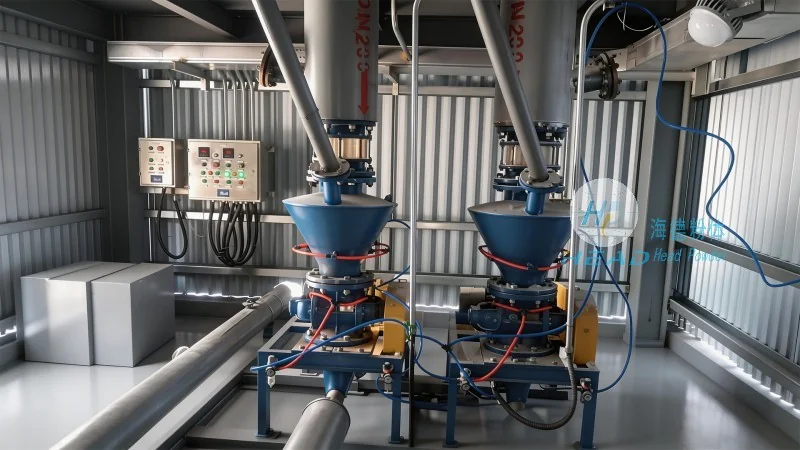
- Pressure and Flow Rate Management: The system must maintain an appropriate pressure and flow rate to move the grains through the pipeline without causing excessive wear or blockages. The pressure is typically measured in terms of absolute or gauge pressure, and the flow rate is adjusted based on the material's properties and the distance to be covered.
- Material Handling Efficiency: The design aims to minimize material degradation and loss during transport. This involves selecting the right blower speed, pipeline diameter, and conveying velocity. Proper velocity ensures that the grains are carried without settling or causing abrasion to the pipeline.
- Energy Efficiency: Modern pneumatic conveying systems are designed to be energy-efficient, reducing operational costs. This is achieved through optimized component selection, such as using high-efficiency blowers and minimizing pressure losses in the pipeline. Energy consumption is a critical factor in the overall cost-effectiveness of the system.
- System Reliability and Maintenance: The design incorporates features that enhance system reliability and ease of maintenance. This includes using durable materials for the pipeline and components, providing easy access for cleaning and maintenance, and incorporating safety features to prevent accidents.
Applications and Benefits of Paddy Grain Pneumatic Conveying Equipment
Paddy grain pneumatic conveying equipment finds extensive applications in various stages of grain processing and handling. Some common applications include:
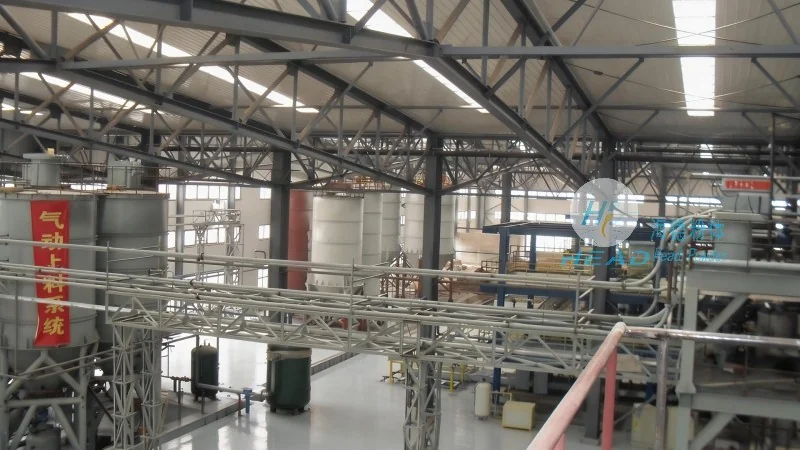
- Harvesting and Storage: After harvesting, paddy grains are often transported from the field to storage facilities. Pneumatic conveyors can efficiently move large quantities of grains over short to medium distances, reducing the need for manual handling and minimizing the risk of damage.
- Processing and Milling: In rice mills, pneumatic systems are used to transport paddy grains from storage to processing units, such as hullers and polishers. This ensures a continuous flow of material, improving the overall efficiency of the milling process.
- Transportation to Markets: Pneumatic conveyors can also be used to transport paddy grains from processing facilities to distribution centers or markets. This allows for the efficient movement of bulk materials without the need for intermediate storage or handling.
The benefits of using paddy grain pneumatic conveying equipment are numerous. These systems offer high efficiency in material transport, reduced labor costs, and improved safety compared to traditional methods. Additionally, they help in maintaining the quality of the paddy grains by minimizing exposure to moisture and contaminants during transport. The ability to handle large volumes of material in a compact and flexible system makes pneumatic conveying an attractive option for modern agricultural operations.
Conclusion
Paddy grain pneumatic conveying equipment is a sophisticated and efficient solution for handling bulk paddy grains. By understanding its design principles and components, agricultural operations can select and implement systems that meet their specific needs. The technology offers significant advantages in terms of efficiency, cost-effectiveness, and material quality, making it a valuable asset in modern grain processing. As the demand for efficient grain handling continues to grow, pneumatic conveying systems are likely to remain a key component in the agricultural industry, supporting the sustainable and productive processing of paddy grains.




