

What Are Inorganic Salt Crystal Material Pneumatic Conveying Equipment? And What Are Its Design Prin
Understanding the role and design principles of pneumatic conveying equipment for inorganic salt crystals is crucial for industries dealing with such materials. This equipment is engineered to efficiently transport fine or crystalline inorganic salts, ensuring minimal loss and optimal performance in various processing applications.
Key Components and Working Principle
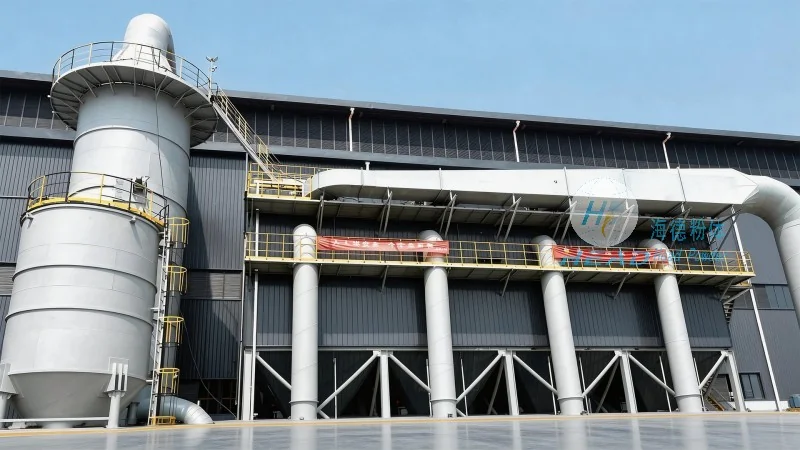
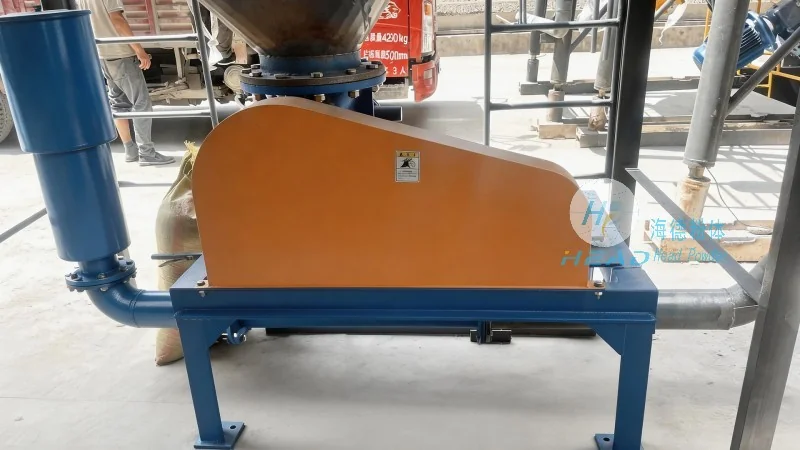
The core components of an inorganic salt crystal pneumatic conveying system typically include a hopper for material storage, a rotary valve or feeder to control the flow rate, a conveying pipeline, a fan or blower to generate the air flow, and a receiver or discharge unit. The working principle involves feeding the inorganic salt crystals into the hopper, where they are then metered by the feeder. The fan then creates a high-velocity air stream that lifts and transports the crystals through the pipeline to the discharge point. This process relies on the principle of fluidization and suspension, where the material particles are kept in suspension by the air flow, preventing blockages and ensuring smooth transport.
Design Considerations for Inorganic Salt Crystal Materials
Designing a pneumatic conveying system for inorganic salt crystals requires careful consideration of several factors. The particle size, density, and moisture content of the salt are critical as they affect the flow characteristics and the required air velocity. For instance, finer crystals may need higher air velocities to maintain suspension, while larger crystals might require a different pipeline diameter and pressure. Additionally, the corrosive nature of some inorganic salts necessitates the use of materials like stainless steel or special coatings for the equipment components to prevent degradation and ensure durability. The system's design also considers the need for dust collection and filtration to comply with environmental regulations and maintain air quality in the processing environment.
Applications and Benefits
Inorganic salt crystal pneumatic conveying equipment is widely used in industries such as chemical manufacturing, food processing, and pharmaceuticals. Its primary benefits include high efficiency in material transport, reduced labor costs compared to manual handling, and the ability to handle materials in a closed system, minimizing contamination and environmental impact. The equipment also allows for precise control over the flow rate, enabling consistent product quality and process reliability. Furthermore, the compact design of modern pneumatic conveying systems makes them suitable for integration into existing production lines, optimizing space utilization and operational efficiency.
About Shandong HeadPowder Engineering Co., Ltd.
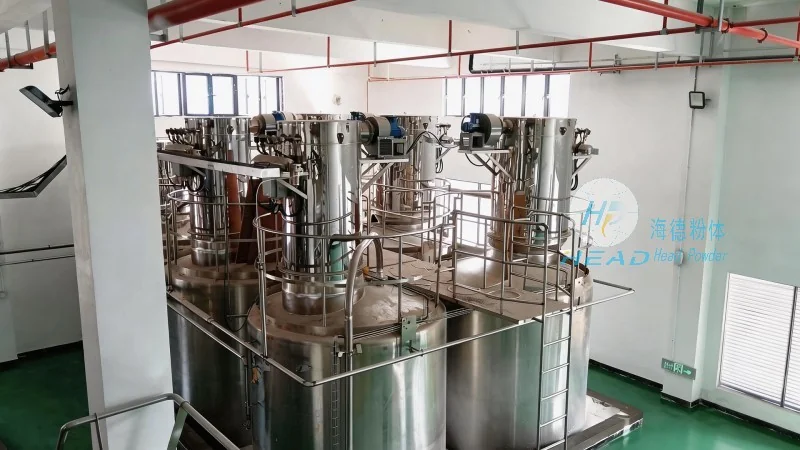
Shandong HeadPowder Engineering Co., Ltd., a leading manufacturer in the field, specializes in designing and manufacturing high-quality pneumatic conveying equipment tailored to the needs of inorganic salt crystal processing. With years of experience and a commitment to innovation, the company provides customized solutions that meet the specific requirements of clients, ensuring reliable and efficient material handling. The company's products are engineered with advanced technology and rigorous quality control to deliver superior performance and durability, supporting the long-term operational needs of industrial clients. HeadPowder's expertise in material handling systems positions them as a trusted partner for businesses seeking efficient and reliable solutions for inorganic salt crystal transportation.