

What is Feather Pneumatic Conveying, Classification and Applications of Pneumatic Conveying
Understanding the fundamentals of pneumatic conveying systems is crucial for industries that handle bulk materials. Among the various types of pneumatic conveying, feather pneumatic conveying stands out due to its unique characteristics and applications. This article explores the concept of feather pneumatic conveying, its classification, and practical applications in industrial settings.
Introduction to Pneumatic Conveying and Feather Pneumatic Conveying
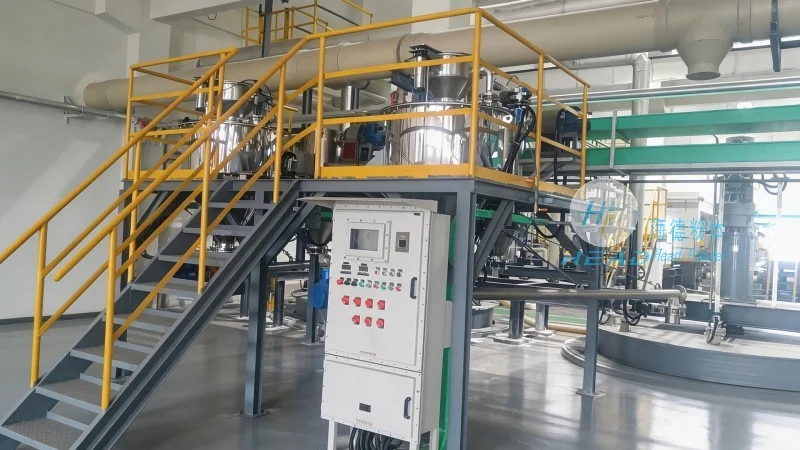
Pneumatic conveying is a method of transporting bulk materials through a pipeline using air or other gases. It offers advantages such as flexibility, efficiency, and the ability to handle a wide range of materials, from powders to granules. Feather pneumatic conveying, as a specialized form, utilizes specific design elements to enhance performance and suitability for particular materials.
What is Feather Pneumatic Conveying?
Feather pneumatic conveying refers to a type of pneumatic conveying system that incorporates feather-like components or structures within the conveying pipeline. These components, often made of flexible or porous materials, help to reduce particle separation and improve material flow. The design aims to minimize material degradation and ensure consistent conveying performance, making it ideal for delicate or sensitive materials.
Key Features of Feather Pneumatic Conveying
Feather pneumatic conveying systems are characterized by several key features that distinguish them from conventional pneumatic conveying. These include enhanced material handling capabilities, reduced wear and tear on equipment, and improved energy efficiency. The use of feather-like elements helps to maintain a uniform flow of material, preventing blockages and ensuring smooth operation. Additionally, these systems are often more adaptable to variations in material properties, such as particle size and density.
Classification of Pneumatic Conveying Systems
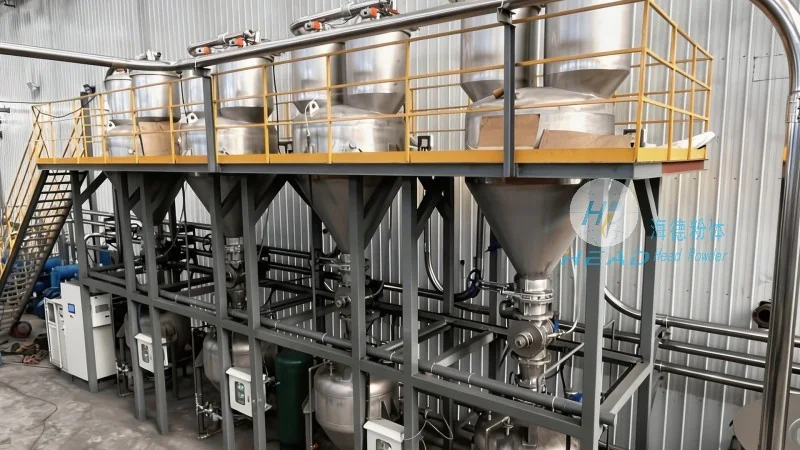
Pneumatic conveying systems can be broadly classified into two main categories: pressure and vacuum systems. Each type has its own advantages and is suitable for different applications.
Pressure Pneumatic Conveying
Pressure systems operate by introducing air or gas under pressure into the conveying line at the discharge end. This method is commonly used for short-distance conveying and for materials that are less abrasive or sensitive. The pressure helps to push the material through the pipeline, ensuring consistent flow and preventing material buildup.
Vacuum Pneumatic Conveying
Vacuum systems, on the other hand, create a negative pressure at the intake end, drawing material into the pipeline. This approach is ideal for long-distance conveying and for materials that need to be transported from a source to a destination without the need for high pressure. Vacuum systems are often more energy-efficient for longer distances and can handle materials that are more prone to dust or contamination.
Applications of Feather Pneumatic Conveying
Feather pneumatic conveying is widely used in various industries due to its ability to handle delicate and sensitive materials. Some common applications include:
Pharmaceutical Industry
In the pharmaceutical sector, feather pneumatic conveying is used to transport powders and granules, such as active pharmaceutical ingredients (APIs) and excipients. The system's gentle handling reduces the risk of material degradation, ensuring product quality and compliance with regulatory standards.
Food and Beverage Industry
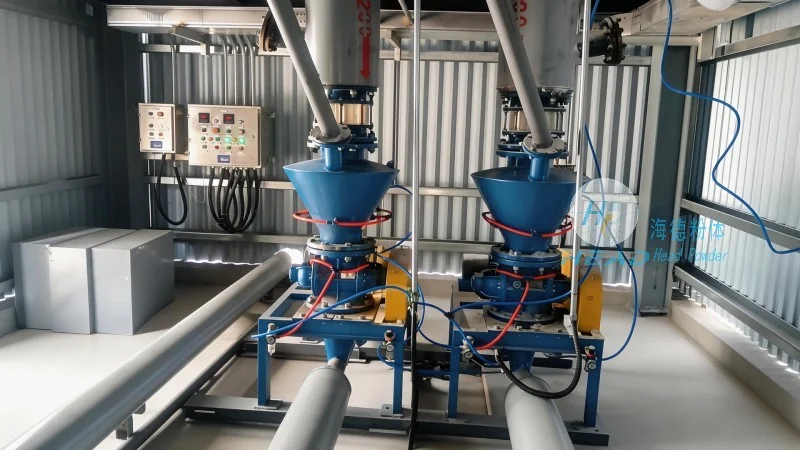
For food processing, feather pneumatic conveying is employed to transport ingredients like flour, sugar, and spices. The design minimizes contamination and preserves the quality of the food products, making it suitable for applications where hygiene and product integrity are paramount.
Chemical Industry
In the chemical industry, feather pneumatic conveying is used to handle various powders and granules, including chemicals and catalysts. The system's ability to handle abrasive and corrosive materials makes it a preferred choice for industries that require reliable and efficient material transport.
Mineral and Mining Industry
Feather pneumatic conveying is also utilized in the mineral and mining sector to transport raw materials and processed products. The system's durability and adaptability make it suitable for handling materials with varying particle sizes and densities, ensuring efficient operation in mining operations.
Conclusion
Feather pneumatic conveying is a specialized and effective method of material transport that offers numerous advantages over traditional pneumatic conveying systems. By incorporating feather-like components, these systems enhance material flow, reduce degradation, and improve overall performance. The classification of pneumatic conveying systems, including pressure and vacuum types, provides flexibility for different industrial applications. As industries continue to demand efficient and reliable material handling solutions, feather pneumatic conveying remains a valuable technology for handling delicate and sensitive materials across various sectors.