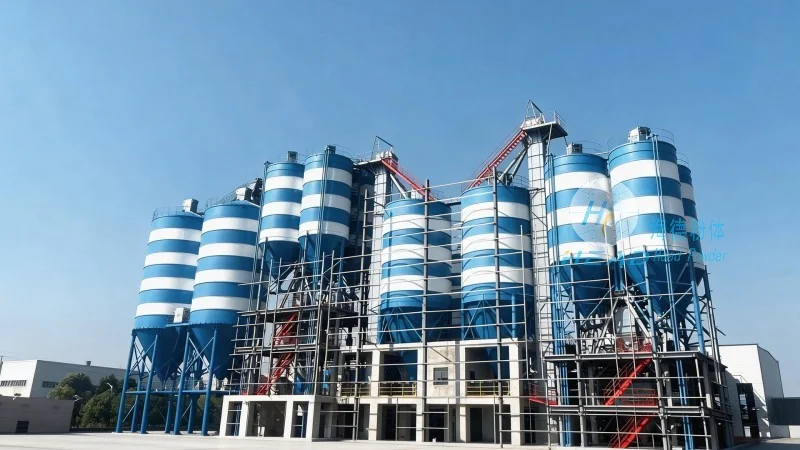
Dry slurry pneumatic conveying is a specialized technology for transporting dry powders and slurries using air or gas as the conveying medium. This method offers significant advantages over traditional mechanical conveyors, particularly for materials that are prone to caking, agglomeration, or contamination. The process involves suspending the material in a stream of air and transporting it through a pipeline to the destination. This article provides an overview of dry slurry pneumatic conveying, categorizes the different types of pneumatic conveying systems, and explores their practical applications in various industrial sectors.
Introduction to Dry Slurry Pneumatic Conveying Technology
Dry slurry pneumatic conveying, also referred to as dry powder conveying, is a non-contact method of material handling that eliminates the need for mechanical components like belts or screws. The system operates by feeding dry material into a hopper or rotary valve, which then mixes the material with a controlled flow of air or gas. The resulting mixture is transported through a pipeline to the receiving end, where a separator separates the material from the air and a filter captures any fine particles. This technology is particularly effective for handling materials that are sensitive to moisture, temperature changes, or mechanical stress, as it maintains the material's integrity throughout the process.
Core Components of Dry Slurry Pneumatic Conveying Systems
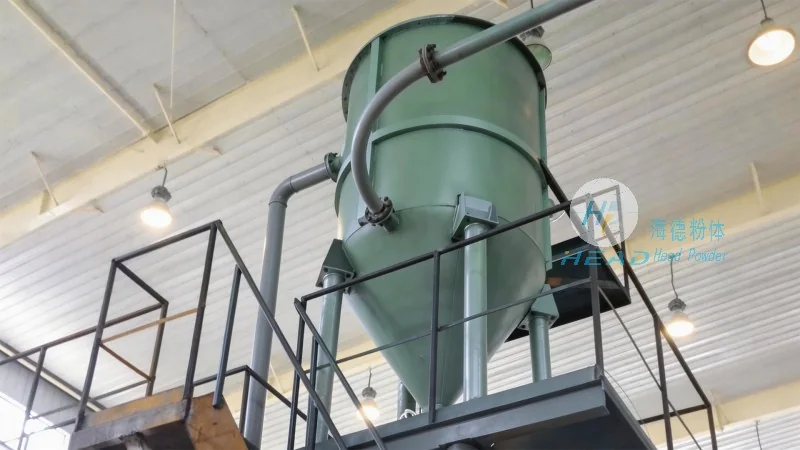
The efficiency and reliability of a dry slurry pneumatic conveying system depend on several critical components. The material feed system, which can include hoppers, rotary valves, or vibratory feeders, ensures a consistent flow of material into the conveying line. The conveying line itself is typically made of metal or plastic and is designed to withstand the pressure and temperature of the system. The air or gas source, usually a blower or compressor, provides the necessary pressure or vacuum to move the material. A separator, often a cyclone or bag filter, is essential for separating the material from the air at the end of the line, and a filter system prevents dust emissions and maintains air quality. The control system, which regulates the flow of material and air, is another key component that ensures smooth operation and prevents blockages or overloads.
Classification of Pneumatic Conveying Systems
Pneumatic conveying systems are primarily classified into two categories: pressure systems and vacuum systems. Pressure systems operate by forcing air or gas into the conveying line under positive pressure, while vacuum systems use a vacuum to draw material into the line. Within these main categories, there are further subtypes based on the velocity and pressure levels used. For example, pressure systems can be divided into high-pressure and low-pressure systems, with high-pressure systems typically used for longer distances or higher flow rates. Vacuum systems include low and high vacuum options, with low vacuum systems suitable for short distances and low flow rates, and high vacuum systems used for longer distances or more demanding applications. The choice of system depends on factors such as the distance to be covered, the material's properties (e.g., particle size, density, and moisture content), and the required flow rate.
Applications of Pneumatic Conveying in Industrial Settings
Dry slurry pneumatic conveying is widely adopted across various industries due to its versatility and efficiency. In the pharmaceutical industry, it is used to transport active pharmaceutical ingredients (APIs) and excipients, ensuring that the materials remain sterile and free from contamination. The system maintains the product's quality and prevents cross-contamination, which is critical in pharmaceutical manufacturing. In the food and beverage industry, dry slurry pneumatic conveying is employed to handle dry powders such as flour, sugar, and spices, preserving the product's freshness and flavor. The technology is also used in the chemical industry for transporting powders like catalysts, pigments, and fertilizers, which are sensitive to moisture and temperature changes. Additionally, in the mining and minerals sector, it is utilized to transport ore and other bulk materials from processing plants to storage facilities, improving operational efficiency and reducing material loss.
Advantages of Dry Slurry Pneumatic Conveying
There are several key advantages to using dry slurry pneumatic conveying systems. One of the primary benefits is the ability to handle materials that are difficult to transport using traditional methods, such as those that are abrasive, corrosive, or prone to caking. The system eliminates the need for mechanical contact with the material, reducing wear and tear on equipment and extending its lifespan. Another advantage is the flexibility in system layout, as it can be installed in various configurations to suit the specific needs of a facility, including vertical, horizontal, or inclined lines. Dry slurry pneumatic conveying is also energy-efficient, as it uses less power to transport materials over long distances compared to other methods like belt conveyors or screw conveyors. Furthermore, the system offers improved safety, as it reduces the risk of material spillage and dust exposure, which is particularly important in industries dealing with hazardous materials.
Challenges and Mitigation Strategies
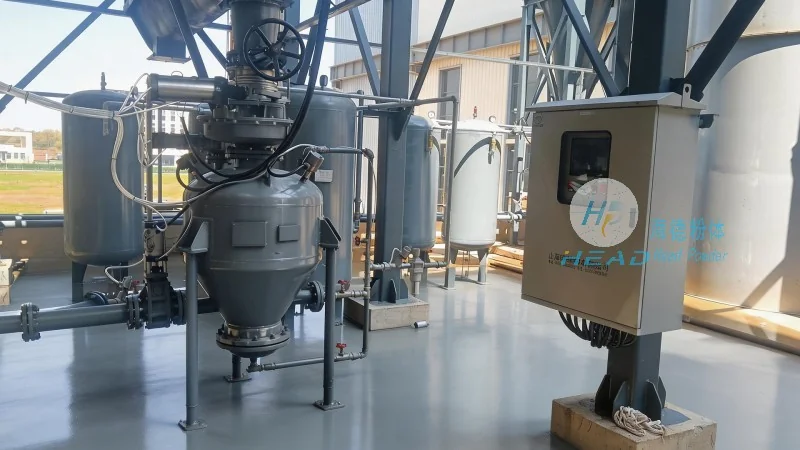
Despite its benefits, dry slurry pneumatic conveying systems also present some challenges that need to be addressed. One of the main issues is the potential for blockages in the conveying line, which can be caused by material buildup, air leaks, or incorrect system design. To mitigate this, regular maintenance and cleaning of the system are essential, including checking for air leaks, cleaning the separator and filter, and ensuring proper material flow. Another challenge is the need for proper air filtration to prevent dust emissions and maintain air quality, which is critical in compliance with environmental regulations. Additionally, the initial investment cost for a dry slurry pneumatic conveying system can be higher than for other conveyor types, although the long-term savings in maintenance and operational costs often outweigh this initial expense. Proper system design and sizing, based on the material's properties and the required flow rate, can help minimize these challenges and ensure optimal performance.
Conclusion
Dry slurry pneumatic conveying is a reliable and efficient technology for transporting dry materials in various industrial applications. By understanding the different types of pneumatic conveying systems and their applications, industries can select the most suitable system for their specific needs. As technology continues to advance, dry slurry pneumatic conveying systems are becoming more sophisticated, offering even greater efficiency, flexibility, and reliability in bulk material handling. The technology's ability to handle a wide range of materials and its non-contact operation make it an essential solution for modern industrial processes.




