HeadPowder, a leading engineering firm based in Shandong, China, specializes in the design and implementation of advanced material handling systems, including pneumatic conveying solutions for agricultural products like paddy grain. This article explores the fundamentals of paddy grain pneumatic conveying, the various classifications of pneumatic conveying systems, and their practical applications in modern agricultural processing.
Pneumatic Conveying: An Overview
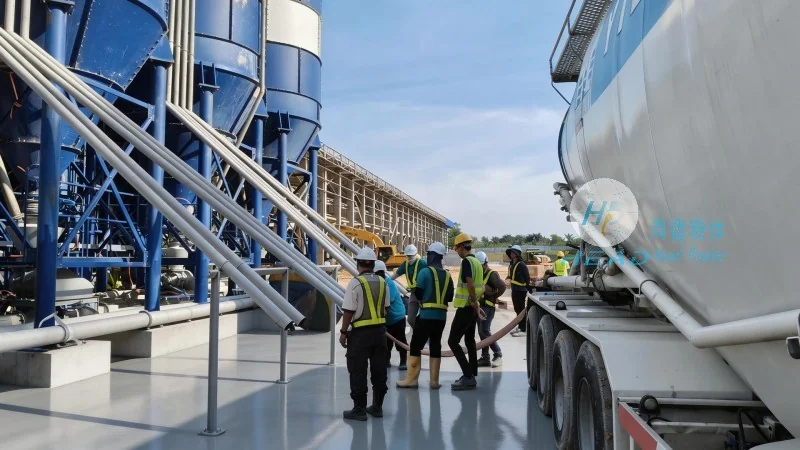
Pneumatic conveying is a method of transporting bulk materials, such as grains, powders, and granules, using air or other gases as the conveying medium. Unlike traditional mechanical conveyors, which rely on physical components like belts or buckets, pneumatic systems utilize pressure differentials to move materials through a pipeline network. This technology offers several advantages, including flexibility in layout, reduced maintenance requirements, and the ability to handle materials that are difficult to transport with conventional methods. For paddy grain, which is often handled in large volumes and requires efficient, dust-free transfer, pneumatic conveying has become a preferred solution in the agricultural sector.
How Paddy Grain Pneumatic Conveying Works
The process of paddy grain pneumatic conveying typically involves a series of steps. First, the paddy grain is fed into a hopper or storage silo. From there, the grain is drawn into a conveying line using a vacuum or pressure system. The conveying medium, usually air, is introduced into the pipeline, creating a flow that transports the grain from the source to the destination. The system may include components like rotary valves, filters, and dust collectors to ensure efficient and clean operation. The entire process is controlled by a system of sensors and controls that monitor pressure, flow rate, and material level, ensuring optimal performance and preventing blockages or other issues.
Classification of Pneumatic Conveying Systems
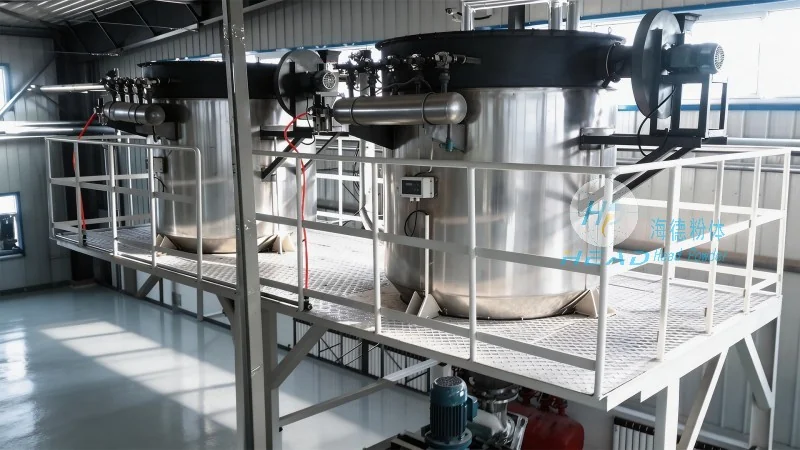
Pneumatic conveying systems are generally classified into two main categories: pressure and vacuum systems. Pressure systems operate by forcing air or gas into the conveying line, creating a positive pressure that pushes the material forward. These systems are typically used for short to medium distances and are suitable for materials that are less prone to segregation or degradation under pressure. Vacuum systems, on the other hand, create a negative pressure in the line, drawing the material from the source and pulling it through the pipeline. Vacuum systems are often used for longer distances and are ideal for handling materials that are more sensitive to pressure changes or for applications where the material needs to be transported from multiple sources.
Applications of Pneumatic Conveying in Paddy Grain Processing
Pneumatic conveying plays a crucial role in various stages of paddy grain processing. One common application is the transfer of paddy grain from storage silos to processing facilities, such as mills or cleaning stations. This allows for efficient and continuous operation, as the grain can be moved without the need for manual handling or additional equipment. Another application is the conveying of paddy grain from the field to storage facilities, where the grain is collected and stored before further processing. Pneumatic systems are also used in the transportation of paddy grain to markets or distribution centers, ensuring that the grain reaches its destination in a timely and efficient manner.
Advantages of Paddy Grain Pneumatic Conveying
There are several key advantages to using pneumatic conveying for paddy grain. First, the system is highly flexible, allowing for changes in layout or expansion of the processing facility without major modifications. Second, pneumatic conveying is more hygienic and dust-free compared to traditional methods, which is important for maintaining the quality and safety of the grain. Third, the system is energy-efficient, as it uses less power than mechanical conveyors for the same volume of material. Finally, pneumatic conveying reduces labor costs and improves safety by minimizing the need for manual handling and reducing the risk of accidents.
Considerations for Implementing Paddy Grain Pneumatic Conveying
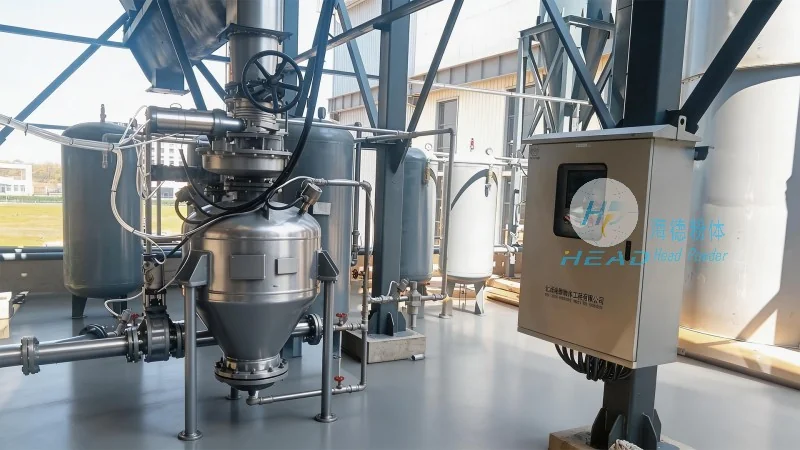
When implementing a pneumatic conveying system for paddy grain, several factors need to be considered. First, the type of system (pressure or vacuum) must be chosen based on the distance, material characteristics, and layout of the facility. Second, the design of the system must take into account the flow rate, pressure requirements, and material properties to ensure optimal performance. Third, the system must be equipped with appropriate filters and dust collectors to prevent contamination and ensure compliance with environmental regulations. Finally, regular maintenance and monitoring are essential to ensure the longevity and efficiency of the system.
Conclusion
Paddy grain pneumatic conveying is a vital technology in modern agricultural processing, offering efficient, flexible, and hygienic solutions for the handling and transportation of paddy grain. With the expertise of companies like Shandong HeadPowder Engineering Co., Ltd., based in Shandong, China, businesses can implement advanced pneumatic conveying systems that meet their specific needs and improve overall operational efficiency. By understanding the fundamentals of pneumatic conveying, the different classifications, and the practical applications, stakeholders in the agricultural industry can make informed decisions about the best material handling solutions for their operations.




