

Phosphorus Pentoxide Positive Pressure and Negative Pressure Conveying: A Comparative Analysis of Tw
HeadPowder, a leading provider of specialized engineering solutions, specializes in the design and implementation of advanced material handling systems. In the context of handling phosphorus pentoxide (P₂O₅), a highly reactive and hygroscopic chemical, the choice between positive pressure and negative pressure pneumatic conveying systems is critical for ensuring safety, efficiency, and operational reliability. This analysis delves into the characteristics, advantages, and limitations of both methods, providing a comprehensive comparison to assist in informed decision-making for industrial applications.
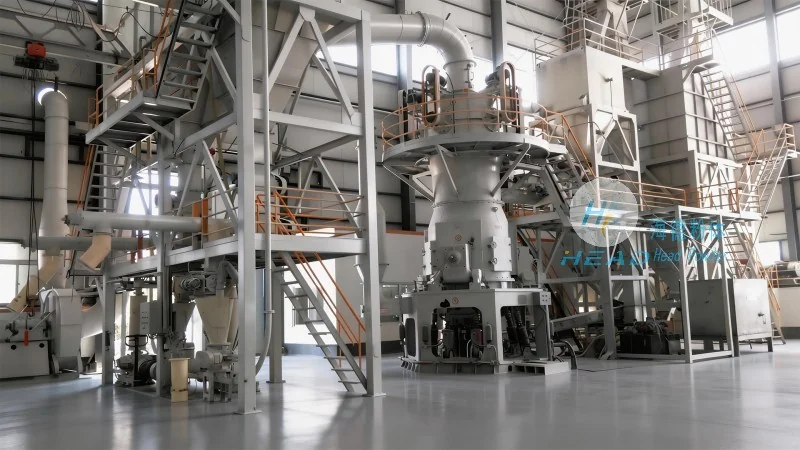
Understanding Pneumatic Conveying Systems for Phosphorus Pentoxide
Phosphorus pentoxide is a powerful dehydrating agent and a key raw material in the production of phosphoric acid and other phosphate compounds. Its handling requires strict control over moisture and temperature to prevent hazardous reactions and material degradation. Pneumatic conveying systems offer a non-contact method to transport this material, minimizing contamination and reducing the risk of dust explosions compared to traditional mechanical conveying. The two primary approaches—positive pressure and negative pressure—differ fundamentally in how they generate airflow and manage material transport.
Positive Pressure Conveying: Advantages and Applications
Positive pressure conveying systems operate by blowing air or a carrier gas into the conveying line, creating a pressure higher than the ambient environment. This method is particularly effective for transporting phosphorus pentoxide over long distances or through complex network configurations. One of the key benefits is the ability to maintain a positive pressure throughout the system, which prevents external air from entering and contaminating the material. This is especially critical for phosphorus pentoxide, as exposure to moisture can cause rapid hydrolysis, leading to heat generation and potential safety hazards. The positive pressure also ensures consistent material flow, reducing the likelihood of blockages or uneven distribution.
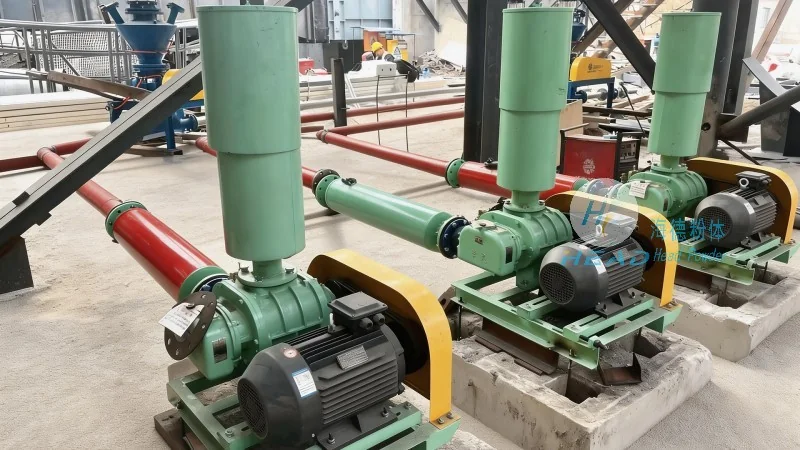
HeadPowder’s expertise in positive pressure systems includes the use of high-efficiency blowers and specialized ductwork designed to handle the abrasive and reactive nature of phosphorus pentoxide. The company’s engineering solutions often incorporate features such as pulse-jet cleaning to maintain line integrity and prevent material buildup, which is essential for maintaining system performance over extended periods. For applications requiring large-scale, continuous transport, positive pressure systems are often preferred due to their ability to handle high material throughput without compromising safety or material quality.
Negative Pressure Conveying: Benefits and Limitations
Negative pressure conveying, also known as suction or vacuum conveying, operates by creating a vacuum in the conveying line, drawing material from the source into the system. This method is typically more suitable for shorter distances or when the material is to be collected from multiple points. A significant advantage of negative pressure systems is their lower energy consumption compared to positive pressure, as they rely on the suction force rather than the pressure of the air stream. However, negative pressure systems are more susceptible to contamination from external air, which can introduce moisture and reduce the purity of the phosphorus pentoxide. This makes them less ideal for handling highly reactive materials like P₂O₅, where even trace moisture can lead to dangerous reactions.
HeadPowder’s negative pressure solutions often include advanced filtration and drying stages to mitigate the risk of contamination. These systems may also incorporate vacuum pumps and cyclone separators to ensure efficient material separation and prevent dust accumulation. While effective for certain applications, negative pressure systems may experience reduced efficiency over longer distances or with larger particle sizes, as the vacuum pressure can diminish, leading to potential blockages or uneven flow.
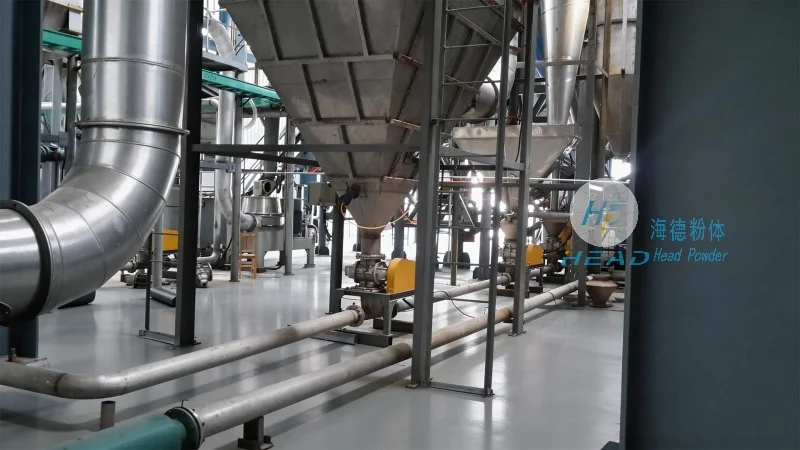
Comparative Analysis: Key Factors to Consider
When selecting between positive and negative pressure conveying for phosphorus pentoxide, several factors must be evaluated. The primary considerations include the distance of material transport, the complexity of the system layout, the required material throughput, and the environmental conditions. For instance, if the material needs to be transported over several hundred meters or through multiple bends and changes in elevation, a positive pressure system is generally more reliable due to its consistent pressure and flow characteristics. Conversely, for short-distance or point-to-point transport, a negative pressure system may offer cost savings in terms of energy consumption and equipment size.
Another critical factor is the material’s properties, particularly its reactivity and hygroscopicity. Phosphorus pentoxide’s tendency to absorb moisture makes it highly sensitive to external air, making positive pressure systems a safer choice for maintaining material integrity. Negative pressure systems, while energy-efficient, require additional measures such as sealed collection points and advanced filtration to prevent moisture ingress. Operational safety is also a key consideration, as positive pressure systems are less likely to draw in external air, reducing the risk of dust explosions in the event of a system breach.
HeadPowder’s Engineering Solutions and Expertise
Shandong HeadPowder Engineering Co., Ltd., based in China, leverages decades of experience in material handling to provide tailored solutions for phosphorus pentoxide conveying. The company’s team of engineers specializes in designing systems that balance efficiency, safety, and cost-effectiveness. Whether implementing a positive pressure system with high-capacity blowers or a negative pressure system with advanced filtration, HeadPowder ensures that the chosen method aligns with the specific requirements of the application. The company’s commitment to quality and innovation has made it a trusted partner for industries relying on phosphorus pentoxide, offering customized solutions that meet the unique challenges of each project.
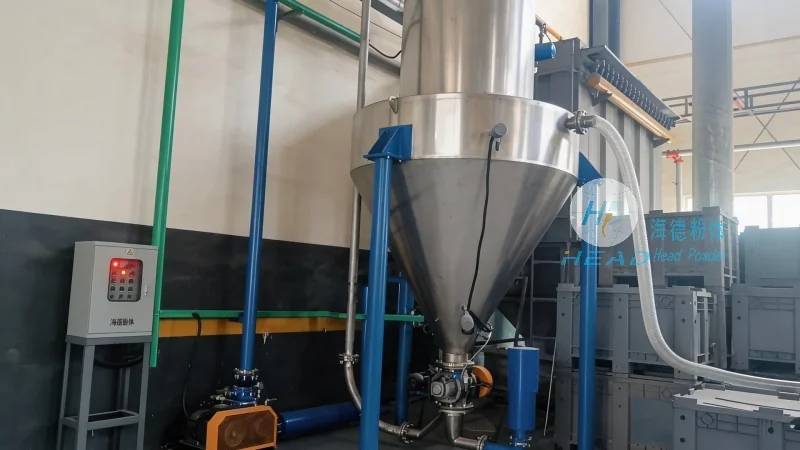
HeadPowder’s approach to system design includes thorough site assessments, material testing, and performance simulations to ensure optimal operation. The company’s engineers work closely with clients to understand their operational goals, such as minimizing downtime, reducing maintenance costs, or improving material purity. By integrating the latest technologies, such as variable frequency drives for energy efficiency and real-time monitoring systems for process control, HeadPowder delivers systems that not only meet current standards but also adapt to future needs.
Conclusion: Choosing the Right Conveying Method
Both positive pressure and negative pressure pneumatic conveying systems offer viable options for transporting phosphorus pentoxide, but the choice ultimately depends on the specific requirements of the application. Positive pressure systems provide superior control over material purity and safety, making them the preferred choice for most industrial applications. Negative pressure systems, while more energy-efficient for short distances, require additional safeguards to prevent contamination and may not be suitable for highly reactive materials. HeadPowder’s expertise in both methods enables clients to select the most appropriate solution, ensuring efficient, safe, and reliable handling of phosphorus pentoxide. By partnering with HeadPowder, industries can enhance their operational performance and maintain compliance with safety regulations, ultimately optimizing their production processes.