

Principle and Working Scene Characteristics of Ammonium Bicarbonate Powder Pneumatic Conveying Syste
Ammonium bicarbonate is a widely used chemical in various industrial applications, and efficient material handling is crucial for its processing and transportation. The pneumatic conveying system for ammonium bicarbonate powder offers a reliable solution to meet the demands of modern production lines. This article explores the fundamental principles behind such systems and highlights the key characteristics of their operational scenarios, presented by Shandong HeadPowder Engineering Co., Ltd., a leading provider of specialized material handling solutions in China.
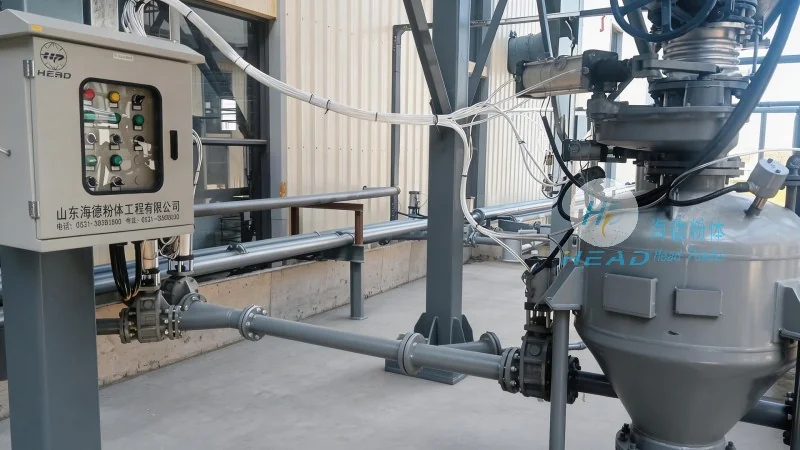
Overview of Ammonium Bicarbonate Powder Pneumatic Conveying Systems
Ammonium bicarbonate, also known as baking soda, is a white crystalline powder that is highly soluble in water and has a relatively low melting point. In industrial settings, it is often used as a raw material in the production of fertilizers, pharmaceuticals, and food additives. The traditional methods of handling this powder, such as manual conveying or mechanical screw conveyors, can lead to issues like dust generation, material degradation, and operational inefficiencies. Pneumatic conveying systems provide an alternative that addresses these challenges by utilizing air to transport the powder in a sealed environment.
The Core Principle of Pneumatic Conveying
The pneumatic conveying system operates on the principle of creating a pressure differential between the conveying line and the ambient environment. By injecting compressed air into the conveying line, the system generates a flow of air that carries the powder particles forward. There are two main types of pneumatic conveying systems: pressure and vacuum. In pressure systems, the conveying line is maintained at a higher pressure than the ambient air, while in vacuum systems, the line is kept at a lower pressure than the surroundings. For ammonium bicarbonate powder, a pressure system is commonly preferred due to its ability to handle higher material loads and maintain consistent flow rates.
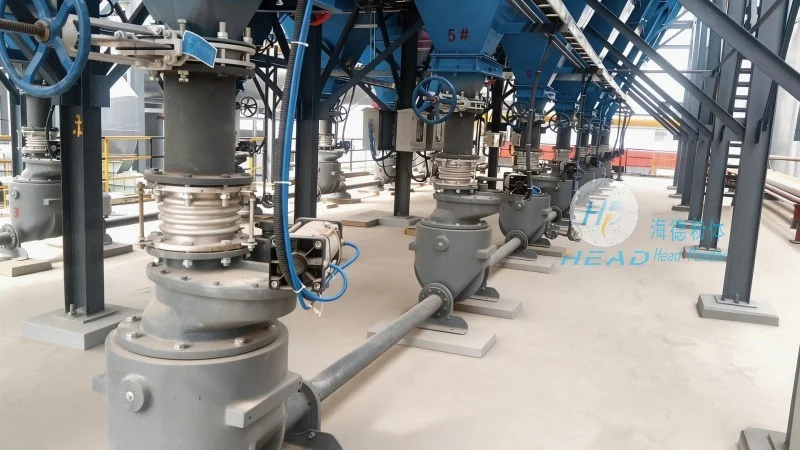
Key Components and Their Functions
A typical pneumatic conveying system for ammonium bicarbonate powder consists of several essential components. The primary components include a material feeder, a conveying line, a dust collector, and a control system. The material feeder is responsible for feeding the powder into the conveying line at a controlled rate, ensuring a steady flow of material. The conveying line is usually made of stainless steel or other corrosion-resistant materials to prevent contamination and ensure durability. The dust collector is integrated to capture any fine particles that may escape during the conveying process, maintaining a clean and safe working environment. The control system monitors and regulates the air pressure, flow rate, and material feed rate to optimize the system's performance and prevent operational issues.
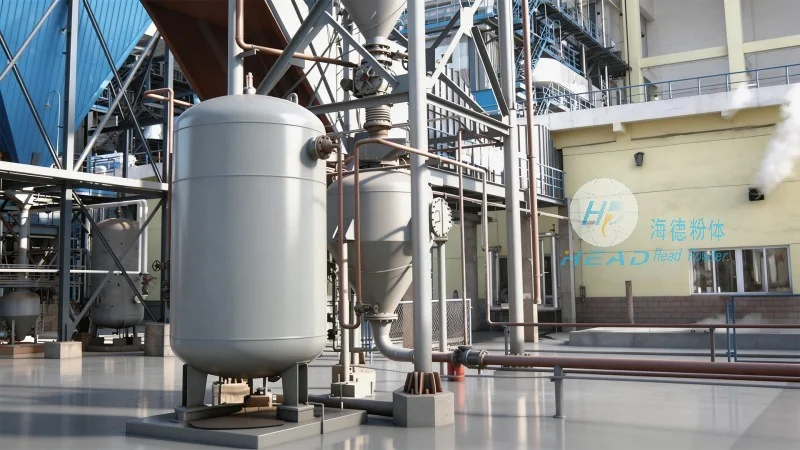
Working Scene Characteristics
The operational characteristics of the ammonium bicarbonate powder pneumatic conveying system vary depending on the specific application and the scale of the production line. In large-scale industrial facilities, such as fertilizer plants or chemical manufacturing plants, these systems are often used to transport large volumes of powder over long distances. The key characteristics of these working scenarios include high material throughput, consistent flow rates, and minimal downtime. The system's ability to handle abrasive materials like ammonium bicarbonate is also a critical factor, as the conveying components must be designed to withstand the wear and tear caused by the powder's particles.
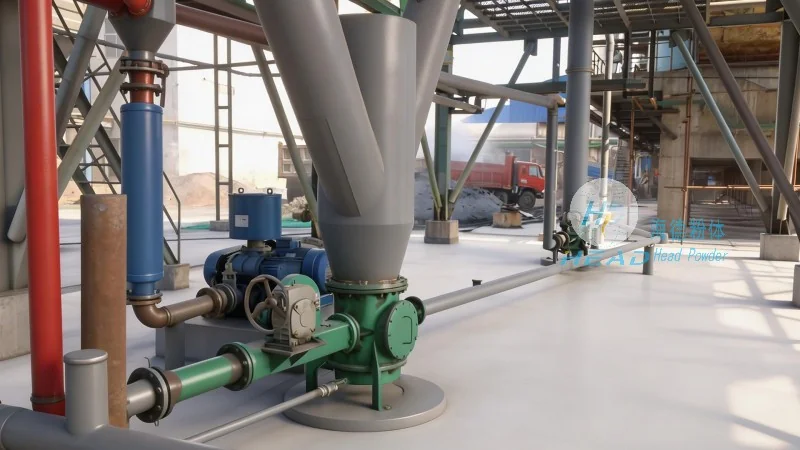
Advantages in Industrial Applications
Implementing a pneumatic conveying system for ammonium bicarbonate powder offers several advantages over traditional handling methods. Firstly, it significantly reduces dust generation, which improves workplace safety and compliance with environmental regulations. Secondly, the sealed system prevents material contamination, ensuring that the powder remains pure and free from external pollutants. Thirdly, the system enhances operational efficiency by automating the material handling process, reducing labor costs and increasing production throughput. Additionally, the system's flexibility allows for easy integration with existing production lines, making it a cost-effective solution for upgrading or expanding industrial operations.
Conclusion
In conclusion, the pneumatic conveying system for ammonium bicarbonate powder is a sophisticated and efficient solution for material handling in industrial applications. By understanding the core principles and operational characteristics of these systems, manufacturers can optimize their production processes and enhance overall operational performance. The system's advantages, including reduced dust, improved safety, and increased efficiency, make it a valuable asset for any facility handling ammonium bicarbonate powder. As the demand for ammonium bicarbonate continues to grow, the adoption of such advanced material handling systems will become increasingly important for maintaining competitiveness in the market.