

Principles and Operational Scenarios of Bioenzyme Powder Pneumatic Conveying Systems
HeadPowder, a leading enterprise in the field of powder handling technology, specializes in the design, manufacturing, and application of advanced pneumatic conveying systems tailored for bioenzyme powders. This article delves into the fundamental principles underlying such systems and highlights the key operational scenarios where these systems are most effectively utilized.
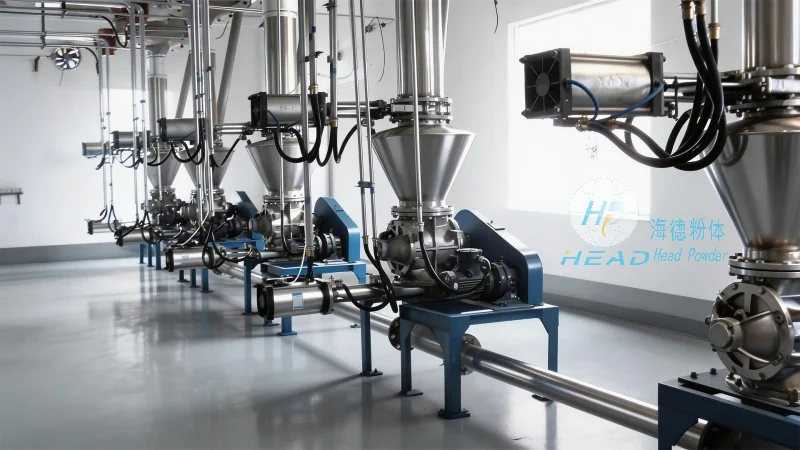
Understanding Pneumatic Conveying Systems for Bioenzyme Powders
A bioenzyme powder pneumatic conveying system is a sophisticated method of transporting fine, often sensitive, bioenzyme powders through a pipeline using a pressurized gas stream. The core principle involves creating a flow of air or other suitable gases that entrains the powder particles, moving them from the source to the destination. This approach offers several advantages over traditional mechanical conveying methods, particularly for materials that are hygroscopic, heat-sensitive, or prone to agglomeration.
Key Components and Working Principle
The system typically consists of several critical components, each playing a vital role in the overall operation. The primary components include a material feed hopper, a conveyor line (often a flexible or rigid pipeline), a pressure source (such as a blower or compressor), and a control system. The process begins when the bioenzyme powder is fed into the hopper. The pressure source then generates a flow of air that is introduced into the pipeline, creating a low-pressure zone at the inlet and a high-pressure zone at the outlet. As the air flows through the pipeline, it picks up the powder particles, forming a slurry-like mixture known as a "conveying stream." This stream is then transported to the discharge point, where the air and powder are separated, typically through a cyclone separator or a filter, allowing the powder to be collected in a receiving container.
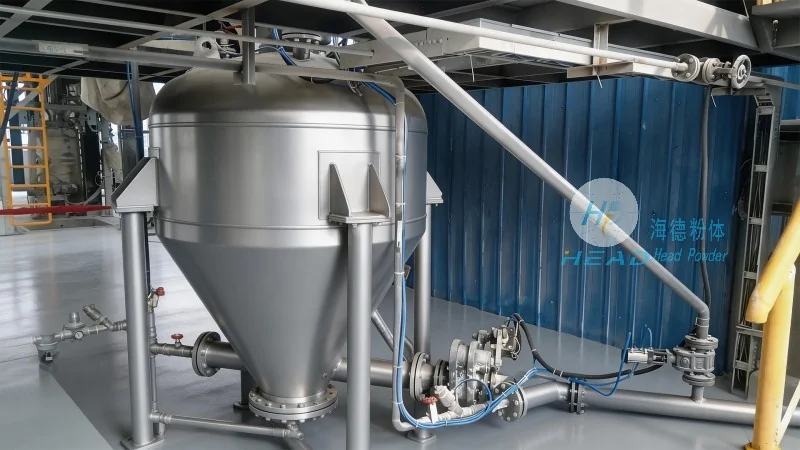
Advantages of Pneumatic Conveying for Bioenzyme Powders
When compared to other conveying methods, pneumatic systems provide unique benefits that are particularly relevant for bioenzyme powders. These include the ability to handle fine powders without the need for mechanical agitation, which can degrade the enzyme's activity. The enclosed system also minimizes exposure to air, reducing the risk of oxidation or contamination. Additionally, pneumatic conveying can be designed to operate at low temperatures, preserving the thermal stability of the bioenzyme. The flexibility of the system allows for easy integration into existing production lines, with the ability to adjust flow rates and pressure to meet specific process requirements.
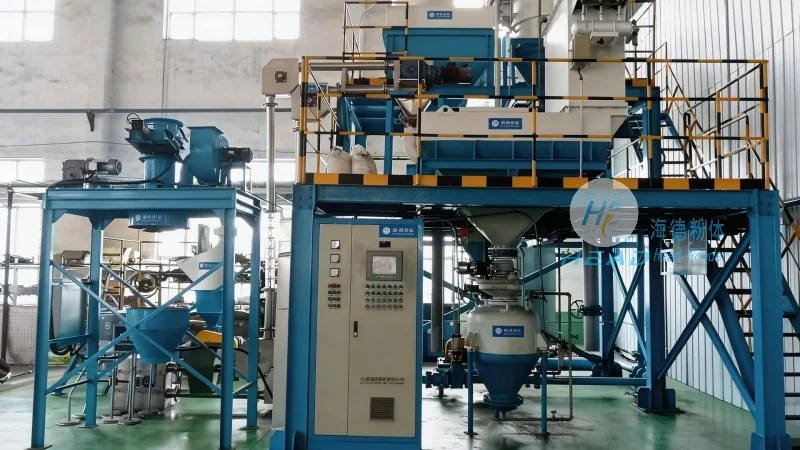
Operational Scenarios and Applications
Bioenzyme powder pneumatic conveying systems are widely employed across various industries where bioenzyme powders are used as key ingredients. One common scenario is in the food and beverage industry, where enzymes are used for processes such as starch hydrolysis, protein modification, and flavor enhancement. In this context, the system ensures that the enzymes are delivered to the production line in a consistent and hygienic manner, maintaining their activity and preventing contamination. Another application is in the pharmaceutical and biotechnology sectors, where enzymes are used in the production of active pharmaceutical ingredients (APIs) or as biocatalysts in research and development. Here, the precision and control offered by pneumatic conveying are crucial for maintaining the purity and potency of the bioenzyme.
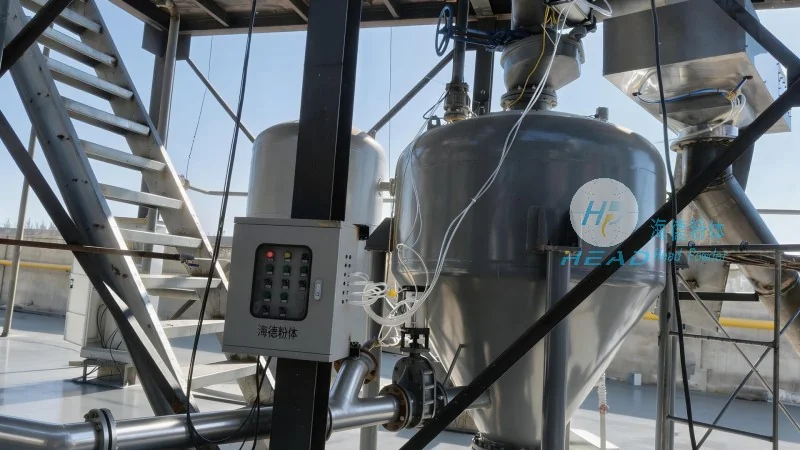
Industrial Scale Implementation and Customization
HeadPowder Engineering Co., Ltd., based in Shandong, China, specializes in the industrial-scale implementation of these systems. The company provides customized solutions tailored to the specific needs of each client, considering factors such as the type of bioenzyme powder, the required flow rate, the distance of transport, and the environmental conditions. The systems can be designed for both low and high-pressure applications, with options for positive or negative pressure systems depending on the material characteristics and the layout of the facility. The company's expertise in material handling and process engineering ensures that the systems are optimized for efficiency, reliability, and cost-effectiveness.
Conclusion
In summary, bioenzyme powder pneumatic conveying systems represent a highly effective and efficient method for transporting sensitive bioenzyme powders. By leveraging the principles of pneumatic transport, these systems offer advantages in terms of material handling, process control, and product quality. With the expertise of companies like Shandong HeadPowder Engineering Co., Ltd., these systems can be tailored to meet the specific demands of various industries, ensuring reliable and consistent delivery of bioenzyme powders in a controlled environment.