HeadPowder, a leading manufacturer based in Shandong, China, specializes in the design and production of high-efficiency powder conveying equipment. Our company, Shandong HeadPowder Engineering Co., Ltd., is dedicated to providing reliable solutions for the transportation of sodium bicarbonate and other fine powders. With a focus on precision engineering and robust construction, our conveying machines are engineered to meet the demanding requirements of various industrial applications.
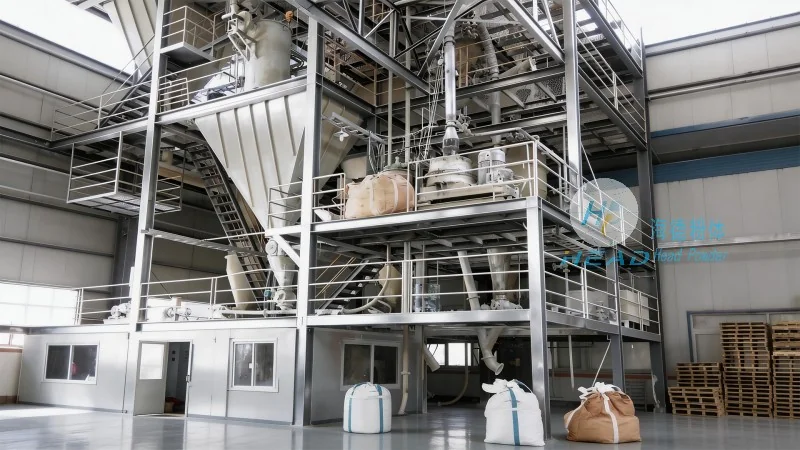
Operation Process of the Sodium Bicarbonate Powder Conveying Machine
The operation of a sodium bicarbonate powder conveying machine involves several key steps, each designed to ensure efficient and safe material handling. The process typically begins with the loading of the powder into the hopper. The hopper is a large, airtight container that stores the sodium bicarbonate, allowing for continuous feeding into the system. As the powder accumulates, it is drawn into the conveyor via a series of mechanisms, such as a rotary valve or a screw feeder. These components regulate the flow rate, preventing overloading and ensuring a steady supply to the conveying line.
Once the powder enters the conveying line, it is transported through a series of pipes or ducts. The conveying mechanism, which may include pneumatic or mechanical systems, moves the material from the hopper to the discharge point. Pneumatic conveying systems use compressed air to create a flow of air and powder, while mechanical systems rely on screws, belts, or buckets to transport the material. The choice of system depends on factors such as the powder's properties, the required distance, and the desired flow rate. In the case of sodium bicarbonate, which is a fine, non-abrasive powder, a pneumatic system is often preferred due to its ability to handle delicate materials without causing degradation.
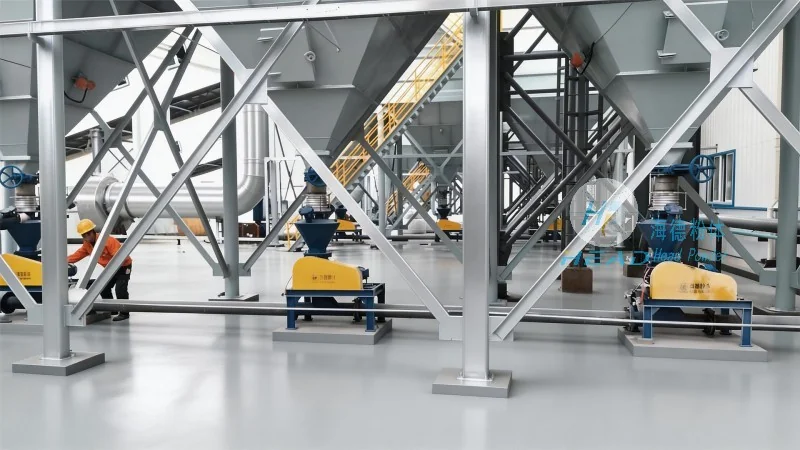
During the conveying process, the machine monitors and controls several parameters to maintain optimal performance. Sensors are used to detect the level of powder in the hopper and the flow rate through the system. These sensors provide real-time data to the control panel, which adjusts the speed of the conveyor or the pressure of the air in the pneumatic system as needed. This feedback loop ensures that the conveying process remains stable and efficient, minimizing downtime and maximizing productivity. Additionally, the machine is equipped with safety features, such as pressure relief valves and emergency stop buttons, to protect operators and prevent accidents.
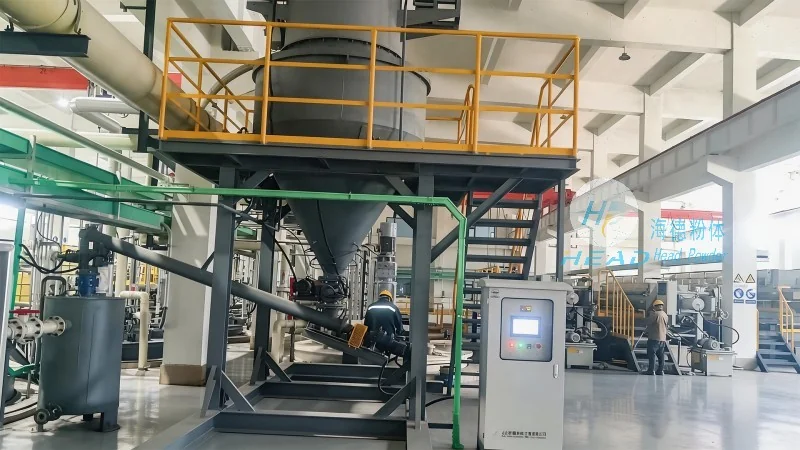
Working Principle of the Sodium Bicarbonate Powder Conveying Machine
The working principle of a sodium bicarbonate powder conveying machine is based on the principles of fluidization and pneumatic transport. The machine operates by creating a flow of air or gas that carries the powder particles through the conveying line. The key components of the system include the hopper, the feeder, the conveying pipe, and the discharge unit. The hopper stores the sodium bicarbonate and provides a consistent supply of material. The feeder regulates the flow of powder into the conveying line, ensuring that the material is fed at a controlled rate. The conveying pipe is designed to handle the pressure and flow of the air-powder mixture, with appropriate bends and fittings to maintain the flow without causing blockages.
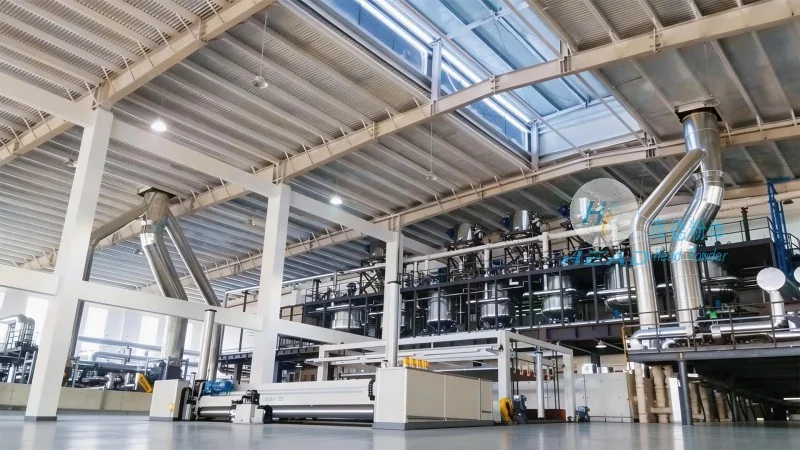
In a pneumatic conveying system, the air is introduced into the conveying pipe at a high velocity, creating a stream that entrains the powder particles. The air-powder mixture travels through the pipe to the discharge point, where the powder is separated from the air and collected in a container. The air is then filtered and recycled back into the system, reducing energy consumption and waste. The mechanical components, such as screws or belts, are used in systems where the powder is transported under pressure, providing a more direct and efficient method of conveying. For sodium bicarbonate, which is a light and fine powder, the pneumatic system is particularly effective as it minimizes the risk of particle degradation and ensures a uniform flow.
The control system of the machine plays a crucial role in maintaining the efficiency of the conveying process. It monitors the pressure, temperature, and flow rate of the system, adjusting the parameters as needed to maintain optimal conditions. The system also includes alarms and indicators to alert operators of any issues, such as low powder levels or high pressure. This ensures that the machine operates safely and efficiently, minimizing the risk of accidents and maximizing the productivity of the process. Overall, the working principle of the sodium bicarbonate powder conveying machine is designed to provide a reliable and efficient method of transporting fine powders, with minimal maintenance and high performance.




