

Principle and Working Scene Characteristics of Clay Sand Powder Pneumatic Conveying Systems
Clay sand powder pneumatic conveying systems are advanced industrial solutions designed to efficiently transport fine particulate materials like clay sand. These systems utilize air as the primary medium to move materials from one location to another, offering a flexible and effective method for material handling in various industrial applications. The core principle behind these systems is the use of pressure or vacuum to create a flow of air that carries the powder through a pipeline network. This approach eliminates the need for mechanical components such as belts or buckets, reducing maintenance requirements and increasing operational reliability.
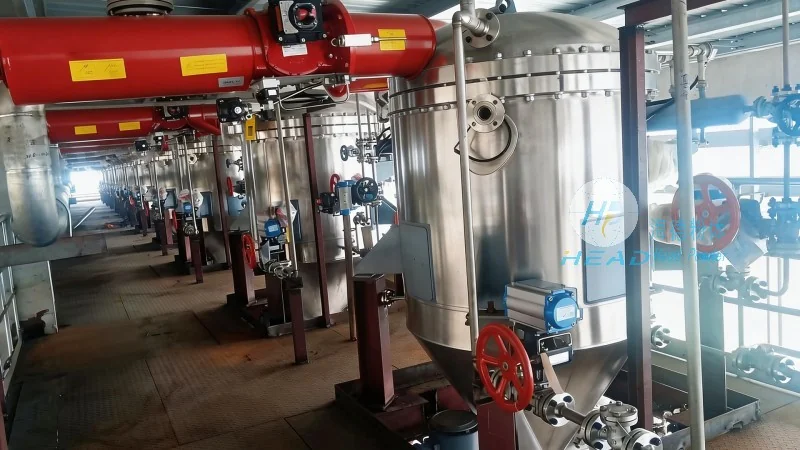
Working Principle of Pneumatic Conveying Systems
The operation of a clay sand powder pneumatic conveying system typically involves several key components, including a material feed hopper, a conveying line, a control valve, and a discharge outlet. The process begins with the material being fed into the hopper, where it is then drawn into the conveying line by a fan or blower that generates the necessary airflow. The air and material mixture travels through the pipeline, maintaining a consistent flow rate to ensure smooth transport. At the destination, the material is separated from the air, often through a cyclone separator or a filter, and collected in a receiving container. This separation process is crucial for maintaining the purity of the material and preventing dust contamination in the surrounding environment.
Key Components and Their Functions
Several critical components contribute to the effective operation of a clay sand powder pneumatic conveying system. The material feed hopper is responsible for storing and feeding the clay sand into the system, ensuring a continuous supply of material. The fan or blower provides the necessary pressure or vacuum to move the air and material through the pipeline. The control valve regulates the flow of air and material, allowing for adjustments to the conveying rate based on operational needs. The conveying line, usually made of stainless steel or other corrosion-resistant materials, is designed to withstand the abrasive nature of clay sand and maintain the integrity of the material during transport. The discharge outlet and separation equipment, such as cyclones or filters, ensure that the material is efficiently separated from the air, preventing dust emissions and maintaining product quality.
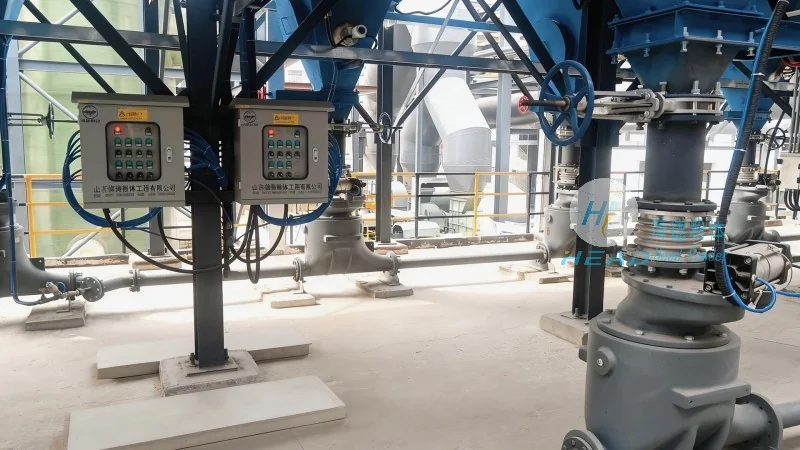
Working Scene Characteristics and Applications
Clay sand powder pneumatic conveying systems are widely used in various industrial sectors, including foundries, ceramics manufacturing, and construction material production. In foundries, these systems are employed to transport clay sand for mold making, ensuring consistent material quality and reducing the risk of contamination. In ceramics, the systems help in the transportation of raw clay and other fine powders, facilitating the production process and improving material handling efficiency. The working scene characteristics of these systems include their ability to handle fine, abrasive materials without causing wear and tear on the equipment. They are also suitable for applications where dust control is essential, as the enclosed system minimizes the release of airborne particles. Additionally, the flexibility of pneumatic conveying allows for the integration of multiple conveying lines, enabling the transport of materials between different locations within a facility, optimizing the overall workflow and reducing material handling time.
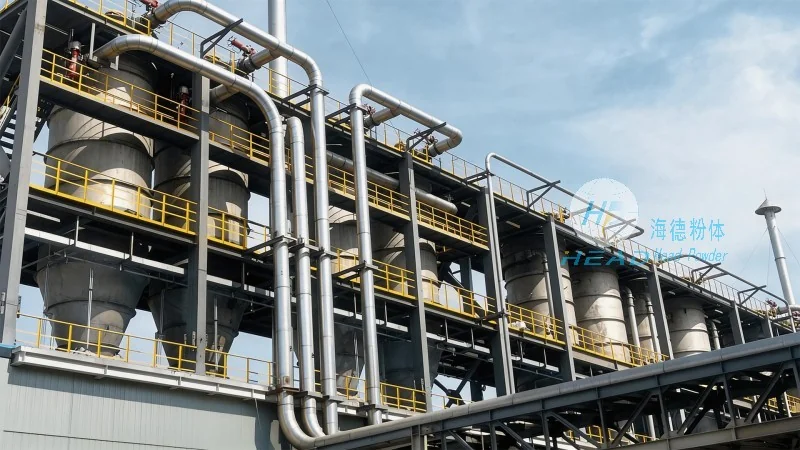
Advantages and Benefits of Pneumatic Conveying
Compared to traditional mechanical conveying methods, clay sand powder pneumatic conveying systems offer several advantages. One of the primary benefits is the elimination of mechanical components, which reduces maintenance costs and increases the system's lifespan. The enclosed nature of the system also provides better dust control, improving workplace safety and reducing environmental impact. Additionally, pneumatic conveying allows for the transport of materials over longer distances and at higher speeds, improving overall operational efficiency. The flexibility of the system enables easy integration with existing production lines, minimizing the need for major infrastructure changes. Furthermore, the ability to handle fine and abrasive materials without causing damage makes these systems ideal for applications where material integrity is critical.
Conclusion
Clay sand powder pneumatic conveying systems represent a sophisticated and efficient solution for material handling in industries that rely on fine particulate materials. By leveraging the principles of air movement, these systems provide a reliable and cost-effective method for transporting clay sand and similar materials. The working scene characteristics, including their ability to handle abrasive materials and control dust emissions, make them a preferred choice in various industrial applications. As industrial processes continue to evolve, the demand for efficient material handling solutions will likely increase, and pneumatic conveying systems will remain a key component in meeting these needs. With proper design and maintenance, these systems can provide long-term operational benefits, contributing to improved productivity and reduced costs in industrial operations.