

Principle and Working Scene Characteristics of Wood Dust Powder Pneumatic Conveying Systems
HeadPowder Engineering Co., Ltd., a leading manufacturer based in Shandong, China, specializes in the design and implementation of advanced pneumatic conveying systems tailored for wood dust and powder handling. The company's expertise lies in addressing the unique challenges associated with transporting wood dust, a material known for its fine particle size, combustibility, and hygroscopic properties. This article explores the fundamental principles behind wood dust pneumatic conveying systems and highlights the key characteristics of their operational environments.
Principle of Pneumatic Conveying for Wood Dust
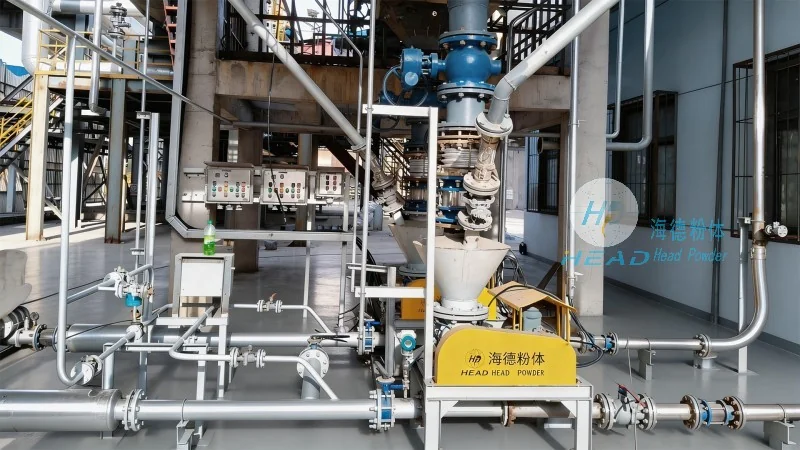
Pneumatic conveying systems operate on the principle of transporting bulk materials through a pipeline using a moving air stream. In the case of wood dust, the system typically employs positive pressure or negative pressure (or a combination of both) to move the material from a source to a destination. The core components of a typical system include a dust collector, a conveying line, a control valve, and a discharge device. The process begins with the wood dust being fed into the system, often from a hopper or silo. A fan or blower then generates the necessary air pressure to propel the dust particles through the pipeline. The air velocity is carefully controlled to ensure that the dust particles remain suspended and do not settle or cause blockages. This method offers several advantages over traditional mechanical conveying, such as reduced wear and tear on equipment, lower maintenance costs, and the ability to handle materials that are difficult to transport via other means.
Key Working Scene Characteristics
The operational environments for wood dust pneumatic conveying systems are characterized by specific conditions that impact system performance and safety. These characteristics include:
1. **Material Properties**: Wood dust is a fine, dry powder that can be highly combustible and explosive under certain conditions. The system must be designed with explosion-proof components, such as flame arrestors and spark detectors, to mitigate fire and explosion risks. Additionally, the material's hygroscopic nature means it can absorb moisture from the air, leading to clumping or caking, which can affect flow and system efficiency. Therefore, many systems incorporate drying or conditioning steps to maintain the dust's consistency.
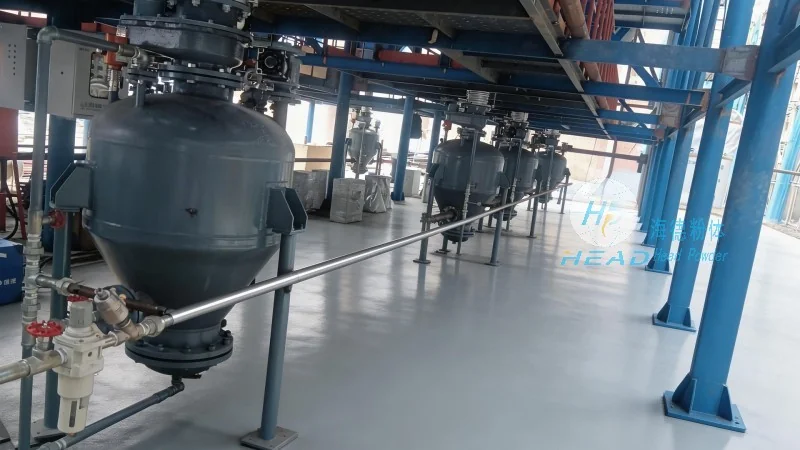
2. **Process Integration**: In industrial settings, wood dust systems are often integrated with other production processes, such as wood processing, sawmilling, or particleboard manufacturing. The system may need to handle dust from multiple sources, including sawdust, shavings, and wood chips, and transport it to central collection points or processing units. This integration requires careful planning to ensure smooth material flow and minimal downtime.
3. **Environmental and Safety Regulations**: The handling of wood dust is subject to strict environmental and safety regulations, particularly regarding air quality and worker exposure. Pneumatic conveying systems are designed to minimize dust emissions and ensure that the air leaving the system is filtered and compliant with local regulations. This includes the use of high-efficiency particulate air (HEPA) filters and dust collection systems to capture fine particles and prevent them from entering the workplace.
4. **System Scalability and Flexibility**: Modern wood dust pneumatic conveying systems are designed to be scalable and adaptable to varying production volumes and operational requirements. They can be configured for both small-scale applications, such as in a local woodworking shop, or large-scale industrial operations, such as in a major lumber mill. The systems can also be customized to handle different types of wood dust, including softwood and hardwood, and to accommodate changes in production processes over time.
Application Scenarios and System Configurations
The working scene characteristics of wood dust pneumatic conveying systems influence the choice of system configuration and components. For example, in a vertical conveying application, where the dust needs to be lifted from a lower level to a higher one, a positive pressure system with a high-velocity fan is typically used. This configuration ensures that the dust particles remain suspended and do not settle during the upward movement. In horizontal conveying applications, where the material is moved along a horizontal path, a combination of positive and negative pressure may be employed to maintain flow and reduce energy consumption.
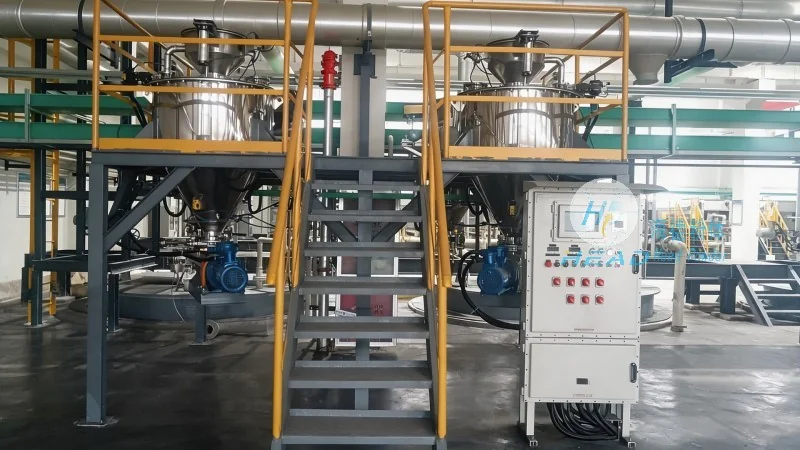
Another common scenario is the use of a "closed-loop" system, where the wood dust is collected from a production line, transported to a storage silo, and then reused in the manufacturing process. This system minimizes waste and reduces the need for external material sourcing. The closed-loop design also helps maintain consistent material quality by preventing contamination from external sources.
Advantages and Considerations for Wood Dust Pneumatic Conveying
Wood dust pneumatic conveying systems offer several advantages over traditional conveying methods, including improved safety, reduced material loss, and enhanced process control. However, there are also considerations to keep in mind when implementing such a system. These include the initial investment cost, which may be higher than for mechanical systems, and the need for regular maintenance to ensure optimal performance. Additionally, the system's efficiency depends on proper design and operation, as improper air velocity or pressure can lead to blockages or material degradation.
In conclusion, wood dust pneumatic conveying systems are a critical component in modern wood processing industries, providing an efficient and safe method for handling fine wood particles. The systems are designed to address the unique challenges of wood dust, including its combustibility and hygroscopic nature, and are tailored to the specific operational requirements of each application. By understanding the principles and characteristics of these systems, businesses can make informed decisions about implementing or upgrading their material handling processes.