Dry lime powder, a vital component in numerous industrial processes, demands efficient and reliable transportation methods to maintain its quality and performance. The pneumatic conveying system for dry lime powder emerges as a sophisticated solution that addresses the unique challenges associated with handling such powders. This article delves into the fundamental principles behind these systems and highlights the key application characteristics that make them indispensable in modern industrial settings.
Core Principles of Pneumatic Conveying for Dry Lime Powder
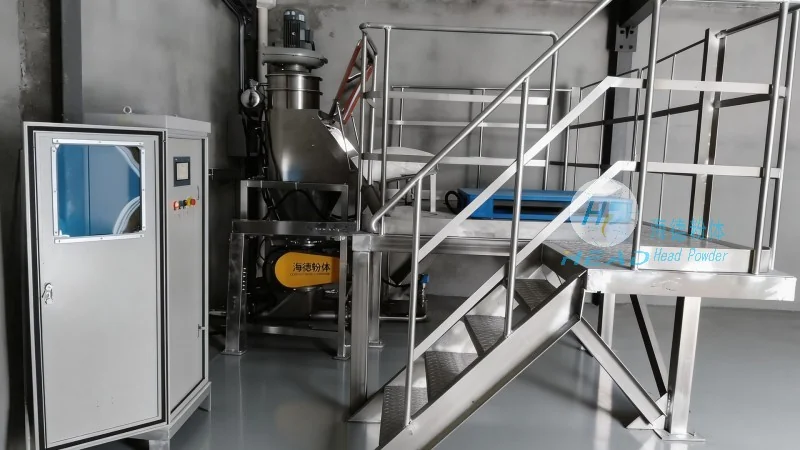
The pneumatic conveying system operates on the principle of transporting dry materials like lime powder through a pipeline using air or gas as the conveying medium. Unlike traditional mechanical conveying methods, which rely on physical contact and friction, pneumatic systems utilize air pressure to move the powder particles. This approach offers several advantages, including reduced material degradation, minimal contamination, and the ability to handle fine or abrasive powders without compromising their quality. The system typically consists of a hopper for material storage, a blower or compressor to generate airflow, a pipeline network to transport the powder, and a discharge point where the material is released. The air velocity within the pipeline is carefully controlled to ensure that the powder particles remain suspended and move smoothly without settling or clogging. This controlled airflow is crucial for maintaining the efficiency and reliability of the conveying process.
Key Application Characteristics of Dry Lime Powder Pneumatic Conveying Systems
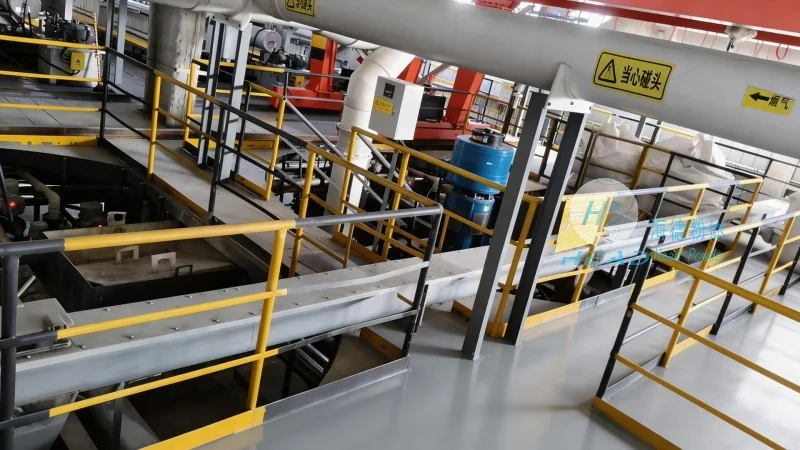
The application characteristics of dry lime powder pneumatic conveying systems are tailored to meet the diverse needs of industrial operations. These systems are designed to handle varying particle sizes, moisture contents, and flow rates, making them versatile for different production environments. One of the primary characteristics is their ability to transport dry lime powder over long distances with minimal loss or degradation. This is particularly important in large-scale industrial facilities where the material needs to be moved from storage to processing units or from one production line to another. The systems also offer flexibility in terms of layout and integration with existing infrastructure. They can be customized to fit the specific dimensions and requirements of a facility, allowing for seamless integration with other equipment such as mixers, reactors, or storage silos. Another significant characteristic is the system's efficiency in terms of energy consumption and operational costs. By using air as the conveying medium, the system reduces the need for mechanical components like belts or buckets, which can be prone to wear and maintenance issues. This results in lower long-term operational costs and increased reliability. Additionally, the pneumatic conveying system provides a closed-loop operation, which helps in maintaining the purity of the dry lime powder and preventing contamination from external sources. This is especially critical in applications where the powder is used in sensitive processes, such as in chemical manufacturing or environmental treatment.
Operational Considerations and System Design
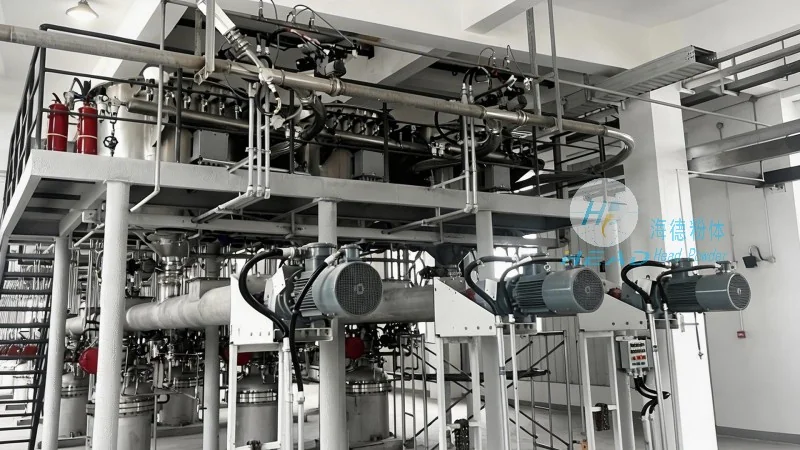
The design and operation of dry lime powder pneumatic conveying systems require careful consideration of several factors to ensure optimal performance. The first consideration is the particle size distribution of the dry lime powder. Fine particles are more susceptible to clogging and require higher air velocities to maintain suspension. Conversely, larger particles may settle more quickly and need adjustments in the pipeline diameter and air pressure. The system's design must account for these variations to prevent blockages and ensure consistent flow. Another critical factor is the moisture content of the powder. Excess moisture can lead to clumping or agglomeration, which can impede the conveying process. Therefore, the system may include drying or conditioning steps to ensure the powder is in the optimal state for transport. The choice of materials for the pipeline and components is also important. Since dry lime powder can be abrasive, the system components must be made from durable materials such as stainless steel or high-grade plastics to withstand wear and prevent corrosion. The blower or compressor used in the system must be capable of generating sufficient air pressure and volume to handle the required flow rates without excessive energy consumption. This involves selecting the appropriate type of air mover, such as a rotary lobe blower or a centrifugal fan, based on the system's specific requirements. The control system plays a vital role in managing the operation of the pneumatic conveying system. It monitors parameters such as air pressure, flow rate, and material level in the hopper, and adjusts the system settings accordingly to maintain optimal performance. This automation helps in reducing human error and improving the overall efficiency of the conveying process.
Advantages and Benefits in Industrial Applications
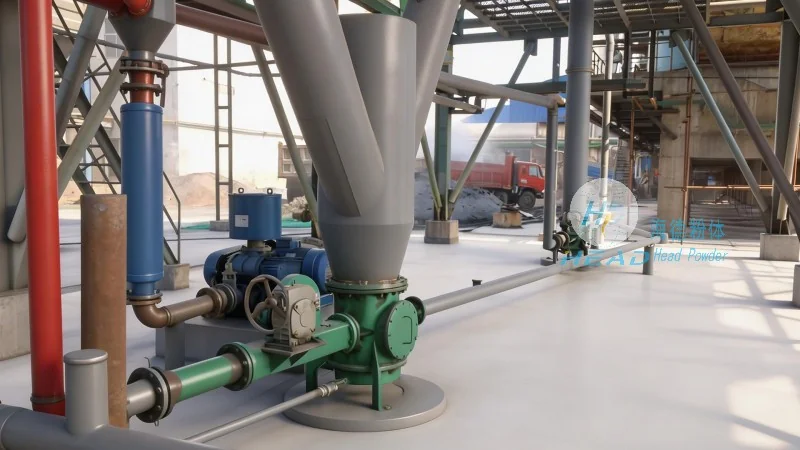
The adoption of dry lime powder pneumatic conveying systems brings numerous advantages to industrial operations. One of the most significant benefits is the improvement in material handling efficiency. By eliminating the need for manual or mechanical handling, the system reduces labor costs and minimizes the risk of material loss or spillage. This is particularly beneficial in large-scale production environments where the volume of dry lime powder is substantial. The systems also enhance safety by reducing the exposure of workers to the powder, which can be a respiratory hazard. The closed-loop operation of the system prevents dust emissions, contributing to a cleaner and safer working environment. Another advantage is the system's ability to handle high volumes of material with minimal downtime. The pneumatic conveying process is continuous, allowing for uninterrupted material transport, which is essential for maintaining production schedules and meeting demand. The flexibility of the system allows it to be adapted to different production needs, such as varying production rates or changing material specifications. This adaptability makes the system a valuable asset in dynamic industrial settings. Furthermore, the reduced maintenance requirements compared to traditional mechanical conveying systems result in lower operational costs over the system's lifespan. The use of durable materials and efficient design minimizes the need for frequent repairs or replacements, leading to long-term cost savings. The system's reliability also contributes to increased productivity, as it reduces the likelihood of production interruptions caused by material handling issues.




