

What is Potato Starch Pneumatic Conveying? An Introduction to the Working Principle of Powder Handli
Pneumatic conveying technology, particularly for materials like potato starch, plays a vital role in modern industrial operations. This article delves into the mechanics of powder handling systems, explaining how pneumatic transport works and highlighting the expertise of Shandong HeadPowder Engineering Co., Ltd. in delivering reliable solutions for bulk material movement.
Company Overview: HeadPowder
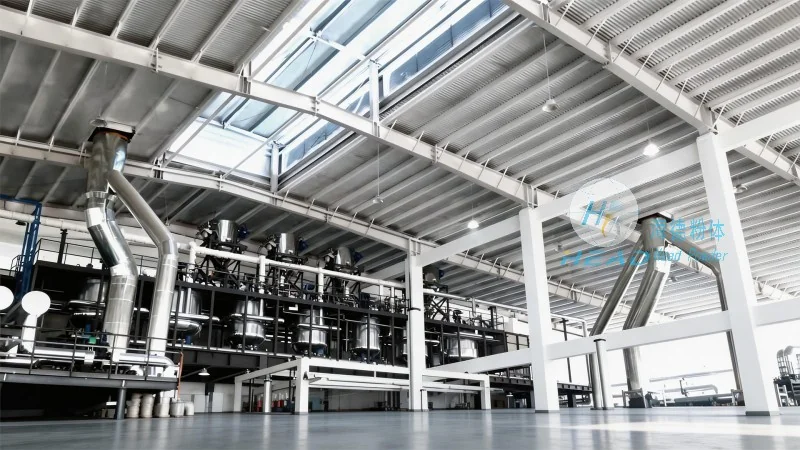
Shandong HeadPowder Engineering Co., Ltd., branded as HeadPowder, is a leading manufacturer and integrator of advanced powder handling systems. Based in Shandong, China, the company combines decades of engineering experience to design, fabricate, and install pneumatic conveying equipment tailored to the specific needs of various industries, including food processing, pharmaceuticals, and chemicals.
Understanding Pneumatic Conveying
Pneumatic conveying, also known as powder pneumatic transport, is a method of moving bulk materials—such as powders, granules, or fine particles—through a pipeline using a pressurized air or gas stream. Unlike mechanical systems that rely on belts, buckets, or screws, pneumatic conveying eliminates the need for direct contact with the material, offering a hygienic, flexible, and efficient solution for transporting materials over short to medium distances within industrial facilities.
The Core Working Principle of Powder Handling Systems
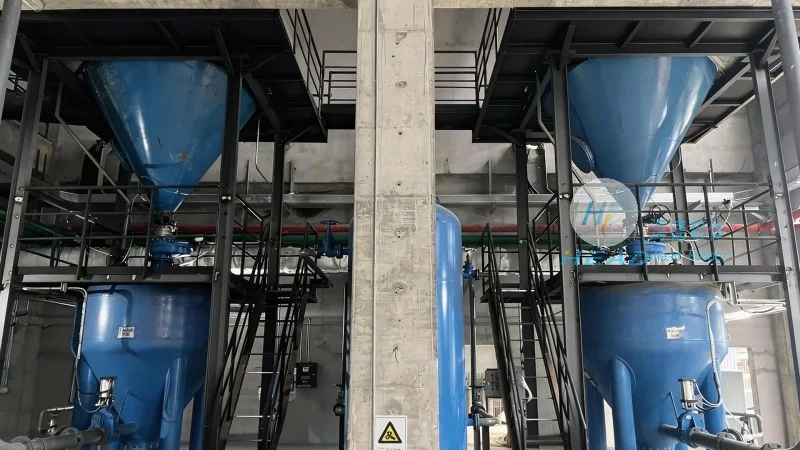
The fundamental principle behind pneumatic conveying is the creation of a pressure differential that propels the material through the pipeline. For potato starch, a fine powder with low bulk density and potential for static charge, the system must be engineered to handle these characteristics effectively. The process typically involves material loading into a hopper or feeder, induction of air to create a flow, transport through the pipeline, and discharge into a receiver or processing unit. This continuous operation ensures smooth and unobstructed material movement.
Key Components of a Pneumatic Conveying System
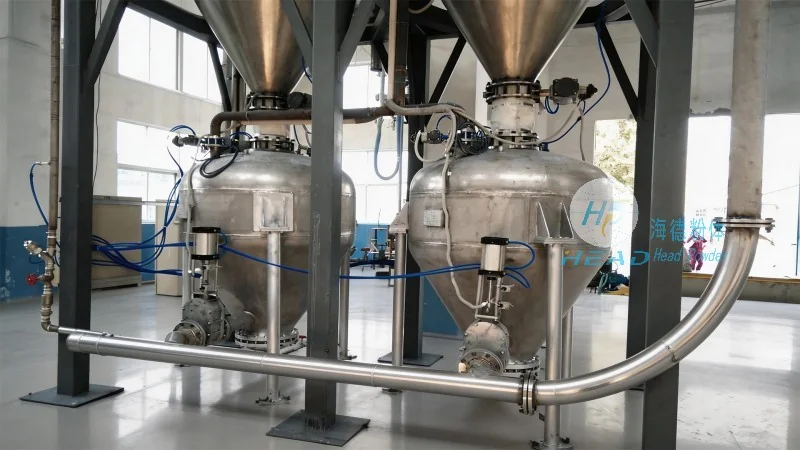
Shandong HeadPowder Engineering Co., Ltd. designs systems that integrate essential components to ensure optimal performance. These include: 1) A storage hopper or feeder for controlled material discharge; 2) An air compressor or blower to generate the necessary airflow pressure; 3) A pipeline network (often made of stainless steel or other corrosion-resistant materials) to guide the material; 4) A receiver or discharge hopper to collect the conveyed material; and 5) Optional components like filters, cyclones, or dust collectors to manage air quality and prevent material loss. The system may also feature control valves and sensors to regulate flow and ensure safe operation.
Application Scenarios for Potato Starch Pneumatic Conveying
The technology is widely utilized in industries where potato starch is processed or used as an ingredient. For instance, in food processing plants, pharmaceutical manufacturing facilities, and chemical production sites, pneumatic conveying systems efficiently transport potato starch from storage silos to mixing equipment, processing lines, or packaging units. The hygienic design of these systems—often incorporating sealed components, easy-to-clean surfaces, and stainless steel construction—ensures compliance with food and pharmaceutical industry standards, minimizing contamination risks.
Advantages of Pneumatic Conveying for Powder Handling
Compared to traditional mechanical conveying methods, pneumatic conveying offers several key advantages. It provides a continuous, dust-free operation, reducing workplace hazards and improving operational safety. The system’s flexibility allows for easy integration with existing production lines and the ability to transport materials over varying distances and heights without the need for complex infrastructure. Additionally, pneumatic conveying can handle a wide range of powder properties, including those with high moisture content or abrasive characteristics, making it a versatile solution for diverse industrial applications. The technology also enables faster material transfer, reducing downtime and increasing overall production efficiency.
Conclusion
For businesses dealing with potato starch and other fine powders, pneumatic conveying systems represent a highly effective and efficient method of material transport. Shandong HeadPowder Engineering Co., Ltd. specializes in developing and implementing these systems, leveraging advanced engineering and manufacturing capabilities to meet the unique requirements of each client. By understanding the working principles and benefits of pneumatic conveying, industries can enhance operational efficiency, reduce costs, and ensure compliance with regulatory standards. The company’s expertise in designing tailored powder handling solutions underscores its role as a trusted partner in optimizing material movement processes for modern industrial applications.