When it comes to transporting manganese sulfate, selecting the right method is crucial for efficiency and safety. Manganese sulfate, a vital chemical used in various industries such as agriculture, water treatment, and battery production, requires reliable and effective transportation solutions. This article explores common transportation methods for manganese sulfate, with a focus on the advantages and applications of pneumatic conveying, a popular choice for handling this material.
Understanding Manganese Sulfate and Its Transportation Needs
Manganese sulfate (MnSO₄) is a water-soluble salt that plays a significant role in multiple industrial processes. Its properties, including its hygroscopic nature and potential for dust generation, necessitate specialized handling and transportation techniques. Traditional methods like bulk bags or trucks may pose challenges due to the material's tendency to clump or create dust, which can affect both operational efficiency and worker safety. Therefore, understanding the specific requirements of manganese sulfate is essential when choosing a transportation method.
Pneumatic Conveying: A Preferred Method for Manganese Sulfate
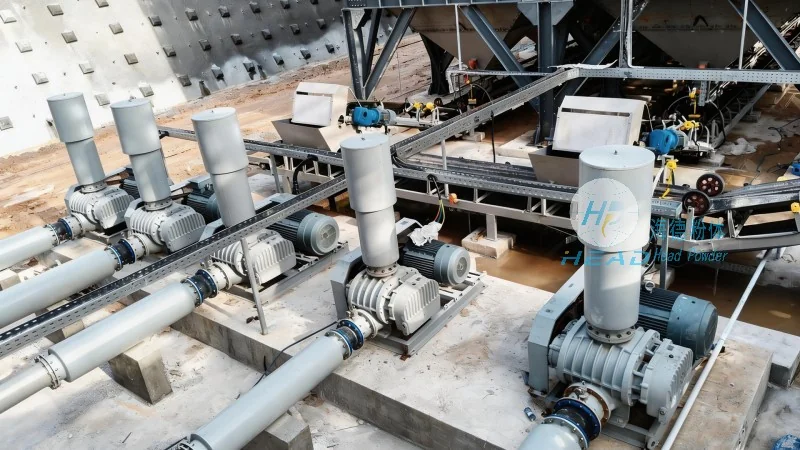
Pneumatic conveying stands out as an efficient and widely adopted method for transporting manganese sulfate. This technology uses air pressure to move the material through a pipeline system, eliminating the need for mechanical components like belts or buckets that may cause wear and tear or contamination. The process involves creating a flow of air that carries the manganese sulfate particles, ensuring a smooth and controlled transfer from the source to the destination.
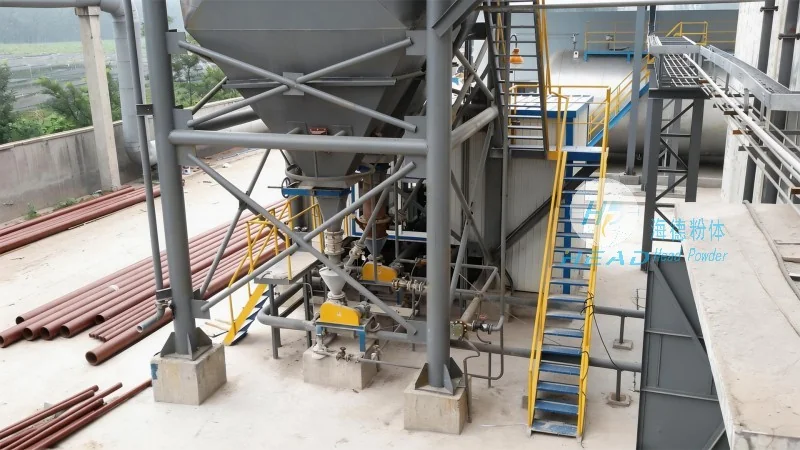
One of the key advantages of pneumatic conveying is its ability to handle fine powders like manganese sulfate without the risk of clogging or blockages. The system can be designed with various configurations, including positive and negative pressure modes, to suit different operational needs. For instance, positive pressure systems are ideal for short-distance transport, while negative pressure systems are better suited for longer distances or when dealing with dusty environments.
Key Features and Benefits of Manganese Sulfate Pneumatic Conveying
The pneumatic conveying system for manganese sulfate offers several benefits that make it a preferred choice in industrial settings. Firstly, it ensures a clean and dust-free transfer, which is critical for maintaining product quality and compliance with environmental regulations. Unlike other methods that may generate dust, pneumatic conveying keeps the material contained within the pipeline, reducing the risk of contamination and exposure to workers.
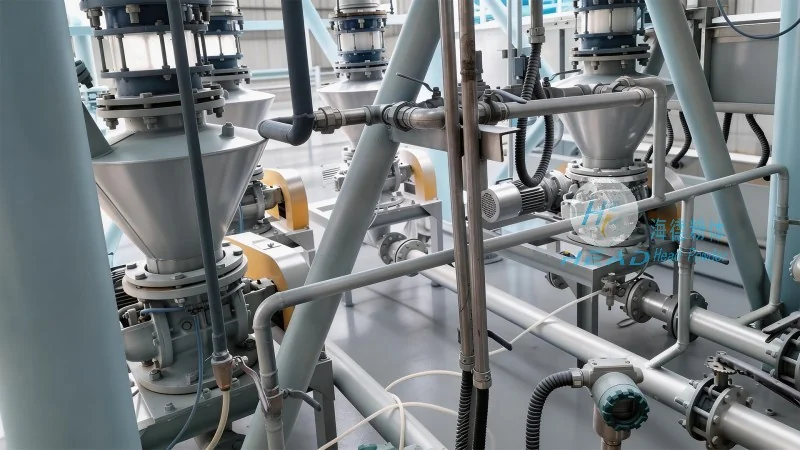
Secondly, this method enhances operational efficiency by minimizing downtime and labor costs. The automated nature of pneumatic conveying reduces the need for manual handling, which not only improves safety but also increases the overall throughput of the process. Additionally, the system can be integrated with other equipment, such as storage silos or processing units, creating a seamless workflow that optimizes production.
Applications and Industries Using Manganese Sulfate Pneumatic Conveying
Manganese sulfate pneumatic conveying is widely used across various industries due to its versatility and effectiveness. In the agricultural sector, it is commonly used as a fertilizer supplement, and the pneumatic system ensures that the material is delivered to farms efficiently and without damage. In water treatment plants, manganese sulfate is used to remove impurities and improve water quality, and the conveying system facilitates the consistent supply of the chemical to treatment facilities.
In the battery manufacturing industry, manganese sulfate is a key component in the production of lithium-ion batteries, and the pneumatic conveying method ensures a reliable supply of the raw material. The system's ability to handle fine powders without segregation or loss makes it ideal for high-purity applications, where even small variations in the material can impact the final product quality.
Conclusion: Choosing the Right Transportation Method for Manganese Sulfate
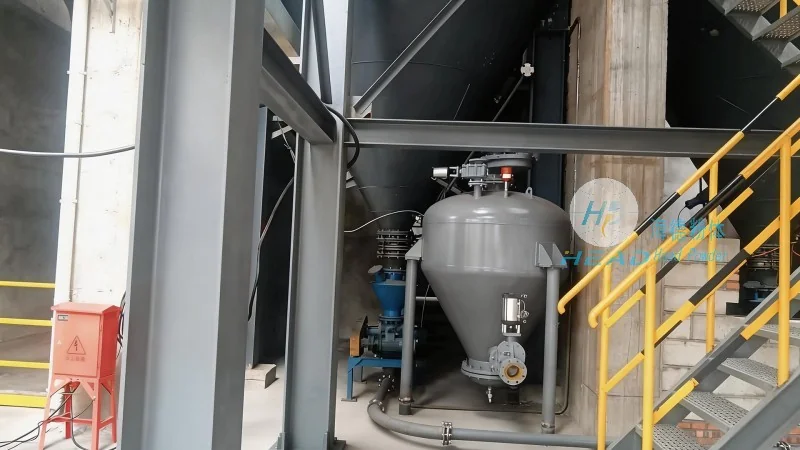
When selecting a transportation method for manganese sulfate, it is essential to consider factors such as material properties, distance, and operational requirements. Pneumatic conveying, as discussed, offers a robust and efficient solution that addresses the unique challenges of handling this chemical. By leveraging the advantages of pneumatic systems, industries can enhance productivity, ensure product quality, and maintain a safe working environment.
Shandong HeadPowder Engineering Co., Ltd., a leading provider of material handling solutions, specializes in designing and implementing pneumatic conveying systems tailored to the needs of manganese sulfate and other similar materials. With a focus on innovation and customer satisfaction, HeadPowder ensures that its clients receive reliable and efficient transportation solutions that meet their specific requirements. Based in Shandong, China, the company leverages its expertise to deliver high-quality services and products that contribute to the success of its clients in various industries.




