HeadPowder, a leading provider in the field of material handling solutions, specializes in advanced transport technologies for lithium-ion battery materials. This article focuses on the common methods used for transporting cobalt lithium, with a particular emphasis on the benefits and applications of pneumatic conveying systems. The company, Shandong HeadPowder Engineering Co., Ltd., is headquartered in Shandong, China, and has established itself as a key player in delivering efficient and reliable material transport solutions for the battery manufacturing industry.
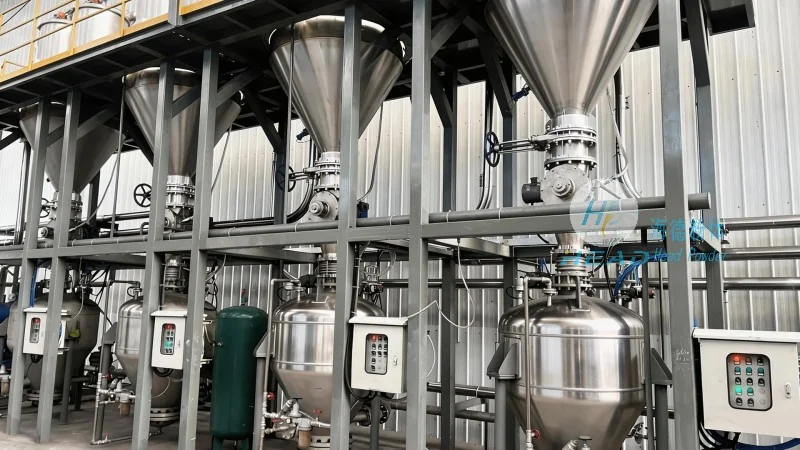
Understanding Cobalt Lithium and Its Transport Needs
Cobalt lithium, often used as a key component in lithium-ion batteries, requires specialized handling due to its chemical properties and the precision required in the battery production process. Traditional transport methods such as manual handling or mechanical conveyors may not be sufficient to maintain the purity and integrity of the material. This is where advanced pneumatic conveying systems come into play, offering a more controlled and efficient way to move cobalt lithium from one point to another in the production line.
Common Cobalt Lithium Transport Methods
There are several common methods used for transporting cobalt lithium, each with its own advantages and limitations. The primary methods include mechanical conveyors, such as belt conveyors and screw conveyors, and pneumatic conveying systems. Mechanical conveyors are widely used for bulk material handling but may face challenges with dust control and material degradation. In contrast, pneumatic conveying offers a more flexible and hygienic solution, especially for sensitive materials like cobalt lithium.
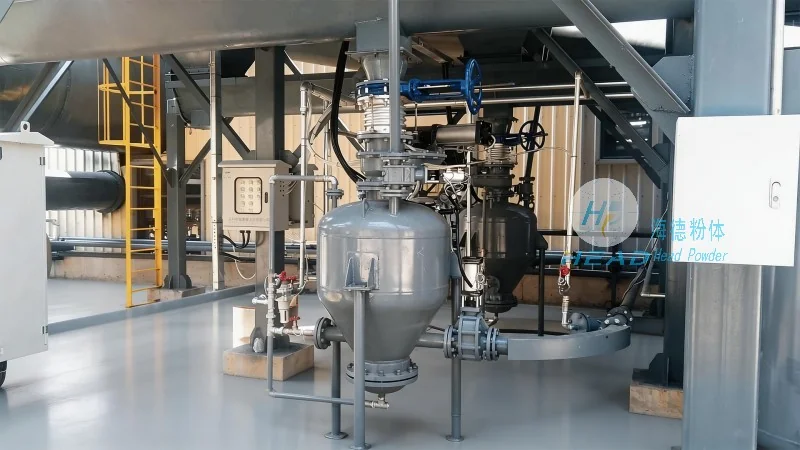
Pneumatic Conveying: A Detailed Overview
Pneumatic conveying, also known as air conveying, is a method that uses air pressure to move materials through a pipeline. This technology is particularly suitable for transporting cobalt lithium due to its ability to handle fine powders and maintain a clean environment. The system typically consists of a hopper, a conveyor line, and a receiver, with air being introduced to create a flow of material. There are two main types of pneumatic conveying: pressure and vacuum systems. Pressure systems use compressed air to push the material, while vacuum systems use a vacuum to pull the material. Both types can be effective for cobalt lithium transport, depending on the specific application and distance requirements.
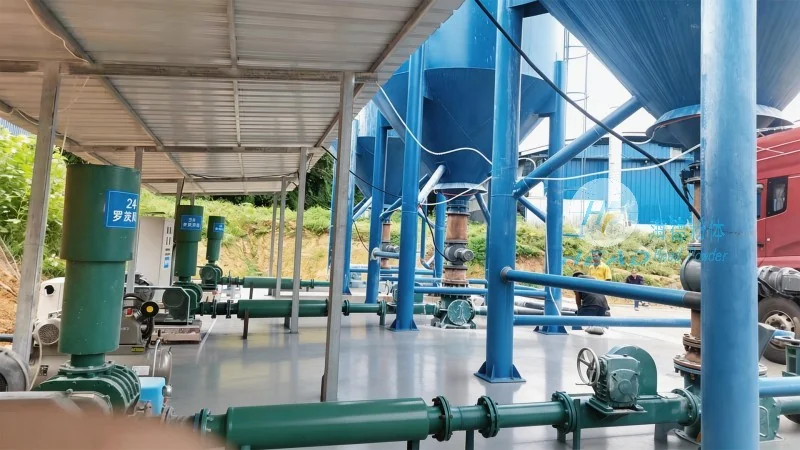
Advantages of Pneumatic Conveying for Cobalt Lithium
HeadPowder's pneumatic conveying systems offer several advantages when transporting cobalt lithium. Firstly, they provide a dust-free environment, which is crucial for maintaining the purity of the material and preventing contamination. Secondly, the system is highly flexible, allowing for changes in the transport route without major modifications to the infrastructure. Thirdly, pneumatic conveying can handle both small and large quantities of material, making it suitable for various production scales. Additionally, the system is energy-efficient compared to some traditional methods, reducing operational costs for manufacturers.
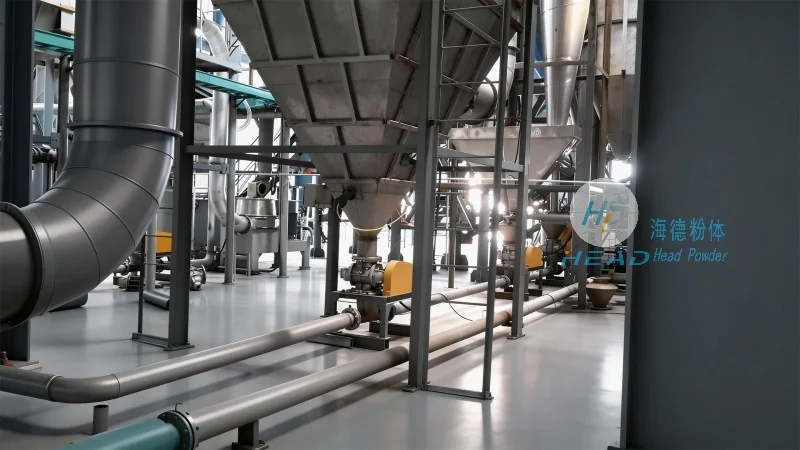
Applications in Battery Manufacturing
Cobalt lithium is commonly used in the production of lithium-ion batteries, and the transport of this material is critical to the overall efficiency of the manufacturing process. Pneumatic conveying systems are widely used in battery factories to move cobalt lithium from storage areas to mixing and processing units. The ability to handle fine powders and maintain a controlled environment ensures that the material remains in optimal condition throughout the transport process. This, in turn, contributes to the quality and performance of the final battery products.
Conclusion
HeadPowder Engineering Co., Ltd., based in Shandong, China, provides advanced pneumatic conveying solutions for the efficient transport of cobalt lithium. By leveraging the benefits of pneumatic conveying, manufacturers can improve the quality and efficiency of their battery production processes. The company's expertise in material handling technology ensures that clients receive reliable and effective solutions tailored to their specific needs. For businesses in the battery industry, investing in a pneumatic conveying system for cobalt lithium transport can lead to significant improvements in productivity and product quality.




