

Working Principle and Features of Seasoning Material Conveying System Equipment
Seasoning material conveying systems are essential in the food processing industry, particularly for the efficient handling and transportation of various spices, herbs, and flavoring agents. These systems are designed to ensure that ingredients are moved safely, hygienically, and efficiently from storage to production lines. The equipment used in such systems is engineered to meet the specific demands of the seasoning industry, which often involves handling a wide range of materials with different physical properties, such as granules, powders, and liquids. As a leading manufacturer in this field, Shandong HeadPowder Engineering Co., Ltd. specializes in providing high-quality conveying solutions tailored to the unique needs of seasoning manufacturers.
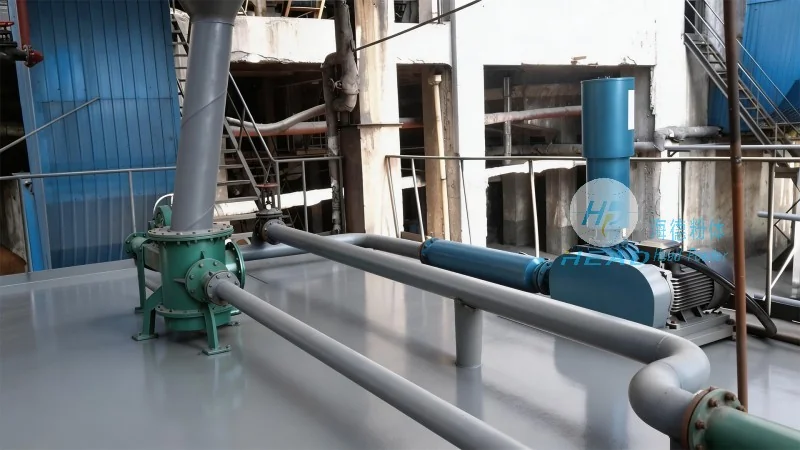
The Working Principle of Seasoning Material Conveying Equipment
The core of a seasoning material conveying system lies in its ability to transport materials through a series of components that work in tandem. Typically, these systems use a combination of mechanisms, including screw conveyors, belt conveyors, and pneumatic conveyors, depending on the material's characteristics and the production requirements. For instance, screw conveyors are commonly used for handling dry, free-flowing powders and granules, as they can move materials vertically or horizontally with minimal spillage. Belt conveyors, on the other hand, are ideal for transporting larger or bulkier items, such as whole spices or mixed seasoning blends. Pneumatic conveyors, which use air pressure to move materials, are particularly effective for handling fine powders that are prone to dusting or clogging in traditional systems. The working principle involves feeding the material into the system, where it is then propelled through the conveyor components by mechanical or pneumatic forces. This process ensures that the material is moved in a controlled manner, maintaining its quality and preventing contamination. The system is equipped with sensors and controls that monitor the flow rate and material level, allowing for real-time adjustments to optimize performance. In addition, the conveying equipment is designed with easy-to-clean surfaces and sealed components to meet stringent hygiene standards, which are critical in the food industry.
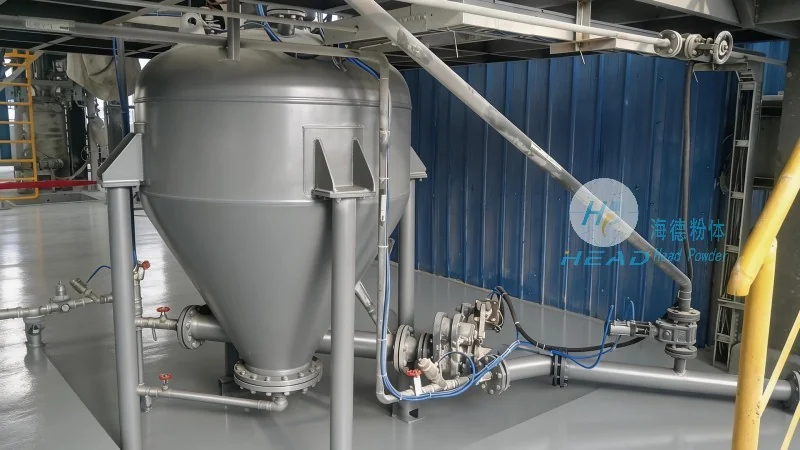
Key Features of Seasoning Material Conveying Systems
Seasoning material conveying systems from Shandong HeadPowder Engineering Co., Ltd. are characterized by several key features that enhance their functionality and reliability. One of the primary features is the ability to handle a wide variety of materials, from fine powders to bulkier granules, without compromising the quality or integrity of the product. The systems are designed with adjustable speed controls, allowing operators to regulate the flow rate according to production needs, which helps in maintaining consistent output and reducing waste. Another important feature is the integration of cleaning and maintenance systems, which include removable parts and automatic cleaning mechanisms. This ensures that the equipment can be easily sanitized between batches, minimizing the risk of cross-contamination and meeting regulatory requirements. The conveying systems also feature advanced material handling capabilities, such as the ability to handle materials with different moisture levels or temperatures, which is essential for processing various types of seasonings. Additionally, the systems are equipped with safety features, including emergency stop buttons and overload protection, to ensure the safety of operators and the equipment. The use of high-quality materials, such as stainless steel and food-grade plastics, further enhances the durability and hygiene of the equipment, ensuring long-term performance in demanding production environments.
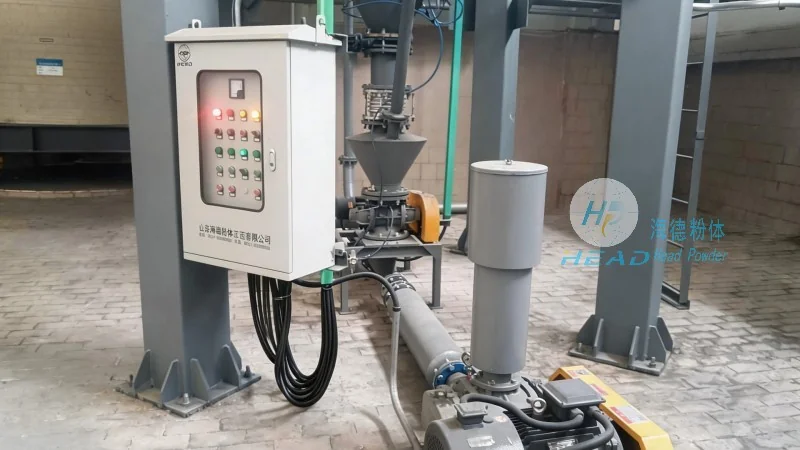
Customization and Application in Seasoning Production
Shandong HeadPowder Engineering Co., Ltd. offers customized seasoning material conveying systems that are tailored to the specific requirements of each client. The company's engineers work closely with clients to understand their production processes, material characteristics, and quality standards, and then design a system that meets all of these needs. For example, a system might be designed to handle a particular type of spice, such as paprika or cumin, which requires specific conveying methods to prevent clumping or degradation. The customization process also includes the integration of additional components, such as screening or drying equipment, to enhance the overall efficiency of the production line. The systems are typically installed in a modular configuration, allowing for easy expansion or modification as production needs change. This flexibility is particularly valuable for seasoning manufacturers who may need to adapt their production lines to accommodate new products or increased demand. The company's commitment to quality and customer satisfaction is reflected in the detailed engineering and testing of each system before it is shipped. This ensures that the equipment is reliable and performs as expected in the client's production environment.