

Working Principle and Features of Resin Pellet Material Handling System Equipment
Resin pellet material handling systems are essential in industrial processes for efficiently transporting and managing resin pellets. These systems are designed to handle the unique characteristics of resin pellets, such as their size, density, and flow properties, ensuring smooth and reliable operation in various manufacturing environments.
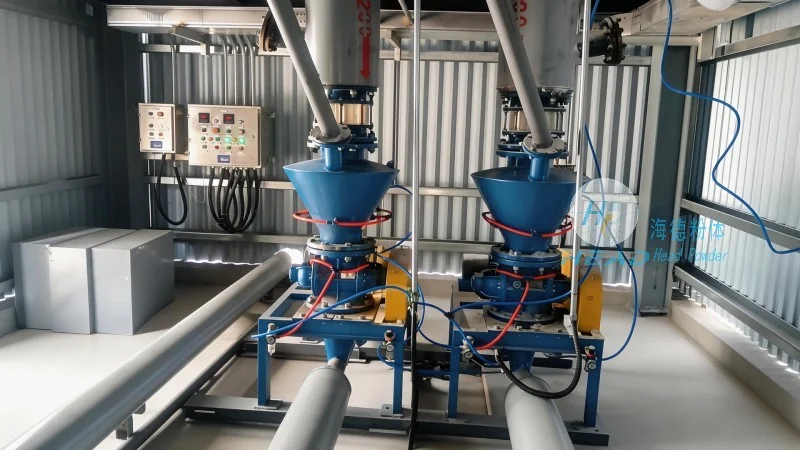
Overview of Resin Pellet Material Handling Systems
Resin pellet material handling systems are specialized equipment used to transport, store, and distribute resin pellets in industrial settings. These systems are crucial for maintaining production efficiency and ensuring consistent material quality. The systems typically consist of components like hoppers, conveyors, feeders, and control mechanisms, all working together to facilitate the movement of resin pellets from storage to processing equipment.
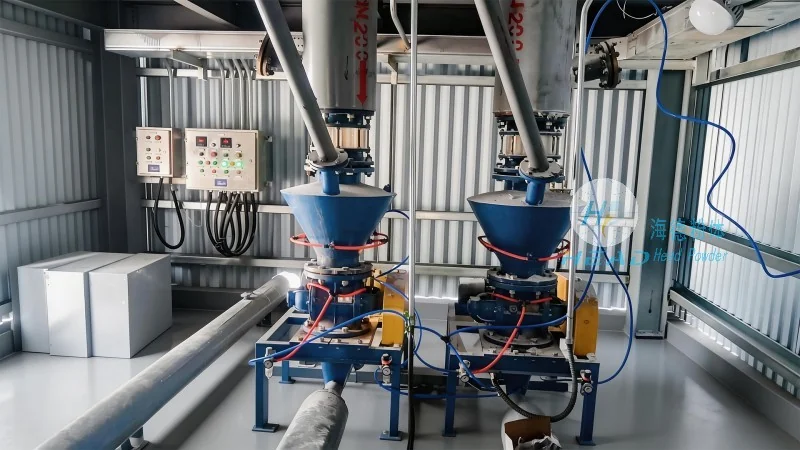
Working Principle of Resin Pellet Material Handling Systems
The working principle of resin pellet material handling systems involves several key steps. First, resin pellets are fed into the system, usually from a storage hopper. Then, a feeder or rotary valve controls the flow rate of the pellets into the conveyor system. The conveyor, which may be a belt conveyor, screw conveyor, or pneumatic conveyor, transports the pellets to the desired location. Control systems monitor and adjust the flow rate and speed to maintain optimal performance. This process ensures that resin pellets are moved safely and efficiently, minimizing downtime and material loss.
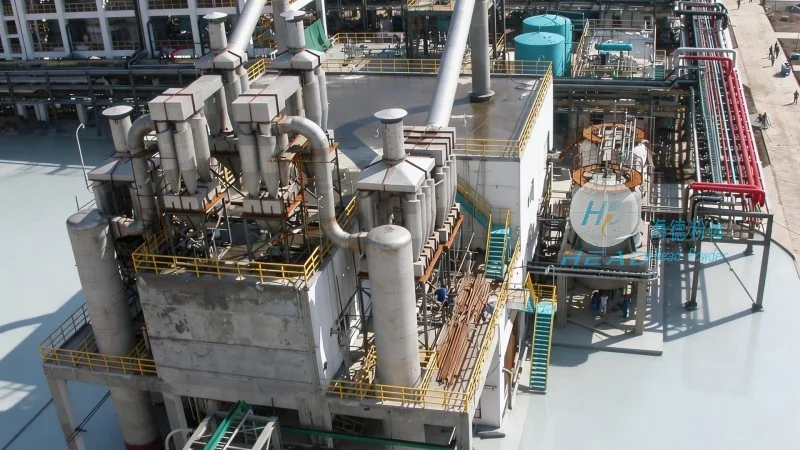
Key Features of Resin Pellet Material Handling Systems
Resin pellet material handling systems offer several advantages that make them ideal for industrial applications. One of the primary features is their ability to handle a wide range of resin types, including polyethylene, polypropylene, and other thermoplastics. The systems are designed to minimize material degradation, such as dust formation or pellet breakage, which is critical for maintaining product quality. Additionally, these systems often include features like automatic level control, which helps maintain consistent material levels in hoppers, and overload protection to prevent equipment damage. The modular design of many systems allows for easy integration with existing production lines and future expansion as needed.
Applications and Benefits in Industrial Production
Resin pellet material handling systems are widely used in various industries, including plastics manufacturing, chemical processing, and food processing. In plastics manufacturing, these systems are essential for feeding resin pellets into extruders, injection molding machines, and other processing equipment. The benefits of using these systems include improved production efficiency, reduced labor costs, and enhanced product quality. By ensuring a consistent and controlled flow of resin pellets, these systems help maintain stable processing conditions, leading to higher yields and better product consistency. Furthermore, the systems contribute to a safer working environment by reducing manual handling of resin pellets, which can be dusty or hazardous.
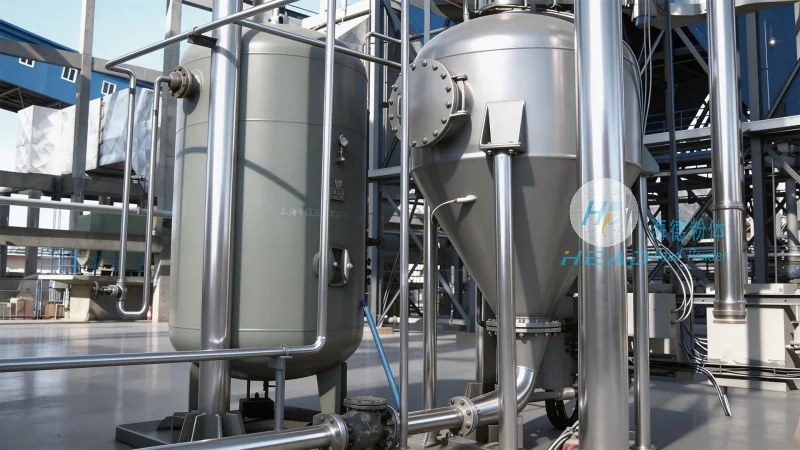
Company Introduction: Shandong HeadPowder Engineering Co., Ltd.
HeadPowder, or Shandong HeadPowder Engineering Co., Ltd., is a leading manufacturer of resin pellet material handling systems based in Shandong, China. The company specializes in designing and manufacturing high-quality material handling equipment tailored to the needs of the plastics and chemical industries. With years of experience in the field, HeadPowder has developed a reputation for producing reliable and efficient systems that meet international standards. The company's commitment to quality and customer satisfaction has made it a trusted partner for businesses seeking to optimize their material handling processes. HeadPowder's systems are known for their durability, low maintenance requirements, and advanced control features, making them a preferred choice for industrial applications.